What Is Bulk Human Hair Used For?
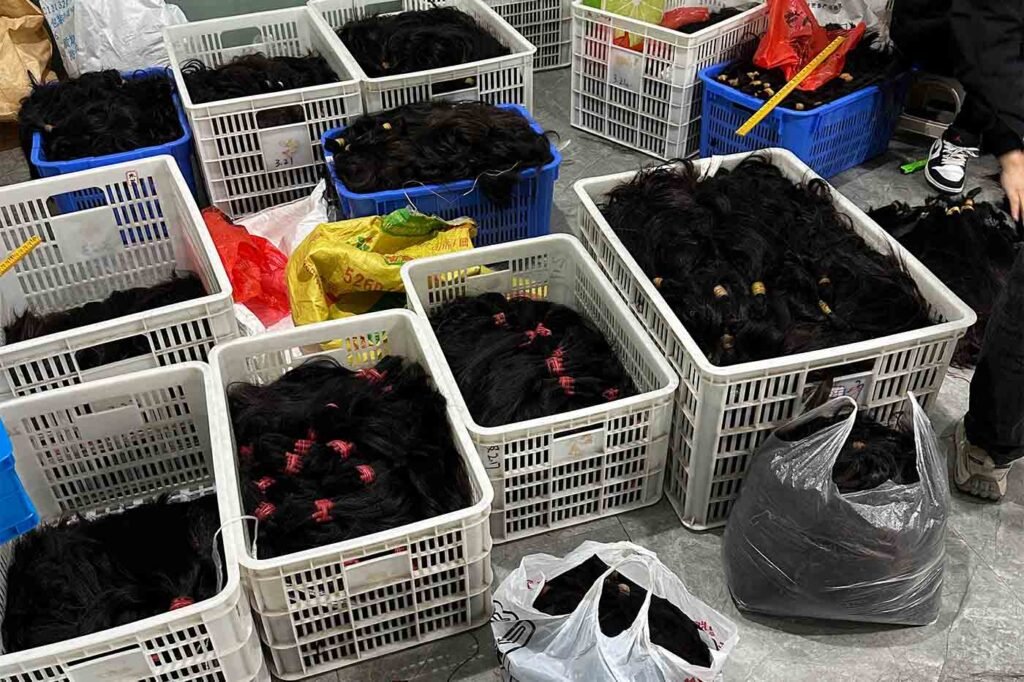
If you have come across the term bulk human hair while looking for hair extensions or wholesale hair, you may wonder why someone would buy loose hair instead of a finished extension. The simple answer is flexibility. Bulk human hair is loose hair that has not yet been constructed into a finished product such as a weft, tape-in, clip-in, or keratin extension. Because it remains loose, it can be used in several different ways depending on the buyer’s needs. Manufacturers, hair brands, salons, stylists, and wholesale buyers may purchase bulk hair as a material for creating or customizing other hair products. This is what makes it different from most ready-to-use extensions available to consumers. Instead of buying a finished product with a fixed construction, the buyer starts with the hair itself and has more control over how it will eventually be used. One of the most common applications is making bulk hair extensions. Loose human hair can be prepared and constructed into different extension formats, depending on the required design and application method. It can also be used for custom hairpieces, braiding hair, or other professional hair products. The exact application depends on the hair’s length, texture, condition, and how it has been processed. This is also why buyers should understand the difference between bulk hair and finished hair extensions before ordering. A customer looking for something that can be installed immediately may be better suited to tape-ins, clip-ins, K-Tips, or wefts. A brand or manufacturer developing its own extension products may prefer loose hair because it offers greater freedom during production. Raw bulk hair can be particularly relevant for buyers who want a less processed starting material, although the exact meaning of “raw” can vary between suppliers and should always be confirmed. The same principle applies to terms such as Remy, virgin, and cuticle aligned hair. The label alone does not tell you everything about how the hair can be used. The best way to choose bulk human hair is to start with the finished product or service you want to create, then work backward to the hair specifications needed to produce it.
Using Bulk Hair to Make Hair Extensions and Custom Products
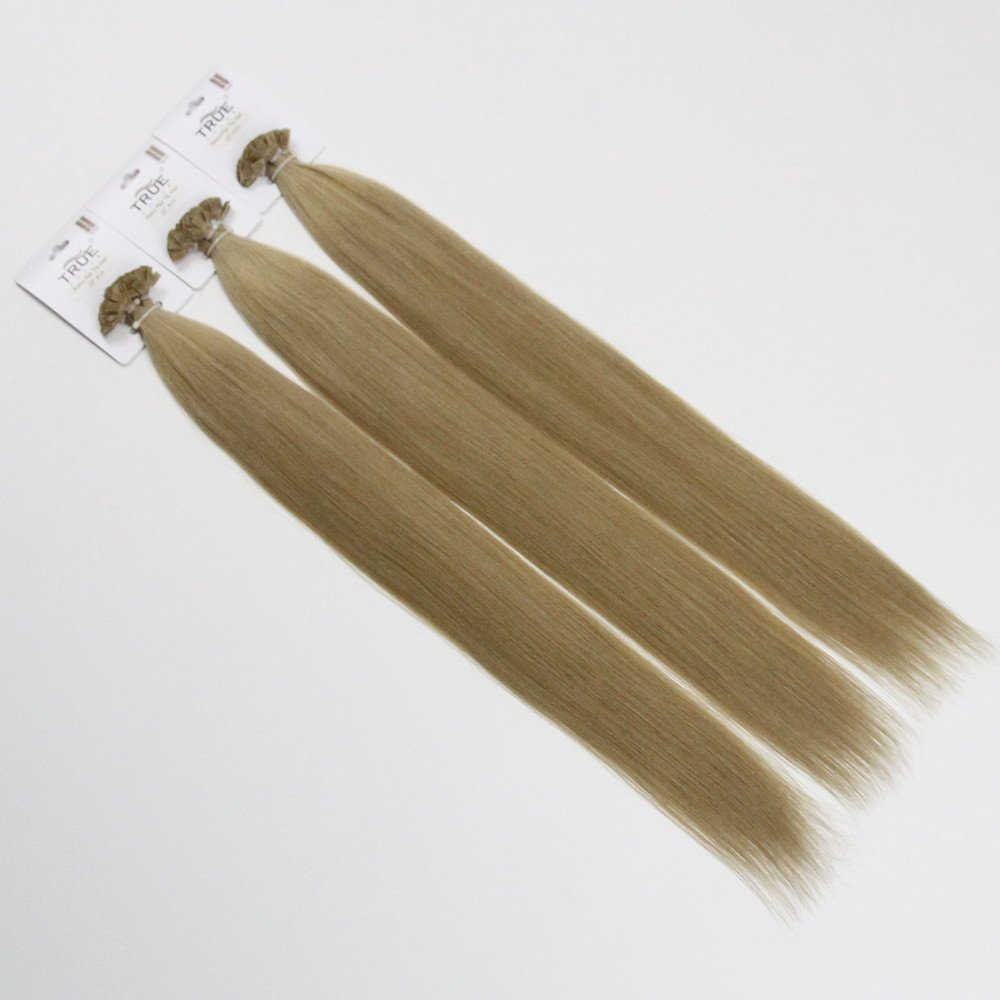
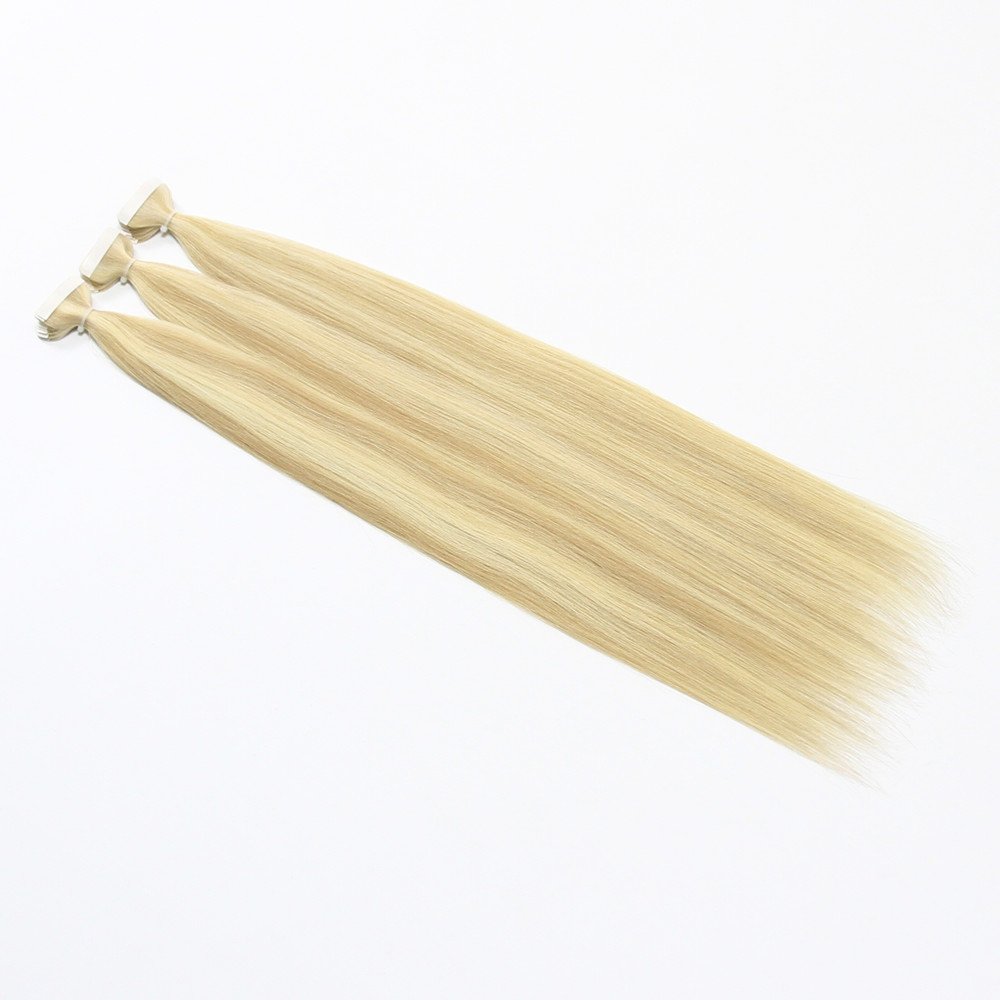
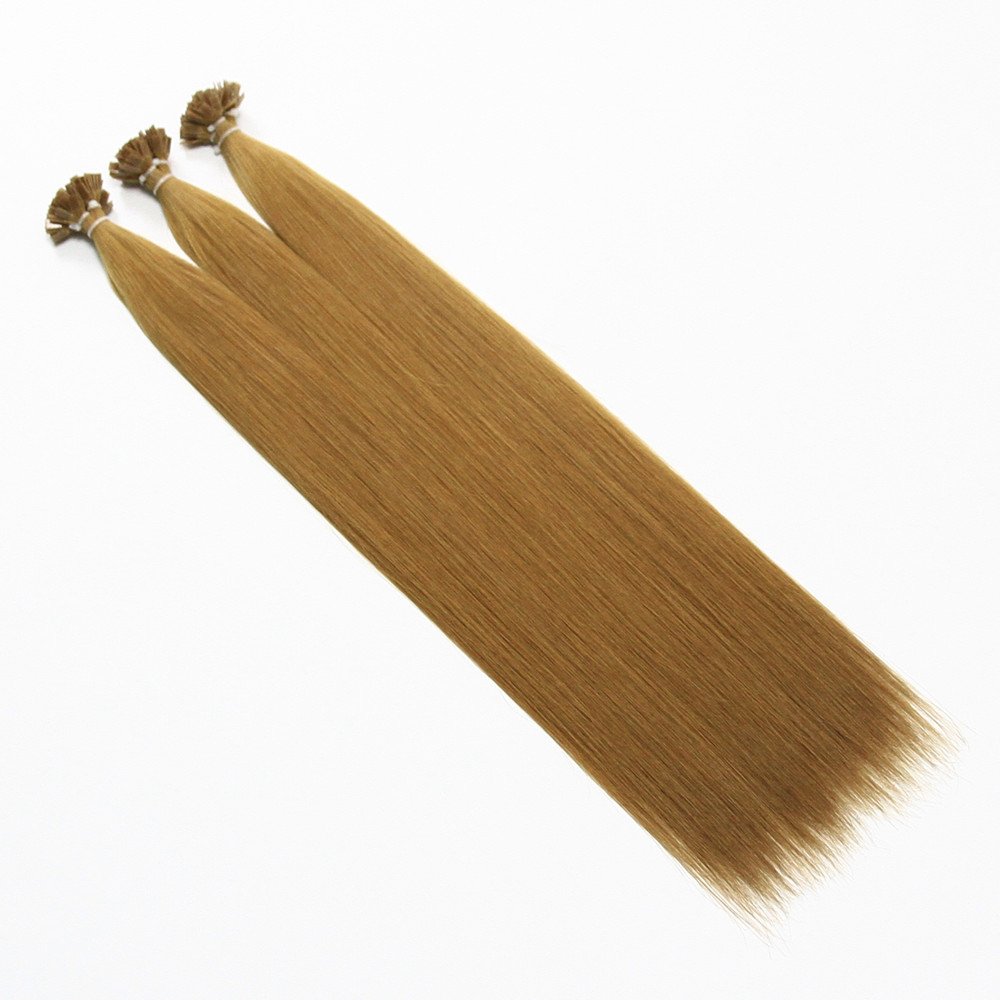
One of the biggest uses for bulk human hair is the production of finished hair extensions. A manufacturer can take loose hair and use it as the starting material for different extension constructions. Depending on the production method, the hair may be made into wefts, keratin-tip extensions, tape-in extensions, or other formats. This is particularly useful for companies that want to develop a product instead of simply purchasing a standard extension from a catalog. For example, a hair brand may want a particular length, texture, color, or weight for its collection. Buying bulk hair for extensions can give the manufacturer more control over those specifications. The same idea applies to private-label businesses. Rather than selling an off-the-shelf product under a new name, a brand can work with a manufacturer to develop products around its own requirements. This is where private label hair extensions and OEM production can become useful. The available options depend on the supplier, but they may include different lengths, colors, packaging, weights, and extension constructions. Bulk hair can also be useful when a business wants to create several products from a similar source of hair. Instead of maintaining completely different raw materials for every product, a manufacturer may be able to use suitable loose hair for multiple applications. This does not mean every type of bulk hair is appropriate for every extension method. The hair needs to be evaluated based on its characteristics and the requirements of the final product. For example, hair intended for chemical coloring may need to be selected differently from hair that will remain in a more natural state. The direction of the cuticles can also matter. Cuticle aligned hair is handled with the natural direction of the cuticles maintained, which can be important for the finished hair’s behavior and feel. For a new hair brand, this flexibility can be valuable during product development. A company might begin with a small trial order, test the hair and finished construction, collect customer feedback, and then move toward larger production. The important part is having a clear specification and working with a supplier that understands what the final product needs to achieve.
Bulk Human Hair for Salons, Stylists, and Custom Services
Bulk human hair is not limited to manufacturers and large hair brands. It can also have a place in professional salon work, especially when a stylist needs flexibility that a standard extension product does not provide. Bulk hair for salons may be used as a starting material for custom hair work, depending on the stylist’s skills, equipment, and the type of service being offered. A salon may work with a manufacturer or experienced extension professional to turn loose hair into a particular type of extension or hairpiece. This can be useful when a client has requirements that do not match the salon’s standard extension inventory. For example, the client may need a specific length, texture, or color. Loose hair gives the professional more freedom to work toward that result rather than being restricted to a pre-made extension. Bulk hair can also be relevant for braiding and other hair services where loose human hair is preferred over synthetic materials. The natural characteristics of human hair make it suitable for a variety of styling applications, although the exact suitability depends on the quality and processing history of the hair. If the hair has already been chemically treated, it may respond differently to additional coloring or bleaching than hair that has received little processing. This is why professional buyers should ask about the hair’s history before using it for a chemical service. For salons, another consideration is consistency. A stylist who finds a particular type of bulk hair that works well for clients may want to reorder the same specifications in the future. That makes the relationship with the bulk hair supplier important. The supplier should be able to communicate clearly about available lengths, textures, colors, processing, and order quantities. A sample order can be useful before committing to a larger purchase, especially for a salon that is introducing a new service. The stylist can examine the hair, work with it, and decide whether it fits the salon’s standards. Bulk hair is therefore best viewed as a flexible professional material rather than a universal replacement for finished extensions. For a salon that primarily provides quick extension installations, pre-made tape-ins or clip-ins may be more convenient. For a stylist offering custom work, however, loose human hair can provide additional possibilities that are difficult to achieve with standardized products.
Bulk Hair for Wholesale, Manufacturing, and Hair Brands
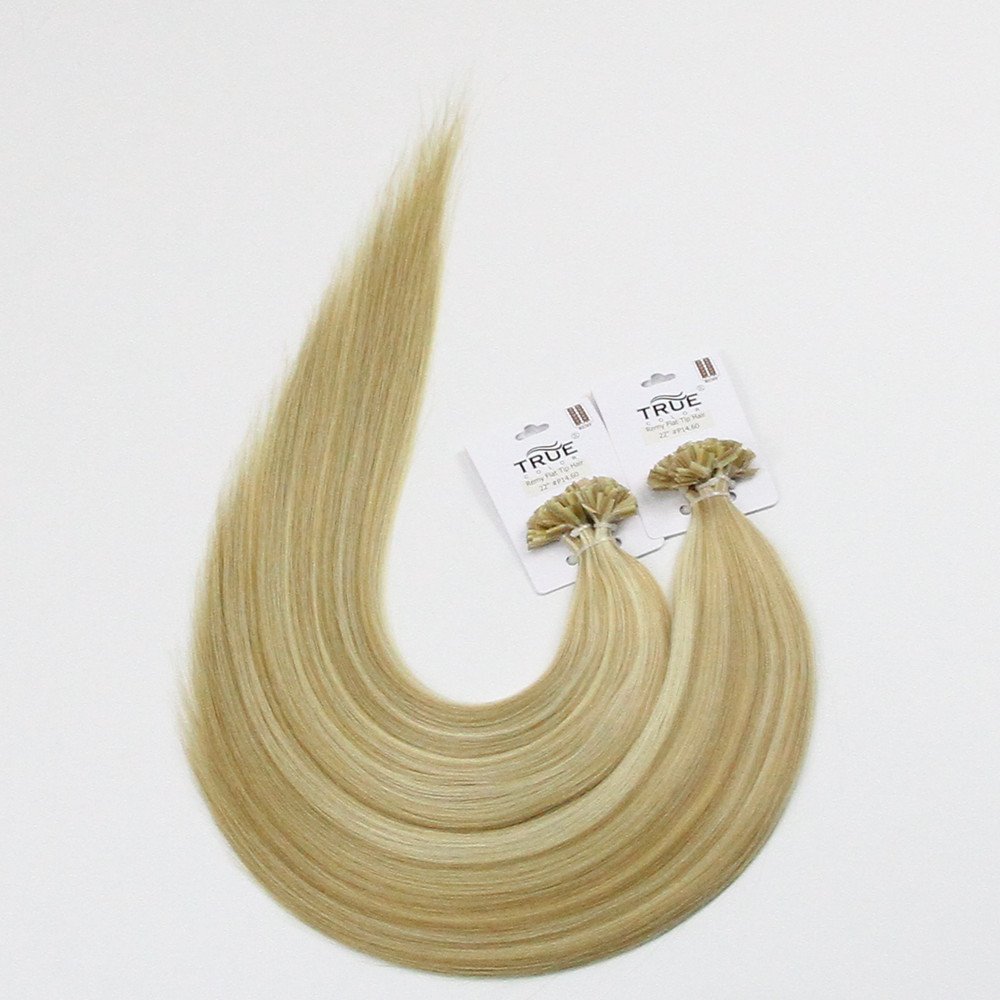
Another major use for bulk human hair is commercial production. Businesses that buy bulk hair wholesale are usually looking at the hair differently from an individual consumer. Instead of asking whether the hair can be installed immediately, they are more likely to ask whether it can be used consistently for production, whether the supplier can provide the required quantity, and whether the specifications can be maintained from one order to the next. This makes bulk hair an important material for hair extension manufacturers, distributors, salons with larger purchasing needs, and growing hair brands. A brand may purchase loose hair to create its own range of products, while a manufacturer may use it to produce extensions for several different customers. The flexibility of loose hair can also support different business models. A company might order a small quantity for product testing and later move to regular wholesale orders. Another business may need custom packaging or private-label production as it develops its brand. Buyers looking for Chinese bulk hair may also be interested in working directly with a supplier in China to discuss sourcing, production, quality control, and shipping. When doing so, it is important to evaluate the supplier rather than focusing only on the country of origin. Ask where the hair comes from, how it is collected and sorted, how it is processed, and what quality-control procedures are used. If the business requires a particular standard, those requirements should be agreed upon before production begins. This is especially important when the hair will be used for repeated production runs. A sample can tell you what one batch looks and feels like, but a reliable supplier should also be able to explain how it works to maintain product specifications over time. For brands, bulk hair can also make sense when they want to create a broader product range. The same business may offer tape-ins, wefts, K-Tips, or other extension types, and each finished product can require its own production process. Loose human hair gives the manufacturer a starting point for creating these products. It is not simply a cheaper alternative to finished extensions. Its real value is the control and flexibility it can provide during manufacturing. For a business that plans to grow, that flexibility can make bulk hair a practical part of a long-term sourcing strategy.
How to Choose Bulk Human Hair for Your Intended Use
The best bulk human hair depends on what you plan to do with it. There is no single specification that works perfectly for every application, so buyers should define the end use before comparing suppliers or prices. If you want to manufacture human hair extensions, start by deciding what type of extension you want to produce. Consider the desired length, texture, color, weight, and construction method. If the hair will be colored or bleached, ask about its previous processing because additional chemical treatment can affect the final result. If you need a natural starting material, ask the supplier exactly how they define raw or minimally processed hair rather than assuming every product described as “raw” is identical. If you are purchasing hair for a salon, think about the services you actually provide. A salon focused on ready-to-install extensions may have different requirements from a stylist who creates custom hairpieces or works with loose hair. For bulk hair wholesale, the purchasing process should also include questions about minimum order quantities, sample availability, packaging, production capacity, lead times, and reorder consistency. These details can have a bigger impact on your business than the initial price per kilogram. A reliable bulk hair supplier should be able to provide clear answers and product specifications before you place a larger order. It is also worth paying attention to terminology. “Human hair,” “Remy,” “virgin,” “raw,” and “cuticle aligned” are commonly used terms, but their practical meaning can differ between suppliers. Ask for specific information about the actual product instead of making a purchasing decision based on a label alone. If you are building a brand, you may also want to ask about OEM hair extension manufacturing, private labeling, custom packaging, and small-batch orders. These services can be useful when you are testing a new product before committing to larger quantities. Ultimately, bulk human hair is valuable because it gives professional buyers a starting point rather than a finished answer. It can be used to create extensions, custom products, salon services, braiding products, and commercial hair lines. The right choice comes down to the quality you need, the product you want to make, and the supplier’s ability to meet your specifications consistently. Starting with a clear purpose and a sample order is usually a much better approach than choosing hair based on price alone.