Sourcing Best Light Brown Lace Wig: A Practical Guide for Hair Businesses
The best light brown lace wig for a U.S. hair business is a human-hair unit in a documented level 6–8 shade, with tintable lace, 150–180% density, and a supplier that allows sample checks before reorders. In this guide, we’ll cover the shade, cap, quality, price, and order details that actually prevent returns.
What exact brown is your light brown lace wig?
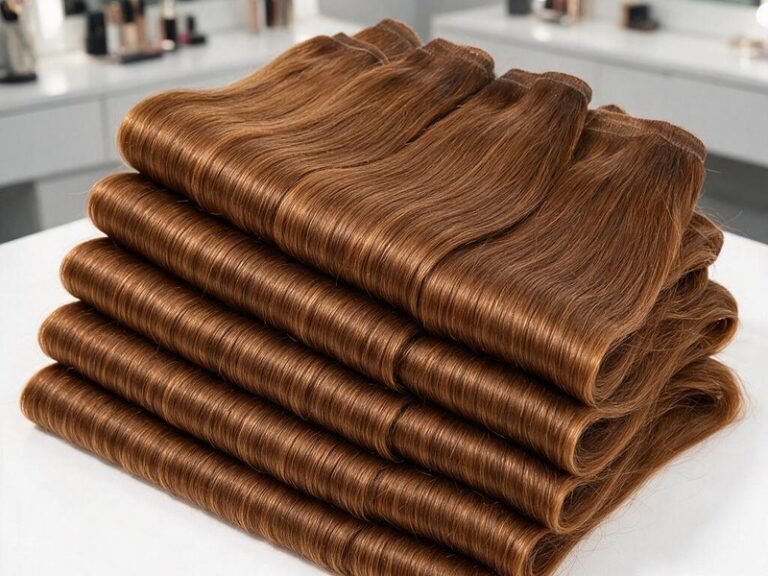
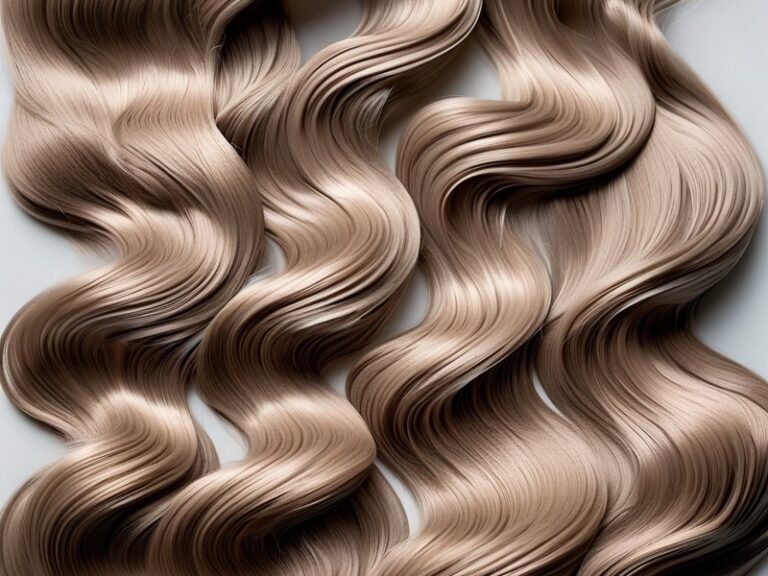
Don’t order by the name “light brown.” Hair vendors often call #4, #6, or #8 light brown, so confirm a color number and swatch. Check that swatch in daylight; salon bulbs can hide red or gold. If the brown was dyed from 613 blonde hair, a pale blonde base, ask about processing, because over-bleached hair dries and fades fast. Neutral or ash level 7 usually sells broadly; save honey and rooted shades for preorders.
Lace and cap details worth checking
A closure is a small lace part piece; a frontal runs ear to ear for more styling. Transparent lace suits many clients, while HD lace is a finer, thinner mesh but more fragile. Request lightly bleached knots, a pre-plucked hairline, adjustable straps, and an elastic band. Glueless caps secure with bands and combs, but stock some glue-ready units for event clients. If frontals are your focus, this frontal wig sourcing guide covers common cap mistakes.
How do you inspect a light brown lace wig before reordering?
Remy hair means cuticles face one direction to reduce tangling; virgin hair is unprocessed before coloring. Density is hair volume in the cap, shown as a percentage; 150% is natural and 180% is fuller. Ask for weight in grams, not just density; a 16-inch 150% unit often runs 180–220 grams. Check for short filler hair at the nape and secure weft hair tracks. Wash one sample and do a light shed test before placing a reorder.
What should your first purchase order include?
- We suggest ordering 2–5 samples in 14-, 16-, and 18-inch lengths first.
- Put color level, lace type, cap size, density, and texture on the PO.
- Expect stock in 7–15 days and custom builds in 25–40 days.
- Stock minimum order quantities (MOQs) may start at 5–10 pieces; private label often needs 30–50.
- Require natural-light photos and video before you pay the balance.
- Compare details in the shop all hair extensions catalog before committing.
Realistic wholesale pricing and tradeoffs
Wholesale price depends on length, lace, and color processing. Basic human-hair units often run $60–$120; cleaner cuticle-aligned HD units can cost $130–$280 in 12–20 inches. Cuticle-aligned hair has scales facing one direction, so it tangles less and styles better. We see quotes under $50 for long human hair, and they usually mean thin ends, filler fibers, or fast-fading dye. Check the supplier’s FAQ page, then confirm lead times and return rules by email.
Should I buy stock light brown or custom color?
Start with stock shades; they ship faster and carry lower MOQs. Reorder a custom level, root, or honey tone only after consistent requests. Custom color usually adds 1–3 weeks and a per-unit fee.
How do I reduce lace returns?
Use your own photos and list color level, cap size, density, and lace tint. Wash and style a sample on video so clients see the real part line. Offer tinting or plucking as paid customization rather than promising a universal match.
Order two samples, wash and style them, and test them on trusted clients before reordering. Ask every supplier for grams, natural-light videos, cap measurements, and lead times in writing.
Send Us Your Hair Inquiry
Need bulk pricing, samples, or a private-label quote? Fill in the form and our team will get back to you within one business day.