Seasonal Demand Patterns for Hair Extensions
If you’ve ever been stuck sitting on 30 bundles of 30-inch straight hair in mid-January or run out of 18-inch deep wave the week before prom, you already know seasonal demand patterns for hair extensions aren’t some generic marketing concept. We’ve watched these cycles play out for 11 years from our warehouse floor, talking to salon owners, braiders, and resellers every week who either nail their stock timing or lose thousands to rush shipping and missed sales. This isn’t polished trend report data—it’s the actual cadence we see order after order, so you can plan without the guesswork.
January to mid-March: The quiet lull (don’t sleep on it)
Right after New Year’s, our order volume drops 35-40% on average. You know that quiet stretch where your booking calendar is only half full? Everyone’s recovering from holiday spending, clients are coming off weeks of parties and family gatherings, and most people aren’t booking 3-hour extension installs in the dead of winter when they’re just bundled up in coats and hoodies.
New buyers make the same mistake every year here: they cut orders to zero, hunker down, and get caught completely flat-footed when Valentine’s Day and spring break roll around. Tape in hair moves surprisingly steady through these months, because clients want a quick, low-commitment refresh for date night or a warm-weather trip without a full day in the salon chair. This is also the window where lead times are shortest—usually 7-10 days, compared to 18-22 days at peak—so it’s the perfect time to test new textures, lock in bulk pricing, or plan out your content calendar for the year. We see a ton of resellers use this slow stretch to prep for selling hair on TikTok Shop, shooting sample videos and testing clip-in sets before the spring rush brings a flood of new shoppers.
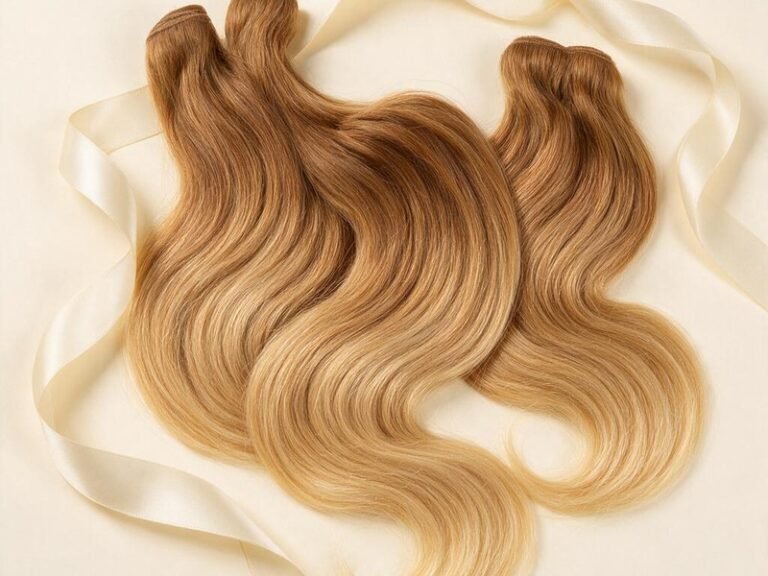
A quick note: don’t sleep on lighter blonde shades in late February. Braiders start placing small orders for warm blondes right before spring break, when clients book boho braids for beach trips and music festival pre-games.
Late March to May: Prom, graduation, and wedding guest chaos
This is when the floodgates open. Our order volume jumps 60% from that February low, and the most requested SKUs are 20-24 inch body wave and loose deep texture. Everyone wants soft, bouncy hair that holds a curl through outdoor photos, dance floors, and long graduation ceremonies.
Machine weft hair flies off the shelves in this window. Sew-ins are the go-to for clients who want a reliable install that lasts 6-8 weeks, no awkward slippage mid-event, without the 6+ hour application time of k-tips. Last year, we sold out of 22-inch honey blonde body wave wefts 12 days before the first big prom weekend in the Southeast, and we had dozens of buyers begging for split shipments because they had 15+ clients booked and zero stock to use.
The big mistake here? Overstocking super long 28-30 inch lengths. Those do sell, but they make up less than 15% of our total orders in this window. Most clients want that shoulder-blade to mid-back length that looks glamorous without weighing them down. Pastel pink and lavender tape-ins sell too, but only in very small batches—they’re a niche pick for festival season, not a core SKU, so ordering 100 bundles of pastel is a fast track to dead stock.
June to mid-August: Heat, humidity, and protective style season
Summer demand is a totally different animal. Humidity, pool chlorine, sweat, and constant time outside mean high-maintenance installs that melt, frizz, or slip fall way down the priority list for most clients.
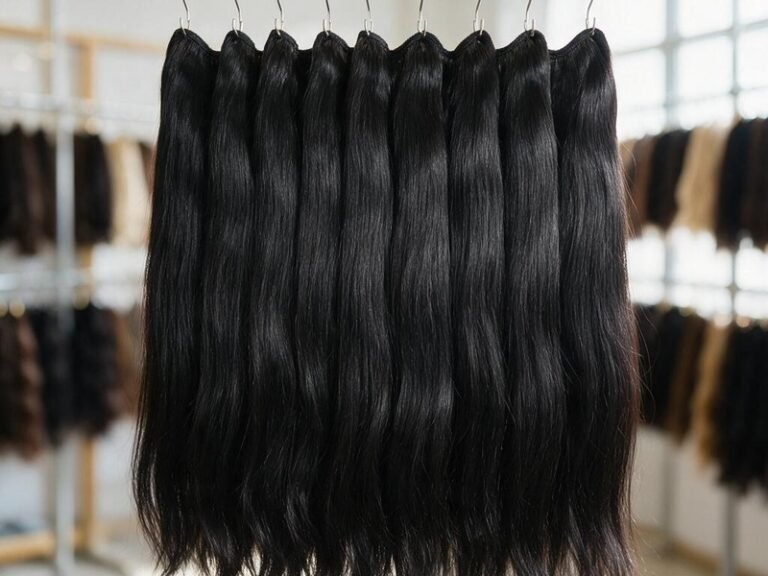
Bulk hair for braiding is king here. In July, bulk orders make up 45% of our total shipments—almost double what we see in February. Knotless braids, goddess locs, and boho crochet styles are everywhere, because they last 4-6 weeks, stand up to water and heat, and don’t require daily styling. Deep wave, kinky curly, and water wave textures move twice as fast as straight hair in these months, because the natural texture blends better with protective styles and doesn’t pouf up the second you step outside. Shorter lengths pick back up too—12-16 inch bobs are huge, because no one wants 30 inches of hair sticking to their neck in 95-degree heat.
Skip the ash blonde stock in summer. It oxidizes and turns brassy fast with sun and chlorine exposure, so it moves at a snail’s pace. Stick to warm honey blondes, natural black, and rich dark browns if you want to turn over inventory fast. If you wait until mid-July to place an order, expect lead times to stretch to 3 weeks, because factories are juggling back-to-school requests and last-minute vacation orders.
Late August to November: The seasonal demand pattern most buyers miss
This is the most slept-on sales window of the year, full stop. College students are back on campus, homecoming events fill up salon calendars, and people are ready to switch up their look after a summer of sun and salt water. K-tip sales climb steadily here, because clients want installs that last 3-4 months, getting them all the way through holiday party season without constant touch-ups. We always remind salon clients to share clear aftercare instructions to cut down on early fallouts, and our guide to making k-tips last longer is a simple resource to pass along right after an install.
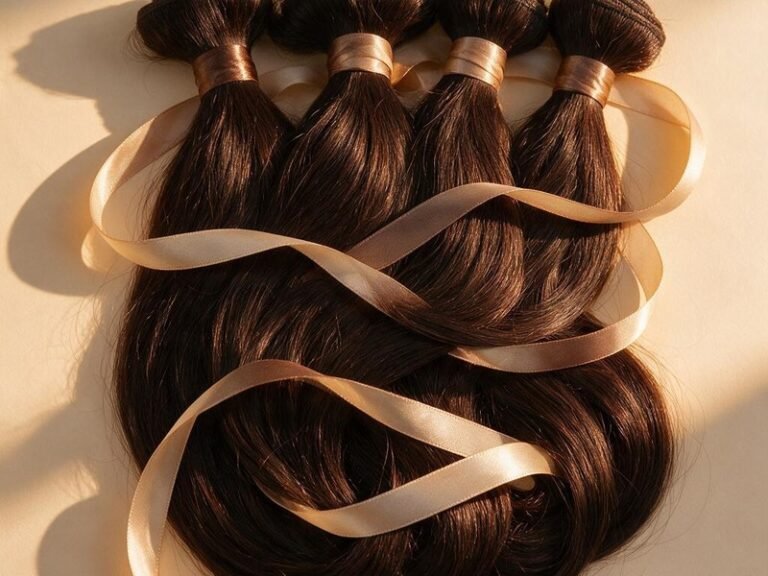
What sells in fall? Warm, rich tones: chestnut brown, auburn highlights, jet black. Lengths creep back up to 20-26 inches as the weather cools, because people don’t mind longer hair against turtlenecks and coats. The biggest mistake we see here is waiting until November to place holiday orders. Most factories in China shut down for 1-2 weeks in early October for a national holiday, so orders placed after mid-October can face delays that push delivery to early November—cutting it way too close for Black Friday sales and pre-holiday booking rushes.
Mid-November to New Year’s Eve: The year’s biggest rush
We do roughly 30% of our entire annual sales volume in this six-week window. No exaggeration. Everyone wants hair for holiday parties, family photos, work events, and New Year’s Eve trips, and they’re willing to pay a premium for it if you have stock on hand.
Every texture moves in this window, but 22-30 inch straight and body wave are the clear top sellers, because clients want that sleek, glamorous look that catches light in photos. Bright platinum and champagne blondes sell out fast, too—way faster than they do the rest of the year. We tell every buyer to lock in their core holiday SKUs by the end of October, no exceptions. The non-negotiables that almost never sit unsold:
- 18-26 inch natural black and dark brown in straight, body wave, and deep wave
- Tape-in refills for clients who need a quick touch-up before events
- Pre-bonded tips for clients booking long-lasting installs that carry into January
If you wait until the week before Thanksgiving to order, you’re looking at expedited air shipping costs that eat 25% of your profit margin, minimum. We’ve seen buyers scramble to source random stock from unvetted suppliers just to fill client orders, only to end up with mis-matched bundles that shed and tangle, costing them repeat business. Keep novelty items—glitter strands, neon clip-ins, ultra-curly costume textures—to 5% or less of your holiday order. They sell for NYE, sure, but they’re a tiny niche, and you don’t want to be stuck with half your stock being glitter hair in January.
Quick timing questions we get every year
How far out should I place orders for peak seasons?
For the spring prom rush and winter holiday rush, 4-6 weeks out is ideal. That gives you time to inspect every bundle, swap mis-matched pieces, and avoid rush fees that kill your margins. For slower seasons, 2 weeks of lead time is usually enough, especially for core SKUs we keep in regular stock. Never assume you can get a last-minute rush order the week before a big holiday weekend—we get hundreds of those requests, and we can only fulfill so many before our teams are maxed out.
When is the best time to test new products or textures?
January and February, no question. Lead times are shortest, our team has more bandwidth to walk you through custom options, and you have time to test new products on loyal clients or post sample content to see what resonates before the rush hits. Don’t test a brand new texture or premium length during prom or holiday season. If it flops, you’re stuck with hard-to-move inventory, and if it’s a surprise hit, you won’t have time to restock before the rush ends.
What’s the most costly overstock mistake you see?
Buying too much of the longest, most expensive lengths. New buyers see flashy social media clips of 30-inch installs and assume that’s the top seller, but across all our salon, braider, and reseller clients, 18-24 inch lengths make up 70% of annual sales. 28-30 inch is a premium SKU, not a core one, so unless you have regular clients asking for it by name, keep those quantities small. We’ve seen new buyers drop $2,000 on 30-inch straight right before summer, when everyone wants short bobs and braids, then sell it at cost 6 months later just to clear shelf space.
These patterns aren’t rigid rules, of course. Your client base might have its own quirks—maybe you serve a college town that goes crazy for festival braids every April, or you specialize in bridal k-tips that sell steady year round. But after more than a decade packing orders, taking panicked last-minute phone calls, and helping buyers fix stock mistakes, these are the baseline cycles you can plan around to avoid both empty shelves and boxes of dead stock collecting dust in your storage space. If you’re ready to map out your next order, our full line of extensions is available to browse 24/7, and our team is always happy to answer questions about current lead times or SKU recommendations for the upcoming season.
Send Us Your Hair Inquiry
Need bulk pricing, samples, or a private-label quote? Fill in the form and our team will get back to you within one business day.