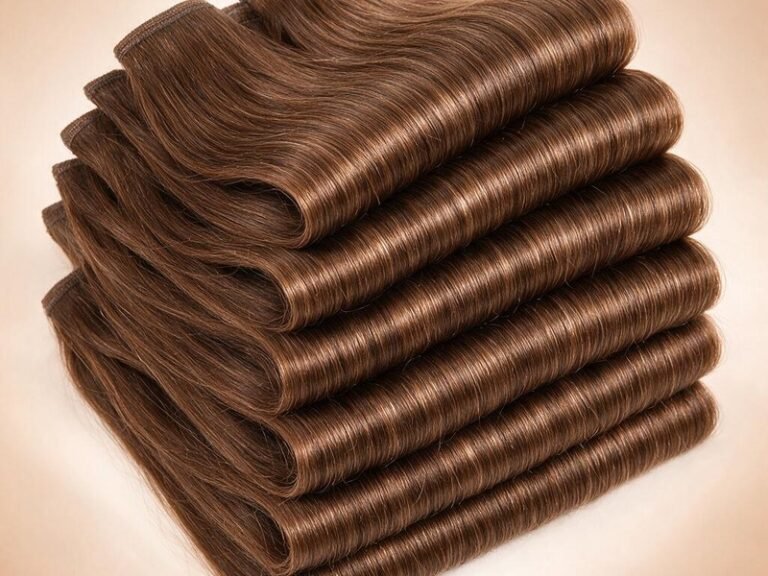
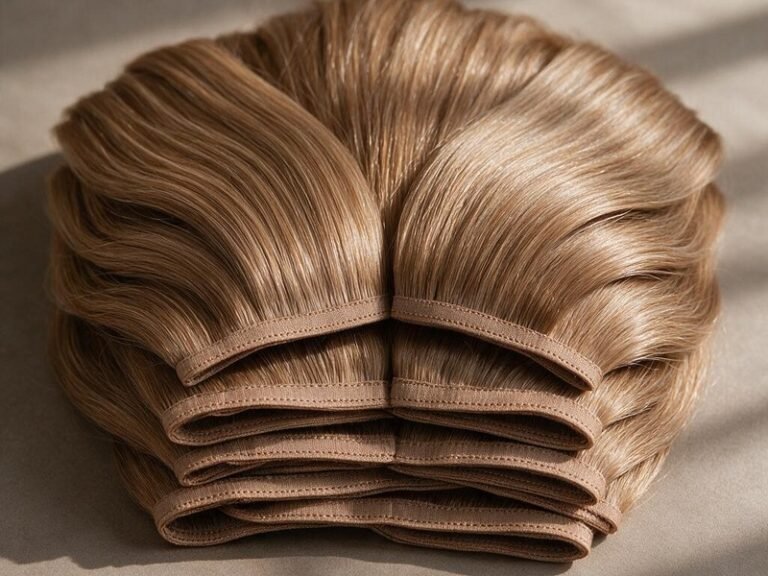
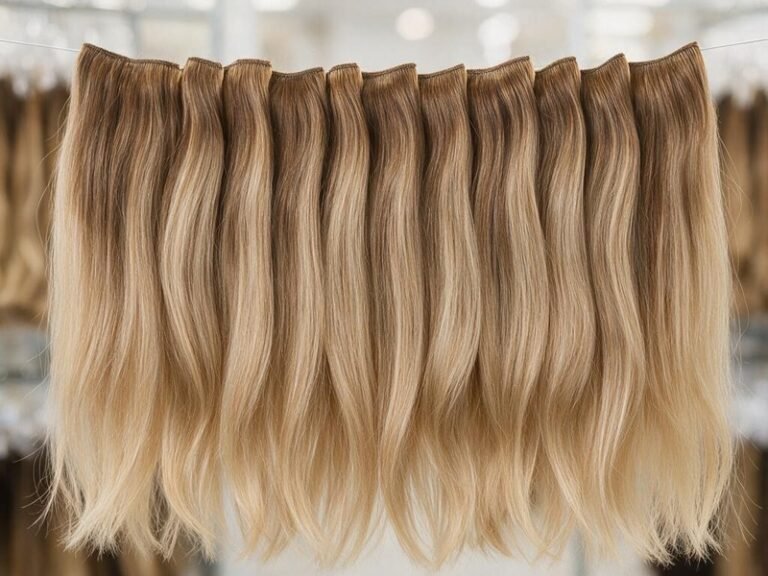
Bulk Hair Manufacturer: What to Look for Before Ordering
If you’ve ever placed a bulk order only to open the boxes and find half the bundles are 2 inches shorter than you paid for, or so coated in silicone that they mat after one wash, you know picking the wrong bulk hair manufacturer doesn’t just cost you money. It costs you repeat clients, bad reviews, and weeks of back-and-forth trying to fix a mess no refund can fully cover. We’ve seen this play out hundreds of times in our warehouse, with new buyers coming to us after burning through two or three suppliers who cut corners they didn’t know to check for.
Skip the surface-level sample bait first
A lot of buyers order one 18-inch sample bundle, run their fingers through it, love the soft feel, and drop $5k on a full order. Big mistake. We’ve had stylists tell us samples arrived perfectly double drawn, exactly 100g, and the bulk shipment that followed was single drawn with 30% short 8-10 inch hairs mixed into the 20-inch bundles, weighing 92g a pop because the factory skimped on fill to cut costs. Don’t just test the sample’s softness straight out of the package. Wash it three times with clarifying shampoo, blow dry it without any leave-in product, run a fine-tooth comb from root to tip, and measure the actual length when it’s pulled taut. A ton of factories coat low-grade, cuticle-stripped hair in slippery silicone that washes out in two shampoos, leaving you with dry, tangly mess your clients will be ready to rip out after a week of wear.
Pro tip: Ask the supplier to send you a random pull from their current production stock, not a prepped “sales sample” they keep on a shelf specifically to wow new leads. If you’re still sorting through red flags on supplier websites, we put together a full guide on vetting online bulk orders that walks through common photo and listing tricks designed to make hair look better than it is.
Get real about weight, length, and grade — no buzzwords
There is no universal grading system for human hair. None. A factory that calls their hair 12A might sell the exact same hair another factory labels 8A, because the grades are just made-up marketing terms to justify higher markups. What actually matters? Hard, measurable specs you can put in a purchase order. Weight per bundle: for bulk braiding hair, standard is 100g per bundle, but we’ve seen factories ship 85g bundles and label them 100g, which means you’re short 15% of the hair you paid for across a full order. Length: measure pulled straight, not curled or crimped. A 20-inch curly bundle pulled straight should hit 20 inches, not 16 inches with tight coils making up the missing 4 inches. Hair origin mix: a lot of “100% virgin remy” hair is actually 30-40% synthetic fiber or even animal hair mixed in, which melts when you apply flat iron heat or causes constant itching for braid clients.
When you’re browsing bulk hair for braiding, always ask for spec sheets that list exact gram weight, length tolerance (we hold ours to +/- 0.5 inches per bundle, which is tighter than most factories), and hair mix percentage, in writing, before you pay. A lot of new buyers chase the lowest per-kilo price, but if that price comes with 20% short hairs, inconsistent curl patterns, and underweight bundles, you’re not saving money — you’re paying to throw away a fifth of every shipment. When you’re first reaching out to a manufacturer, keep an eye out for these quick tells:
- Red flag: They refuse to send unedited, unfiltered photos or videos of current stock, only using heavily edited studio photos with bright filters that hide dry ends
- Green flag: They’ll hop on a quick 5-minute video call to show you their warehouse floor, pull bundles right off the shelf, and weigh them in front of you with no prep
- Red flag: Their prices are 30% lower than every other quote you get — there is no secret discount on high-quality hair, that price always comes with a corner cut somewhere
Lead times aren’t just a number on a price list
We get it, rush orders pop up. But if a manufacturer tells you they can turn around a 50kg custom color order in 3 days? Run. Real human hair processing takes time. For standard unprocessed bulk hair, lead times of 7-10 business days are normal. For custom colors or custom textures, expect 14-21 days, especially if you’re ordering during peak season: back to school in August, prom season in April and May, and the holiday gifting rush from October to December. A lot of smaller trading companies (not actual factories) will promise impossible lead times to lock in your deposit, then push your order back two or three weeks because they’re sourcing hair from three different random workshops to fill it.
What does that mean for you? You miss client install dates, earn bad reviews, and might end up with mismatched hair because it came from multiple production batches. Ask who will be your direct point of contact if there’s a delay, what their policy is for order adjustments if a shipment goes past the agreed date, and whether they hold safety stock of their most popular textures and lengths so you don’t get stuck waiting on last-minute production runs. If you’re newer to sourcing directly from Chinese suppliers, our breakdown of buying Chinese bulk hair wholesale walks through how to tell actual factories from trading companies that markup prices and have zero control over quality control.
How a good bulk hair manufacturer handles mistakes
No manufacturer gets every single order 100% perfect 100% of the time. We’ve had a batch of deep wave come out with a slightly looser curl pattern than the approved swatch, or a color run that was half a shade lighter than the client requested. The difference between a good long-term partner and a massive headache is what happens next. Do they ghost you once you’ve paid the full balance? Do they offer a 10% discount on your next order and expect you to sell defective hair to your clients? Or do they flag the issue before they ship, offer to remake the order at no cost, or apply a fair refund that actually covers the cost of the mistake?
Ask for references from other buyers in your market — not the curated testimonials on their homepage, real salon owners or vendors who order the same volumes you do. Also, ask for clear return and remake policies in writing, before you send a deposit. A lot of factories will have buried fine print that says all sales are final once the hair leaves the warehouse, even if they sent the wrong length or texture. You can find our standard quality guarantee and order policies laid out plainly on our FAQ page, no fine print to dig through. Also, pay attention to whether they can scale with you. A lot of small suppliers can handle 5kg test orders no problem, but can’t keep up when you need 50kg a month for your growing vendor list. A good manufacturer doesn’t lock you into one product type, either: they should carry the full range of SKUs you’ll need as you expand, like machine weft hair, tape-ins, and k-tips so you don’t have to juggle three different supplier contacts and three different quality standards to fill your shelves.
Quick answers to the questions we get every week
What’s a reasonable MOQ for a first order?
Most real manufacturers will have a first-order MOQ of 1-2kg per texture, which works out to 10-20 bundles — enough for you to test quality, show clients swatches, and place a larger reorder if it’s a fit. If a supplier requires 10kg minimum for your first order, they’re either catering only to huge national brands or trying to lock you into a big purchase before you can test their actual quality.
Should I pay via wire transfer or use a protected payment method?
For your first 2-3 orders, always use a payment method that offers buyer protection, like a credit card or formal trade assurance program. A lot of factories push for 100% wire transfer upfront, but that leaves you zero recourse if they send the wrong order or disappear. Once you trust a supplier, wire transfers for repeat orders are totally normal, and usually come with a small discount for lower processing fees.
How do I test for actual remy hair before ordering in bulk?
Remy hair means all cuticles are aligned in the same direction, which prevents matting and tangling even after months of wear. Test this on a sample by running your fingers up and down the bundle from root to tip: it should feel smooth going down the strand, slightly rough going up, just like your own natural hair. If it feels equally smooth both ways, it’s been chemically stripped of cuticles and coated in silicone, which breaks down quickly after a few washes.
At the end of the day, picking a bulk hair manufacturer isn’t about finding the cheapest price or fanciest website. It’s about finding a partner who will be straight with you about what they can deliver, own it when something goes wrong, and send you hair your clients will rave about month after month. You don’t need fancy industry connections to find a good fit — you just need to skip the marketing buzz, ask the specific, measurable questions we covered, and never place a bulk order based on a single pretty sample. If you’re ready to test stock or talk through a custom order, our team is always happy to send unedited photos, weight checks, and wash test samples before you commit, no pushy sales pitches required.
Send Us Your Hair Inquiry
Need bulk pricing, samples, or a private-label quote? Fill in the form and our team will get back to you within one business day.