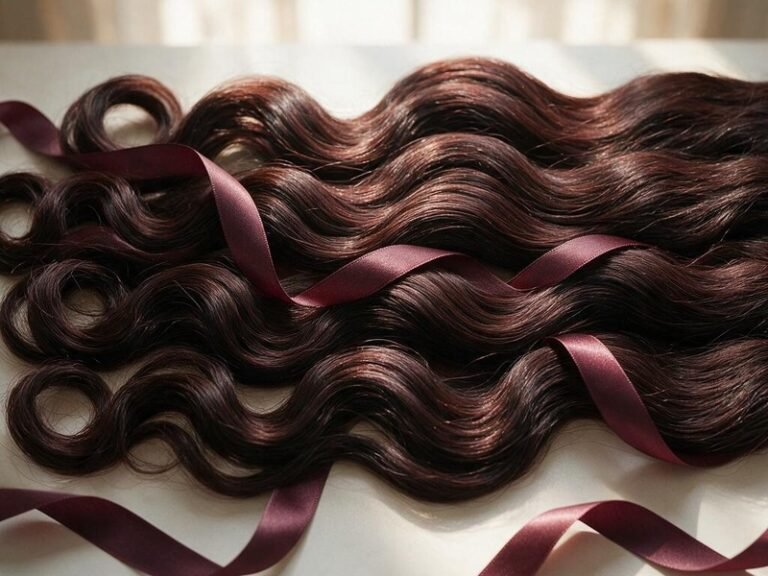
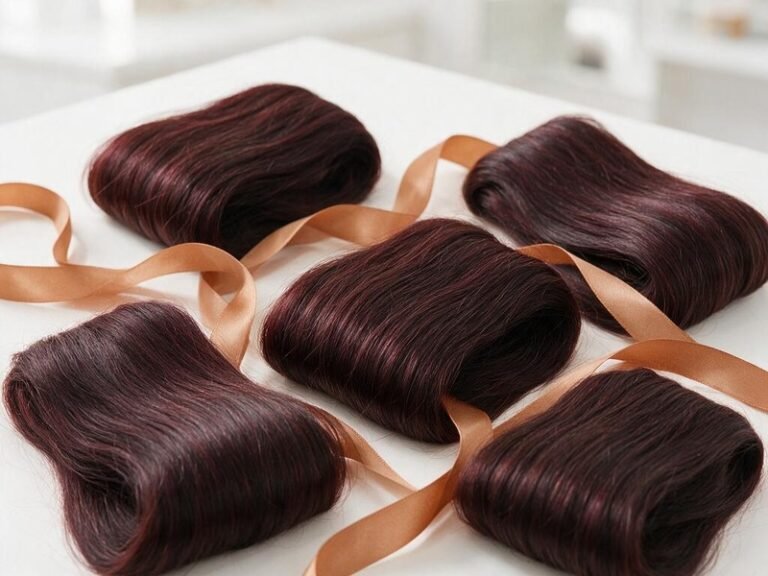
Tape-In vs Clip-In Hair Extensions: What’s the Difference?
If you’ve spent any time restocking extension shelves or fielding client questions, you’ve definitely had to weigh tape-in vs clip-in hair extensions for your customers. We’ve watched hundreds of salon owners and resellers over-order the wrong style, tie up cash in inventory that collects dust, or miss sales because they didn’t match the product to what their local client base actually wants. This isn’t a list of generic marketing bullet points—this is the stuff we see every day in the warehouse, from install fails to repeat order patterns that tell you exactly what works for who.
The basic build, no marketing fluff
Each piece is a thin, 1.5-inch wide weft, usually 3-5 grams, with a clear or skin-toned acrylic adhesive tab pressed to the top edge. Installs sandwich one tape tab between two thin slices of natural hair, no heat required for basic application (though some stylists use low heat to boost bond hold). They’re sold in packs of 20 or 40 pieces; most full-head installs need 40-60 pieces for fine hair, 80-100 for thick or coarse hair.
Clip-ins, by contrast, come in pre-packaged sets of 6-10 wefts of varying widths, from 1-inch filler pieces for the sides up to 6-inch wide wefts for the back of the head. Each weft has 1-4 silicone-lined metal clips sewn to the base, designed to snap open and shut onto small sections of hair without adhesive or long-term commitment. A standard 18-inch clip-in set weighs 120 grams; 24-inch sets usually hit 180 grams, enough to add fullness without excess scalp weight.
How tape-in vs clip-in hair extensions hold up to daily wear
Here’s where the two are night and day, and where most new buyers misjudge what their clients will actually pay for. A professional tape-in install takes 45 minutes to an hour, no braiding, no complicated beadwork. Once they’re in, clients can wear them straight for 6-8 weeks before they need to move the tabs up as their natural hair grows. They don’t shift during workouts, they hold up to regular washing, and clients can pull their hair up in ponytails without obvious lumps, as long as the install is done correctly.
We get a ton of questions about whether these are low-fuss enough for everyday wear, and we even break down sleep and care rules in our post about sleeping with tape-in extensions. The downside? Tape-ins require a professional install and removal—if a client tries to yank them out at home, they will take chunks of their natural hair with them, no exceptions. They also don’t play well with super oily scalps, because excess oil breaks down the adhesive faster, cutting wear time down to 3-4 weeks for some clients.
Clip-ins? Install takes 5-15 minutes total, and anyone can do it at home with a little practice. Clients take them out every night if they want, no salon visit required, no risk of traction alopecia from long-term wear. But they’re not made for multi-day, no-fuss wear. If you leave them in overnight, the clips will tug on your roots, they’ll shift if you sweat heavily, and they’re next to impossible to hide if you’re wearing your hair in a tight, high ponytail. They’re great for events, date nights, or temporary length, but they’re not a set-it-and-forget-it solution.
What each costs (you, and your client)
Let’s talk real numbers, not the inflated retail markup you see on influencer pages. For wholesale buyers, 100 grams of top-grade cuticle-intact tape-in hair extensions usually runs 20-30% more than the same weight and length of clip-ins, mostly because the adhesive tabs require extra quality control to make sure they don’t slip or peel early.
But for salon owners, the revenue adds up fast: you’re not just selling the hair, you’re charging for the install, the move-up appointments every 6 weeks, and the removal service. Most salons we work with make 60-70% of their extension revenue from repeat tape-in maintenance, not the initial hair sale.
Clip-ins have a lower upfront cost per set, and they’re a one-and-done sale for most clients. You won’t get repeat maintenance visits, but you can sell them to walk-in clients, last-minute event shoppers, or people who are too nervous to commit to semi-permanent extensions. The catch? Clip-ins have a shorter usable lifespan, too. Most clients get 3-6 months of regular wear out of a clip-in set, compared to 6-12 months of wear (with proper move-ups) from tape-ins, since clients are constantly clipping and unclipping the wefts, which frays the base faster.
Who actually buys each, anyway?
We see buyers make the same mistake over and over: they stock 70% clip-ins because they’re cheaper upfront, then realize their core client base is made of busy working moms who don’t have time to fiddle with clips every morning, or college students who want extensions that last through formals and spring break without constant adjustment. Let’s break down the core client groups for each, so you don’t tie up cash in dead stock:
- Tape-ins: Clients who want low-fuss daily wear, people with fine to medium hair wanting subtle length or volume, regular salon clients who come in for color or trims every 6 weeks, anyone who works out 3+ times a week and doesn’t want to re-do their hair daily.
- Clip-ins: First-time extension users nervous about semi-permanent installs, people attending weddings, proms, or one-off events, clients with tight curl patterns who want occasional length without altering their natural texture long-term, stylists needing versatile pieces for photoshoots or bridal work.
If you’re just starting to build out your extension stock, don’t sleep on how fast tape-ins turn into repeat business. We break down all the grade, weight, and curl pattern options for wholesale tape-in purchases in our separate guide, including MOQ numbers for first-time buyers. If you’re based in a college town or neighborhood with lots of event venues, clip-ins will fly off the shelves, especially in highlighted and bright fashion colors that clients don’t want to commit to dyeing their own hair. If you’re in a suburban area with lots of repeat salon regulars, tape-ins will be your steady, high-margin seller.
The mistakes we see most often from new stockers
We’ve been doing this long enough to spot common ordering missteps before a buyer even hits submit. The most common? Ordering all clip-ins in 24-inch lengths, because longer seems better, then realizing most clients asking for clip-ins want 14-18 inch pieces for subtle volume, not mermaid-length hair that tangles after one wear.
The second? Ordering tape-ins with cheap, thin adhesive that peels after two weeks just to save a dollar per pack. We get it, margins are tight, but that’s the fastest way to kill repeat business—clients will blame you, not the factory, when extensions slip out mid-workweek. We’ve also seen buyers wait until the last minute to restock, forgetting custom color tape-ins have a 7-10 day lead time, compared to 3-5 days for standard clip-in sets we keep in constant stock.
Third? Skipping matching tape-in remover and replacement tabs. It’s a small add-on, but 80% of stylist clients will add those to every order if you stock them, and it cuts down on panicked emails from clients who used olive oil to remove tabs and made a sticky mess.
Quick answers to the questions we get every week
Which is better for thin hair?
Honestly? Tape-ins, 9 times out of 10. The thin wefts lay flat against the scalp, so they don’t create the bulky lumps clip-ins cause on fine hair, especially around the temples. The only exception is thin-haired clients who only want extra volume for special events, where lightweight clip-in filler pieces work great.
Can clients reuse both types?
Tape-ins can be reused 2-3 times, as long as you replace adhesive tabs between installs and the hair stays in good shape. Clip-ins can be reused too, but only if clients are gentle clipping them in and out, and wash them regularly without scrubbing the sewn clip base. Once the weft base frays, clips pull loose, and the set is done.
Do I need special training to offer tape-ins?
You don’t need fancy certification, but it’s worth practicing on a mannequin or friend before charging clients. The biggest new stylist mistake is sandwiching too thick a section of natural hair between tabs, which makes bonds slip and creates visible gaps.
At the end of the day, there’s no universal “best” option. The right pick matches what your clients actually ask for, not what’s trending on social media that week. If you’re still not sure which mix of styles works for your customer base, you can browse our full extension line to see weight and length options for every style, from tape-ins to clip-ins to k-tips and wefts. If you have questions about MOQs, shipping times, or sample packs, our FAQ page covers most basics, and our team can help you put together an order that doesn’t leave you with boxes of unsold inventory in your back room. No fancy sales pitches, just hair that holds up, and advice from years of packing orders and fixing ordering missteps.
Send Us Your Hair Inquiry
Need bulk pricing, samples, or a private-label quote? Fill in the form and our team will get back to you within one business day.