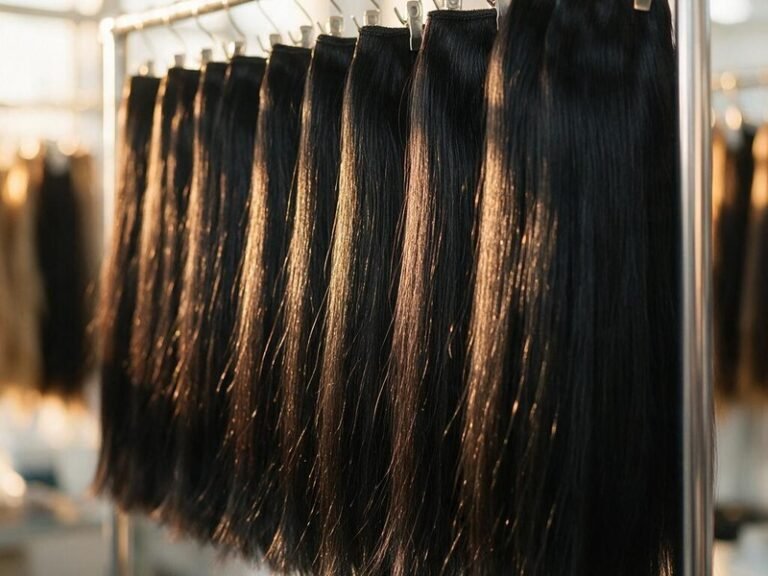
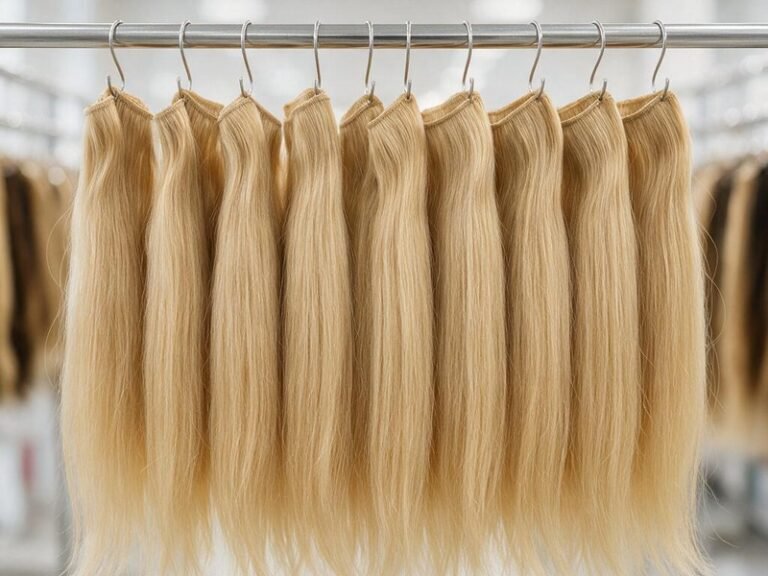
Human Hair for Wigs and Hair Systems: What Brands Should Order
If you’re sourcing human hair for wigs or custom hair systems for your clients, picking the wrong stock is the fastest way to sink return rates and tank your brand reputation. We’ve seen new brands blow 30% of their startup inventory on hair that tangles after two washes, sheds through wig caps, or doesn’t hold up to the chemical processing most custom units require. This isn’t the fluff you see on generic supplier landing pages—it’s what we actually tell brands when they walk through our warehouse doors or hop on a call to plan their first bulk order.
Skip the “premium” marketing fluff—match hair type to your end use
Here’s the first truth no sales rep will volunteer: You don’t need the priciest, 12A unprocessed virgin hair for every single unit you make. We see brands overspend by thousands of dollars on top-tier hair for short-wear fashion wigs or monthly glue-on systems that clients toss after 4-6 weeks. That’s wasted cash you could put toward marketing or better packaging.
For disposable, fast-fashion units meant for short-term use, you don’t need 100% cuticle-aligned hair. Acid-washed non-remy hair treated to reduce friction works perfectly, weighs in at the standard 100 grams per unit, and cuts material costs by 40% compared to premium virgin stock. The tradeoff? It won’t last six months of daily wear, and it will tangle faster if clients over-wash or sleep in it without a silk cap. For custom medical hair systems or luxury lace wigs clients expect to wear 6+ months, though, cuticle-intact remy hair with zero synthetic fillers is non-negotiable. Non-remy hair will mat at the nape after a month of daily wear, especially for clients with sensitive scalps who can’t use heavy styling products to smooth flyaways. If you’re still sorting out how hair origin impacts durability and processing flexibility, our deep dive on Chinese hair for hair brands breaks down the real differences between source pools, no marketing spin.
You don’t need every hair format on the market
New brands often fall into the trap of ordering every possible hair SKU “just in case,” then end up with boxes of unused stock gathering dust 18 months later. You only need two core formats for 95% of wig and hair system builds, and everything else is a niche add-on you can stock once you have consistent sales.
- Short-wear fashion wigs (1-3 month lifespan): Opt for acid-washed non-remy bulk or weft hair, with a standard MOQ of 1 kg per texture and 7-10 day lead time for stock shades. Expect minor shedding if clients over-wash, but the lower cost point works for fast-turnover styles.
- Mid-tier glueless wigs (3-6 month lifespan): Remy single-drawn bulk or weft hair, with aligned cuticles and minimal processing. This is the sweet spot for most salon brands, balancing cost and durability while holding curls and color well without excessive dryness.
- Luxury medical/long-wear hair systems (6+ month lifespan): Double-drawn virgin cuticle hair, with zero acid treatment and strands sorted to run the exact same direction. This is the priciest option, but it’s the only one that won’t mat against sensitive scalps through daily wear, showering, and sleeping.
Weft hair is the workhorse for machine-made wigs and quick wefted units. It comes pre-sewn, cuts production time by 60% compared to ventilating every strand by hand, and works for everything from budget bob wigs to high-end glueless units. For custom ventilated lace wigs, hair replacement systems, and men’s hair pieces, you want loose bulk hair—no weft, so you can pull individual strands to ventilate directly into caps without fighting pre-sewn tracks.
Skip the tape-in and k-tip hair for wig making, by the way. We see brands order these by accident all the time, lured by the “100% human hair” label, but the pre-tipped bonds and adhesive tabs just get in the way. You’ll spend hours cutting off the bonds before you can even start building a unit, and you’ll pay a premium for features you’ll never use.
Texture and length mistakes that eat into your margins
Last quarter, a new brand sent us a panicked email after receiving 5 kg of 30-inch straight bulk hair they’d ordered for men’s short pixie hair systems. Total waste? 70% of the hair was too long to use for 4-6 inch ventilated pieces, and they couldn’t return it because they’d requested custom color processing. That’s a $1,800 mistake they could have avoided with 10 minutes of pre-order planning.
For most men’s hair systems, you only need 6-10 inch lengths, sorted to be finer at the ends to mimic natural hair growth. For women’s lace wigs, 12-22 inch is the 80/20 sweet spot—80% of your sales will come from those lengths, so stock those first before you splurge on 28-32 inch lengths that only appeal to 10% of your customer base. Don’t overstock silky straight hair just because it’s cheaper, either. If your core audience wears 3c to 4c natural textures, you’ll end up discounting straight units at 50% off just to clear shelf space, like so many brands we’ve worked with. If you’re building out a line of boho braid wigs specifically, our guide to bulk human hair for boho braids covers the exact texture and weight specs you need to avoid that scratchy, fake-looking finish clients hate.
Processing compatibility matters more than initial feel
A lot of brands order hair based solely on how soft it feels when they run their fingers through a sample swatch, then find out it won’t hold the custom blonde shades, perm textures, or steam curls they need for their line. That soft, silky feel? It’s often a heavy silicone coating sprayed on at the factory to hide rough, damaged cuticles.
Heavily acid-treated non-remy hair will turn mushy if you try to lift it past a level 7. You’ll spend twice as much on color correction, and the hair will feel like straw after processing, even with hours of deep conditioning. If you plan to offer custom colored units, especially pastels or bright blondes, you need to order hair that hasn’t been coated to hide damage. We always tell brands to run a simple wash test when they get samples: Wash a small strand 3 times with clarifying shampoo. If it feels rough or tangles immediately after those washes, it’s been coated, and it won’t hold up to coloring. I’d suggest ordering 2-3 sample swatches of each grade you’re considering before you lock in a full order, so you can run that wash and color lift test without wasting big money. You can browse all available hair grades and textures in our full hair catalog, and filter by processing compatibility to narrow down options that work for your production needs.
Quick answers to the questions we get every week
What’s the minimum order size for wig-making hair?
For stock colors and textures, MOQ starts at 1 kg per texture, which is enough to make roughly 8-10 standard 12-inch wigs, depending on cap size and density. Custom colors or custom texture blends usually start at 3 kg per shade, with a 14-21 day lead time compared to 7-10 days for stock items. We don’t force new brands to order 10 kg per SKU like a lot of factories, because we know you need to test what sells before you commit to huge inventory buys.
Should I order single-drawn or double-drawn hair for wigs?
It depends on your price point. Single-drawn hair has a natural taper at the ends, which looks more like real, grown-out hair, and costs about 20% less. It’s ideal for mid-tier everyday wigs for clients who want a natural, not overly thick finish. Double-drawn hair is sorted to be the same length from root to tip, so it’s thicker and fuller, perfect for luxury high-density units, but it comes at a 25-30% price premium. Don’t pay for double-drawn if you’re making budget short-wear fashion wigs—your customers won’t notice the difference, and you’ll eat into your profits for no reason.
Can I mix hair grades in one unit to cut costs?
We don’t recommend it. Mixing non-remy and virgin hair in the same wig will cause uneven tangling and matting, because the cuticles run in different directions, and the hair will react differently to washing, heat, and color processing. It might save you a few dollars up front, but you’ll get more returns than the small savings are worth.
At the end of the day, the best hair for your wigs and systems isn’t the most expensive option on the market. It’s the option that matches how your clients actually wear their units, how you process the hair during production, and what price point your brand serves. If you’re ready to sort out your first order, or you have questions about a specific texture or grade for a new line, our team is happy to walk you through specs, help you calculate how much hair you need per unit, and help you avoid the costly ordering mistakes we see new brands make every month.
Send Us Your Hair Inquiry
Need bulk pricing, samples, or a private-label quote? Fill in the form and our team will get back to you within one business day.