Understanding Water Wave vs Deep Wave: What Buyers Should Know
Water wave vs deep wave comes down to curl size: water wave is a looser, softer S-curl, while deep wave is a tighter, fuller spiral. Both can be quality human hair, but they wear differently. Here’s what buyers miss.
What the curls look like in person
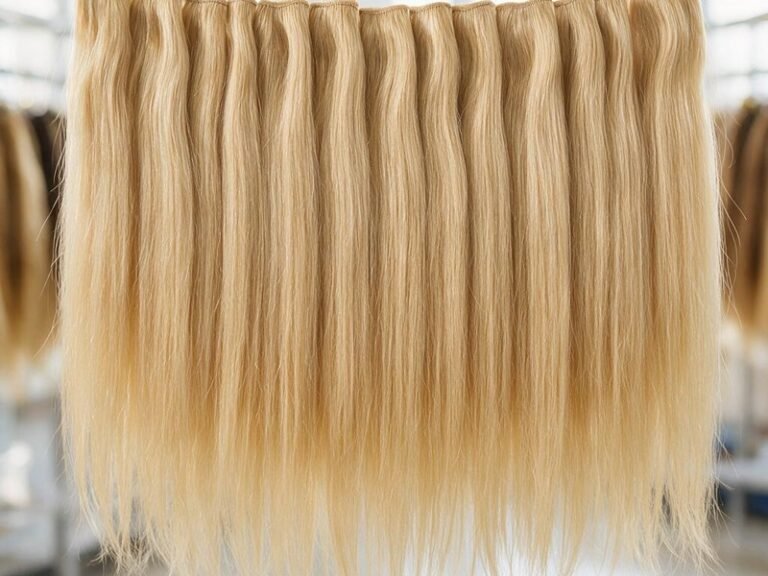
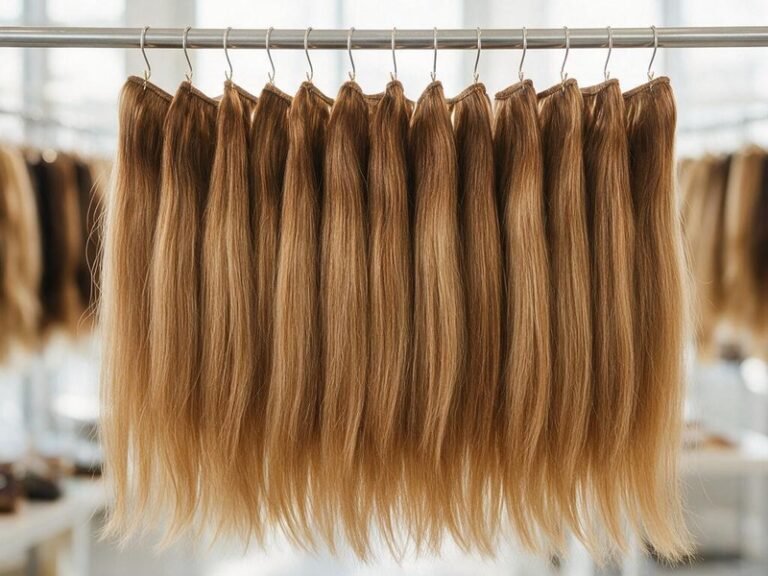
In our warehouse, water wave is a relaxed pencil-width S-curl with lots of movement. Deep wave is a tighter straw-width spiral, and its wefts feel denser because the curl pulls hair shorter. Both can be cuticle aligned hair, meaning cuticles face the same root-to-tip direction to reduce tangling. Virgin hair means hair that was not permed, dyed, or chemically processed before the texture was added. Ask for wet and dry videos; studio photos can fool you.
Which texture lasts longer?
Deep wave usually holds its pattern longer after co-washing, but it can tangle faster if cuticles aren’t aligned. Water wave loosens into a soft beachy curl, which some clients love and others mistake for hair going straight. Both need moisture, end-first detangling, and a silk cap at night. Water wave is more forgiving with everyday frizz. Deep wave gives more drama but needs smaller-section refreshing.
How many bundles do I need?
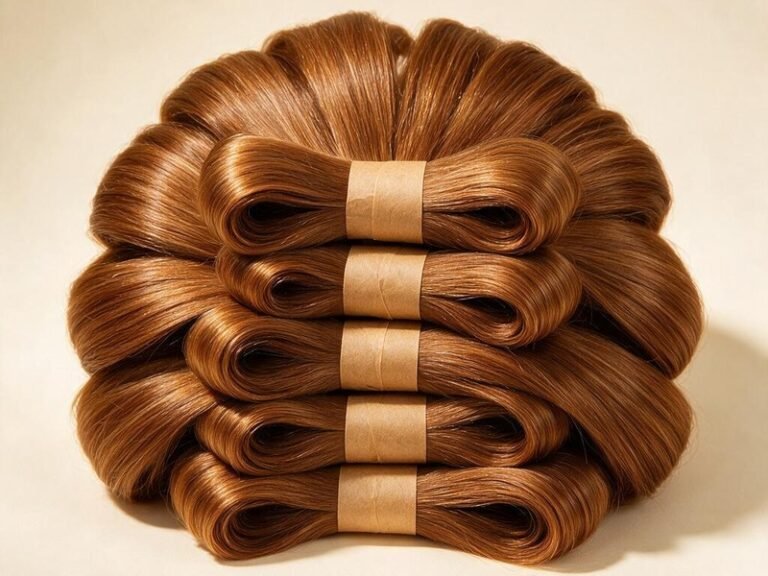
A full sew-in usually needs 3 to 4 bundles of 100-gram weft hair, hair stitched onto a continuous track. Three bundles work for 10 to 16 inches; use four from 18 to 24 inches because longer wefts thin out near the ends. A closure—a lace piece that closes crown leave-out—can keep you at three. A frontal, the ear-to-ear lace hairline piece, may use fewer tracks but takes more skill. Deep wave looks fuller at the same weight, so three may replace four water-wave bundles.
Price and MOQ tradeoffs buyers miss
The curl alone should not cause a big wholesale price gap at equal grade and length. Cheap deep wave is often over-processed hair sprayed curly, then it dries out or mattes after a few washes. Minimum order quantities, or MOQs, often start at 10 stock pieces; custom labels may need 50 to 100 pieces and 7 to 15 days. Ask whether the curl is steam-set or chemically treated and request a wet-detangling video. For regular restocks, a reliable hair supplier beats the cheapest quote.
Water wave vs deep wave: which should you stock?
For most US salons, test water wave in 14, 16, and 18 inches and deep wave in 16, 18, and 20 inches. If braiders drive sales, compare bulk hair for braiding; wefted bundles can’t feed into knotless or boho braids. If you’re launching a brand, this private-label deep wave guide covers length combos new brands often get wrong. Avoid heavy 10-inch deep wave stock just because unit cost is low. One or two lengths each gives real reorder data without tying up cash.
FAQ
Is water wave or deep wave better for a natural look?
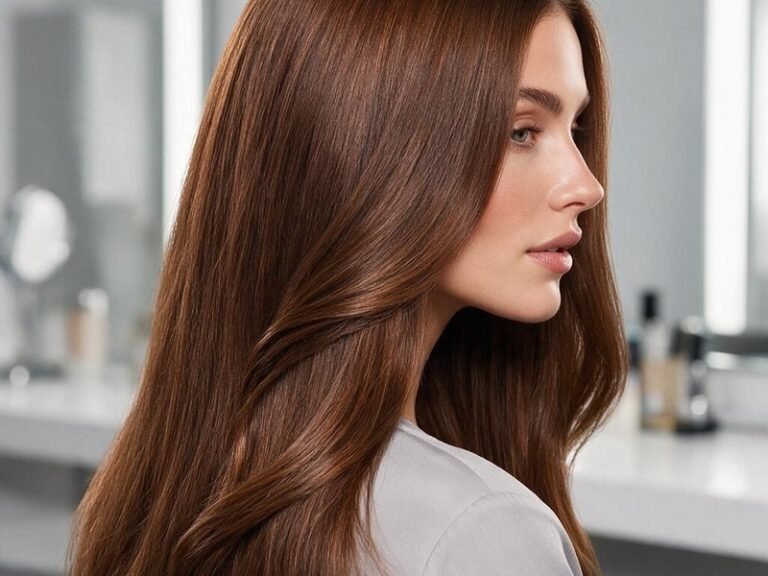
Water wave usually looks more natural because it resembles loose, air-dried hair. Deep wave looks fuller and more styled, so it fits clients wanting visible definition. The right call depends on their goals and maintenance routine.
Can customers straighten and re-curl these textures?
With virgin cuticle-aligned hair, both can usually be flat-ironed, but high heat can loosen the curl over time. Deep wave takes more moisture to blow out and may need a wet set to return. Suggest heat protectant and 300 to 350°F.
For sample specs, lead times, and shipping, read our hair extension FAQ before a test order. Then try one bundle of each texture, wash and style it, and let client feedback guide your reorder.
Send Us Your Hair Inquiry
Need bulk pricing, samples, or a private-label quote? Fill in the form and our team will get back to you within one business day.