How Do Tape-In Hair Extensions Work?
If you’ve ever stood in our warehouse watching us pack orders for salons across the US, you know tape-ins are one of our top-moving SKUs, year after year. But we still get 3-4 emails a week from new buyers, stylists, even seasoned braiders who aren’t totally clear on how tape-in hair extensions work, from how the bonds stick to how they come off without ruining a client’s natural hair. This isn’t glossy marketing copy—we’re breaking down what actually happens from factory to salon chair.
The basic build that makes them stick
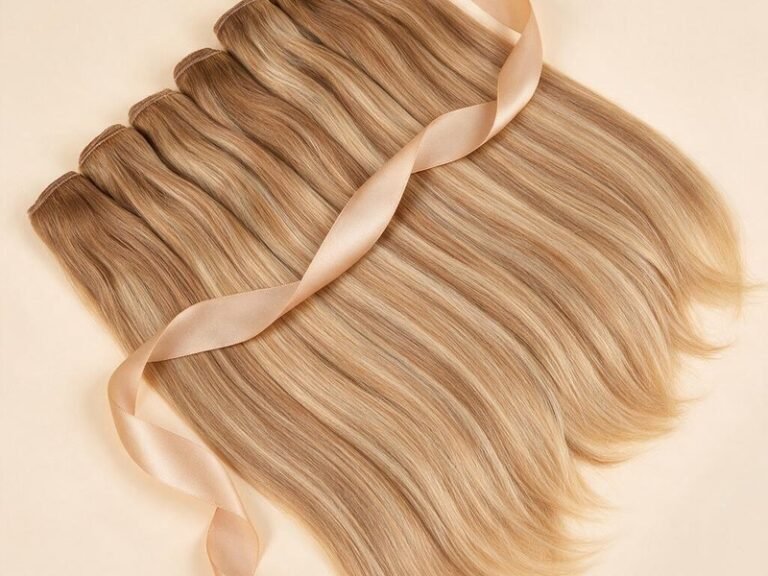
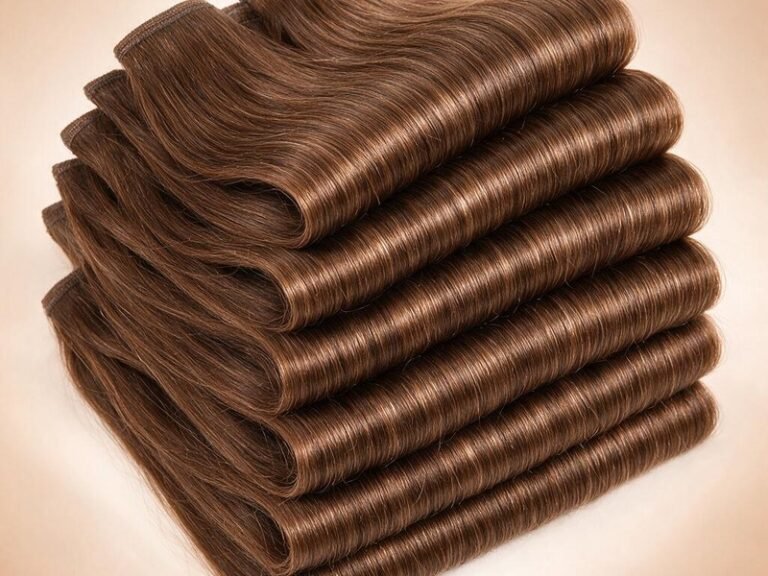
Forget the fancy ad copy—at their core, tape-ins are thin, pre-cut wefts of 100% human hair, bonded at the top to a 1.5-inch wide strip of medical-grade, pressure-sensitive acrylic tape. Each weft weighs roughly 2.5 grams, light enough not to tug on fine natural hair, but dense enough that you don’t need 100 pieces for a full head. Most full installs use 40 to 60 pieces total, depending on desired length or volume; a subtle crown boost for fine shoulder-length hair might only need 20 pieces. The tape sticks to hair, not skin, so it never causes the burns or irritation you get from cheap glue-in methods.
What actually happens during an install
You don’t need a fancy certification to do a solid tape-in install, but you do have to skip the shortcuts we see new stylists take constantly. First, the client’s hair must be 100% free of product, silicone, and oil—no leave-in conditioner, no dry shampoo, nothing. Even a light coating of argan oil near the roots will make the tape slip within a week, guaranteed. The stylist parts a thin, 1-inch section of natural hair, lays one tape tab sticky-side up a quarter inch from the scalp under that section, then presses a second tab sticky-side down on top, sandwiching the natural hair in between. No heat, no clamps, just firm finger pressure for 3 to 5 seconds to set the bond. Never place tabs too close to the hairline or stack them directly on each other, since that causes visible bulk and scalp tension. A solid install takes 45 minutes to an hour, start to finish.
How they hold up through 6-8 weeks of wear
Once set, the bonds are water-resistant, but they aren’t indestructible. Clients can wash their hair, work out, swim, even wear a high ponytail as long as they don’t yank directly on the bonds. The big rule? Never apply oil-based hair products directly to the root area, because those oils break down the acrylic adhesive the same way remover does.
Here are the hard rules to pass to every client:
- Wait 48 hours post-install before washing, swimming, or heavy sweating
- Gently brush hair twice a day, starting at the ends to avoid tugging bonds loose
- Use only sulfate-free, oil-free products from mid-shaft to ends, never on roots
- Sleep with hair in a loose braid or silk bonnet to prevent tangling around tabs
After 6 to 8 weeks, the sandwiched natural hair grows out about half an inch, so tabs shift downward and feel loose. That’s when you either remove them or move them back up closer to the root for another 6-8 weeks of wear. Leave them in longer than 8 weeks, and you risk matting around bonds, especially on clients with thick or curly hair. We’ve seen matted clump photos from clients who stretched installs to 12 weeks to save money, and that’s never the extension’s fault.
Common mix-ups that ruin an install before it starts
We see the same mistakes over and over from new stockists and stylists, and almost none involve the hair itself. First, buying tape-ins coated in silicone to make them feel soft out of the package. That silicone washes out after 2-3 shampoos, leaving dry, tangly hair clients will complain about, and it stops tape tabs from sticking properly during install. Second, using random beauty supply store replacement tape instead of manufacturer-matched tabs for move-ups. Those cheap tapes have a weaker bond that melts in high humidity. Third, applying tape-ins to hair shorter than 3 inches. You need enough natural hair length to hold the sandwich securely; too-short hair leads to slips or root breakage.
If you’re used to working with sewn-in options and weighing the switch, our breakdown of weft vs tape-in hair extensions walks through which client types fit each method, no fluff. For clients who want the most natural look, especially those with fine, light-colored hair, invisible tape-in hair extensions use a thinner, clear tape base that doesn’t show through even if a client parts their hair directly over a tab.
Removal is way simpler than you think
A lot of new stylists stress removal will be a messy, hair-pulling disaster, but it’s the easiest part of the process if you use the right product. All you need is oil-based tape remover, applied directly to the top and bottom of each tab. Let it sit 30 to 60 seconds to break down adhesive, then gently slide tabs apart, no pulling required. Once tabs are out, peel off old tape backing, apply fresh manufacturer tape to the weft, and reuse hair for 2 to 3 total install cycles, as long as cuticles stay intact. That’s a huge value perk for clients—they don’t need to buy all new hair every 2 months, cutting cost per wear dramatically.
Slow down, let the remover do the work. Yank tabs out before adhesive breaks down, and you’ll pull out healthy natural hair, guaranteeing that client won’t come back.
If you’re restocking for your salon or resale shop, we carry tape in hair in 40+ stock colors, from jet black to pale platinum, with aligned cuticles to cut down on tangling.
Quick answers to the questions we get every week
Can clients wash their hair the same day as an install?
Short answer, no. Tell them to wait 48 hours before getting hair wet, working out, or applying product. That gives adhesive time to fully cure, so bonds last the full 6-8 weeks. We’ve heard from stylists whose clients hit a spin class 2 hours post-install and lost half their tabs, totally avoidable.
How much hair do you need for a full install?
For most clients with average thickness, shoulder-length or longer natural hair, 40 pieces (100 grams total) works for a natural length and volume boost. If a client has super thick hair or wants 18+ inches of length, bump to 60 pieces (150 grams) so extensions blend without looking thin on the ends.
Are tape-ins bad for natural hair?
Applied and removed correctly, no—they’re one of the lowest-tension permanent extension methods out there. Problems only pop up if you apply them too tight, leave them in too long, or yank them out without remover.
If you have questions about MOQs, color matching, or custom order lead times, find quick answers on our FAQ page, or shoot our team an email directly.
We’ve shipped these extensions to salons and resellers across the US for over a decade, and they stay a top seller for one simple reason: they’re low-fuss for stylists, comfortable for clients, and hold up when you follow the basic rules. If you’re ready to test a sample pack or place a bulk order, reach out anytime—we’re happy to walk you through color matching or weight recommendations for your client base.
Send Us Your Hair Inquiry
Need bulk pricing, samples, or a private-label quote? Fill in the form and our team will get back to you within one business day.