Shopify Product Pages That Convert for Hair Extension Brands
We talk to 20+ new hair brand owners every month who’ve poured money into Shopify themes, TikTok ads, and influencer collabs, only to watch 97% of their site visitors bounce without adding a single bundle to cart. Most of the time, the problem isn’t their traffic or their hair quality—it’s that their product pages are built like generic apparel listings, not the high-trust, detail-heavy pages clients expect when they’re dropping $200+ on hair they plan to wear for 12+ months. I’ve spent the last seven years working directly with salon owners, braiders, and resellers to build Shopify product pages that convert for hair extension brands, and none of the fixes require a fancy developer or a huge ad budget.
Stop hiding the specs your clients actually care about
Clients don’t buy “soft virgin hair” — they buy hair that will match their texture, hold a curl through a rainy outdoor wedding, and not shed mid-twist at a client’s install appointment. I can’t tell you how many Shopify stores I’ve clicked through where you have to dig three pages deep to find the gram weight per bundle, curl pattern reference, or how many inches of weft comes in a pack. For context, most of our salon clients tell us they get 40% fewer pre-purchase DMs when they list gram weight front and center: 100g per bundle for straight, 95g for deep wave, 105g for kinky curly, no fine print.
Don’t just say “no tangling” — be honest. Mention that co-washing before install cuts tangling significantly, that lighter color lifts (think #22 blonde or pastel pink) will have slightly drier ends than natural #1B black, because that’s the reality of processed human hair. People don’t trust perfect claims. They trust transparency. They also want to know exactly what they’re getting when their order arrives: if you’re selling weft hair for sew-ins, note if it’s machine-tied or hand-tied, how thick the weft track is, and if it can be cut without sealing ends. That tiny detail saves stylists 10 minutes of prep per install, and makes them far more likely to order again.
Your photos don’t need a $10k studio shoot to work
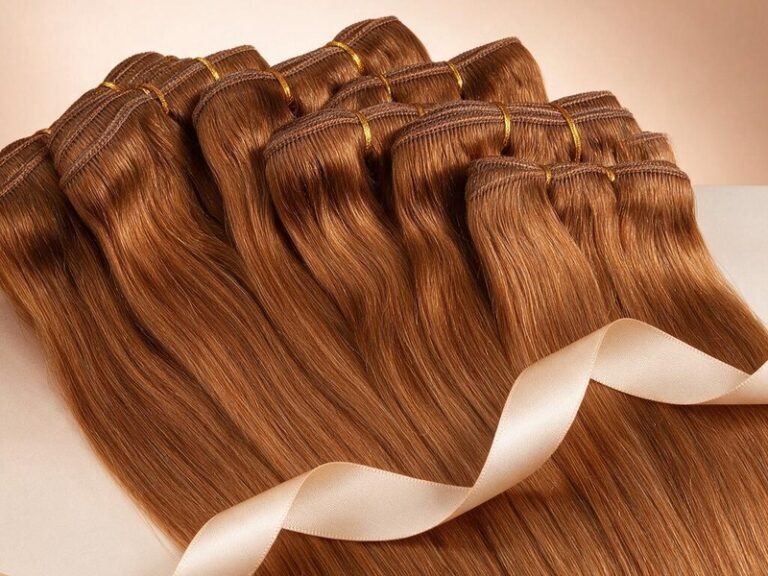
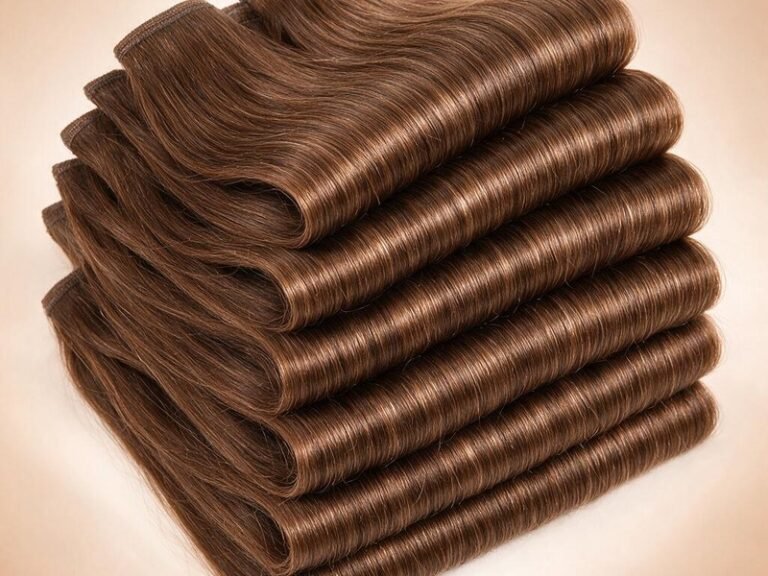
We’ve seen brands with blurry iPhone photos taken in a garage outconvert brands with glossy editorial shoots, because the garage photos show the hair in real natural light, on real people with matching skin tones, not filtered models with ring lights so bright the hair looks like shiny plastic. You need three types of shots minimum: a close-up of the weft or tape tab so people can see the stitching and hair density at the root, a length reference shot (hold the bundle next to a measuring tape, or show it on a model from shoulder to hip for 30 inch lengths), and a shot of the hair after one wash, air dried, no heat or product.
Skip the overly saturated filters that shift color or curl pattern entirely. If you sell textured hair, show it on someone who wears that texture daily, and ask regular clients for install photos in exchange for a free bundle — those shots convert better than any studio work.
Answer the unspoken questions before someone has to DM you
Most clients won’t take the time to DM you if they have a basic question. They’ll just click away and buy from the brand that answered it right on the product page. Think about the questions you get 10 times a day: Can this hair be bleached to 613? How many bundles do I need for a full sew-in with a closure? Will the tape tabs hold up if I work out 4 times a week? How long is shipping right now, during holiday rushes?
You don’t need a giant wall of text for these. Tuck them in a short, scannable block right below the add to cart button, and link to your full FAQ page for deeper questions about returns, color matching, and wholesale terms. And for the love of all that’s good, don’t promise zero shedding. Every single human hair product sheds a little, even the top-tier premium lines. If you set that expectation up front, you’ll cut way down on post-purchase frustration, and you can lean on our guide for handling shedding complaints if they do pop up.
The price mistake that makes people think your hair is cheap (or overpriced)
We see this all the time with new brands: they price 10 inch bundles at the same per-inch rate as 30 inch bundles, leaving hundreds on the table monthly or scaring off clients who only want hair for a short bob. Hair doesn’t cost the same per inch. Longer lengths need more raw material, more processing, and have higher defect rates, so price accordingly, no hidden fees.
Don’t hide price jumps behind a glitchy variant selector that doesn’t load on mobile. Show the price difference right in the length option: 12” – $85, 16” – $105, 20” – $135, 24” – $175, 30” – $245. If you offer wholesale pricing for braiders or salon owners that buy in bulk, don’t make them fill out a 10-field contact form just to see bulk rates. Have you ever abandoned a purchase because you had to jump through hoops just to see a price? Your clients do too. List the MOQ (usually 10 bundles for most of our partners) and the per-bundle discount right on the product page, with a quick link to browse all your bulk hair for braiding options if that’s a segment you serve.
The other pricing mistake? Running constant 50% off sales. If your hair is always half off, people will assume your regular price is inflated, and your hair quality is low enough that you have to discount it to move inventory. Run occasional, targeted sales for loyal clients, but don’t train your audience to wait for a coupon before they buy.
Small trust signals that move the needle more than paid reviews
Reviews are great, but everyone knows you can buy fake 5-star reviews for $5 a pop. Your clients are savvier than that. The trust signals that actually convert are the messy, unpolished ones: 68% of 120 US hair clients we polled last quarter said they’d rather buy from a brand that shows a 10-second clip of 3-month worn hair than a brand with 200 generic “great hair!” reviews.
Don’t hide your return policy, either. If you don’t accept returns on opened bundles (which makes total sense, for sanitary reasons), say that loud and clear, right above the add to cart button. Don’t bury it in 12 pages of fine print. If you do accept returns on unopened, sealed bundles, note the 30-day window and who pays for return shipping. No surprises = fewer chargebacks.
If you’re still building your brand and don’t have a ton of client photos yet, don’t stress. We walk new founders through these exact trust-building steps in our guide to launching a hair brand from home, and none of them require a huge audience or big upfront investment.
A few tiny, zero-cost tweaks we’ve seen lift conversion by 15-20% for our partner brands, no developer needed:
- Move the add to cart button above the fold on mobile, so people don’t scroll for 10 seconds to find it
- Label color swatches with actual names and photos, not generic hex codes that look different on every phone
- Add one line noting orders ship from your US warehouse (if they do) — long international wait times are a top checkout abandonment reason
- Cut fluff copy about “queen energy” or “luxury locks” that doesn’t share a concrete fact about the hair
Quick answers to the questions we get most often
How long should my product descriptions be?
Long enough to answer every common question, short enough that someone doesn’t scroll 3 minutes to find the add to cart button. There’s no magic word count. Cover core specs, care notes, and common objections, and skip generic fluff that doesn’t explain how the hair wears, washes, or installs.
Do I need video on every product page?
You don’t need a Hollywood edit, but a 15-second vertical clip of someone running fingers through dry hair, showing length, and giving a gentle tug to test weft strength lifts conversion more than fancy copy. Most brands shoot these clips on their phones while packing orders, no extra gear needed.
Should I offer bundle discounts directly on the product page?
Absolutely. Average order value for brands that show a 3-bundle + closure discount right below the add to cart button is 28% higher in our client data, because people don’t have to do the math themselves to figure out how much hair they need for a full install. You don’t need a fancy upsell app, either — just add a variant for the discounted bundle set, same as you would for individual lengths.
At the end of the day, your product pages don’t need to win design awards. They just need to treat your clients like smart people who want clear, honest information about a product they’re going to spend good money on. Skip the gimmicks, skip the over-the-top hype, and give people the exact details they’d ask for if they were sitting in front of you for a salon consultation. You might be surprised how fast those bounce rates drop, and those add to cart clicks start adding up.
Send Us Your Hair Inquiry
Need bulk pricing, samples, or a private-label quote? Fill in the form and our team will get back to you within one business day.