Selling Hair Extensions on Amazon FBA: A Brand Owner’s Guide
We talk to at least three new brand owners a week who are interested in selling hair extensions on Amazon FBA, and half of them have already lost money on bad inventory or account holds before they even get their first sale. Most generic FBA advice online doesn’t account for how specific hair extension inventory rules, return rates, and quality expectations are for this category. This isn’t a get-rich-quick play, but it works if you skip the hype and plan for the messy, unglamorous parts most gurus leave out.
The first mistake most people make selling hair extensions on Amazon FBA
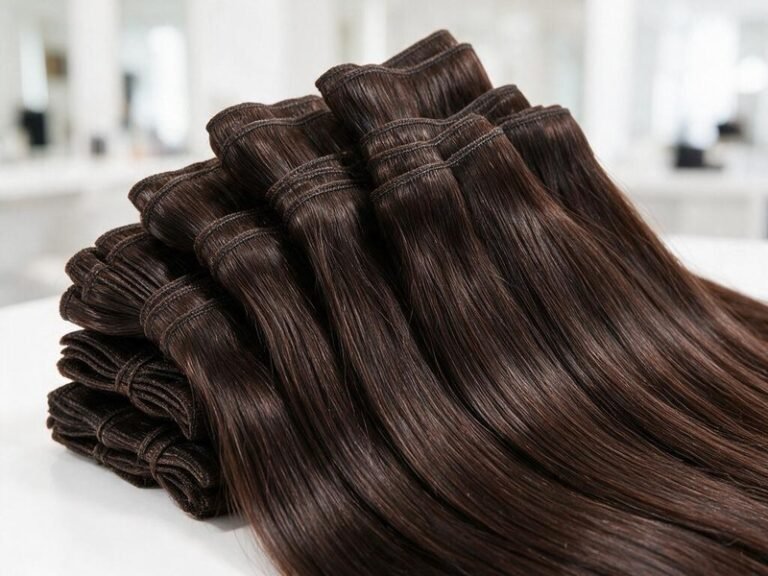
I get it, you’ve seen the TikTok clips of sellers pulling in $50k a month selling long, wavy bundles, so you place a big order for 28 and 30 inch loose wave in three different colors, ready to dominate search. Here’s the hard truth: those top-ranked long-length listings have 10,000+ reviews and price points you can’t touch as a new seller, and return rates for hair over 24 inches run 25% or higher, because customers routinely underestimate how long that length actually is, or expect triple the density for a rock-bottom price. We’ve seen new sellers sink $5k+ into those long SKUs, then sit on 70% of that inventory for 18 months or more, stuck because they can’t lower prices enough to compete without losing money on every sale. Stick to high-turn, mid-length SKUs first: 16, 18, 20 inch machine weft hair in natural black (#1B), dark brown (#2), and medium brown (#4), plus matching tape-in lengths, have the lowest return rates and most consistent search volume for brand new accounts. You don’t need 20 SKUs to launch. Six core SKUs are enough to test what resonates without tying up every dollar you have in dead stock.
FBA inventory rules that will get your hair stock thrown out (no refunds)
Amazon’s fulfillment centers don’t cut corners for beauty products, and hair is treated as a high-risk, high-shrink category, which means small missteps can lead to your entire shipment getting marked as unsellable and disposed of, zero compensation. First, packaging: every individual unit needs to be sealed in a poly bag with a clearly printed suffocation warning if the bag opening is wider than 5 inches. Flimsy retail bags tear when FC workers move bins around, leading to loose bundles getting mixed with other sellers’ inventory, or thrown out as damaged. Skip the fancy velvet pouches and embossed rigid boxes for your first few shipments, too. Those packages stand out as high-value to warehouse staff looking to pilfer items, and you’ll lose 10-15% of your stock to theft before it even hits a customer’s order. Next, labeling: every unit needs a scannable FNSKU sticker that doesn’t cover the product barcode, and your listed gram weight has to match what’s actually in the bag. We had a seller last quarter lose $2,200 worth of inventory because they labeled 92g bundles as 100g, and a random spot check led to the entire shipment being flagged as misrepresented. Finally, build buffer time into every shipment. Customs can hold hair shipments for 7-10 days if you don’t have clear fiber content documentation, and Amazon check-in can take another 10-14 days during Prime Day or Q4 peaks. If you plan to launch on a specific date, send your inventory 3 full weeks early to avoid running out of stock before your listing even goes live.
Quality tradeoffs that actually move the needle (and the ones that waste money)
You can spend a fortune on premium hair upgrades that don’t move the needle on reviews or sales, and a lot of new sellers waste their startup budget on the wrong things. After talking to hundreds of FBA sellers about what moves their review scores and what doesn’t, these are the tradeoffs that actually matter:
- Skip the overpriced 12A “super double drawn” hair that costs 30% more if you’re selling in the $40-$80 per bundle tier. Most customers can’t tell the difference between that and well-sourced 9A remy, and return rates are nearly identical for that price point.
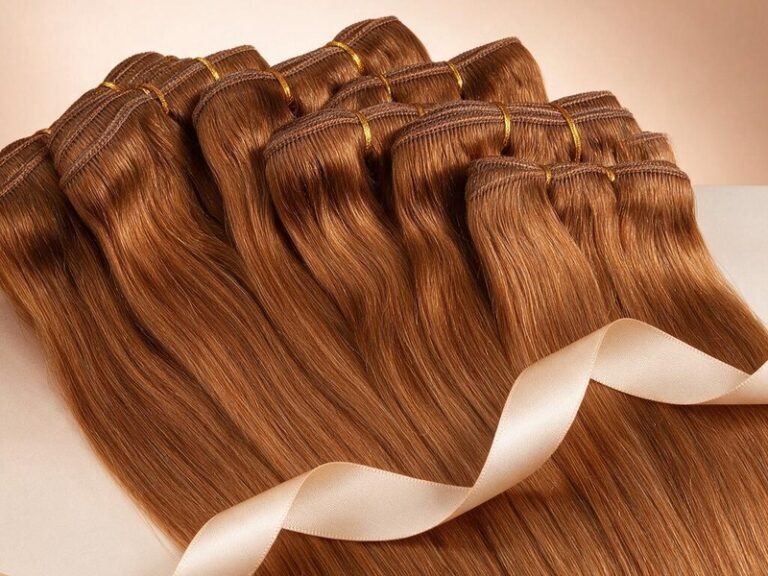
- Don’t skimp on weft construction. Loose, poorly stitched wefts that shed 20+ hairs per brush are the #1 cause of 1-star reviews, even if the hair itself feels silky soft out of the bag. That’s the one upgrade worth paying the extra $2 per bundle for, no question.
- Hold off on custom colored SKUs for your first 3 months. The three natural brown/black shades make up roughly 75% of hair extension searches on Amazon, per data from a seller we work with who does seven figures a year on the platform. Custom blondes and fashion colors sit in storage, and you can’t return them if they don’t sell.
Once you have 3 months of consistent sales on your core SKUs, you can start testing small runs of custom colors or branded packaging, which we break down step by step in our guide to custom branded hair extensions. Before that, skip the fancy hang tags and embossed boxes. Put that budget toward your listing photos instead. Bad photos kill conversion faster than a string of bad reviews, and you don’t need a $2,000 studio setup to get shots that convert; we put together a no-fluff guide to photographing hair extensions that works for Amazon listings specifically, no fancy gear required.
Pricing and returns: the numbers no guru will tell you
I’ve seen too many new sellers price their hair based on what they see on the Amazon search page, without doing the math on fees, and end up losing $10+ on every sale. Let’s run the real numbers. Amazon charges a 15% referral fee on every beauty category sale, plus FBA fulfillment fees that run $3.50 to $6 per unit, depending on weight and package size. That means if you sell a 100g bundle for $50, you’re already out $7.50 in referral fees plus roughly $4.50 in fulfillment fees, leaving you $38 before you account for cost of goods, shipping to the FC, and returns. Return rates for hair on Amazon average 12-18%, by the way. That’s way higher than most other beauty categories, because many customers order 2-3 lengths, hold them up to check color match, and send back the ones that don’t work. You can never resell returned hair as new, per Amazon’s hygiene rules for hair products, so every return is a total loss on that unit. Build that 15% average loss into your pricing from day one, or you’ll be shocked how fast your margins disappear. Don’t waste time trying to price match the $25 bundle listings, either. Those sellers are either peddling a synthetic and human hair mix that gets flooded with 1-star reviews after a month, or they’re losing money on every sale to juice their review count early, and their accounts will be gone in 6 months. If you’re just starting out, stick to core SKUs across wefts and tape in hair first, rather than spreading your budget across 12 different textures and application types; tape-ins have a slightly higher average order value ($75-$120 per pack) and lower return rates than clip-ins for FBA sellers, since customers know exactly what they’re ordering when they search for that application type. Once you’re consistently moving 50+ units a month, you can cut your cost of goods by 15-20% by ordering bulk hair directly instead of buying small pre-packaged lots, which gives you enough buffer to cover return costs without eating into your profit.
Quick answers to the questions I get every week
Can I sell unbranded hair on Amazon FBA?
Short answer: no, not anymore. As of 2023, Amazon requires all hair extension sellers in the beauty category to have active Brand Registry enrollment to list products, which means you need a pending or registered trademark for your brand name, and consistent branding on all packaging. Generic unbranded listings get suppressed within a week almost every time, and sellers who try to get around the rule usually get their accounts flagged before they make their first 10 sales. You don’t need a fancy brand identity to get approved, just a unique name and basic logo on your packages.
How much startup inventory do I actually need?
You don’t need $10k in inventory to launch. For most new sellers, $1,800-$2,500 worth of core SKUs — 10 units per length, across wefts and tape-ins in the three core natural shades — is enough to test demand without tying up all your capital. If a SKU sells out fast, you can restock in 10-14 days with expedited production, but you can’t get your money back if you load up on a curly texture or platinum blonde shade no one wants to buy.
Do I need to send free products to influencers to get reviews?
You can, but don’t blow $1,000 on micro-influencer giveaways right out the gate. Amazon’s Vine program is cheaper and far more trusted by regular shoppers; for a $200 enrollment fee per parent ASIN, you can send 30 units out to Vine reviewers, which is usually enough to get your first 10-15 legitimate, verified reviews without risking a fake review flag. Influencer collabs make sense later, once you have steady organic sales, but they’re not required to launch.
Selling hair extensions on Amazon FBA isn’t a passive side hustle that runs itself, but it’s a totally achievable way to build a consistent brand if you skip the hype, stick to core SKUs first, and plan for the fees and returns that catch most new sellers off guard. If you’re ready to source your first batch of inventory or have questions about lead times, packaging requirements, or small-batch orders, our team is here to help — no giant MOQs, no pushy sales pitches, just honest advice from people who’ve helped dozens of sellers launch their FBA hair brands.
Send Us Your Hair Inquiry
Need bulk pricing, samples, or a private-label quote? Fill in the form and our team will get back to you within one business day.