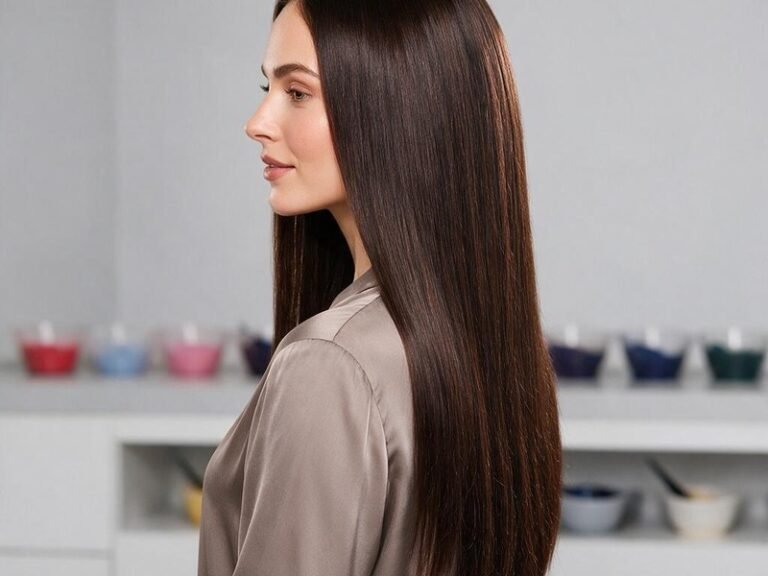
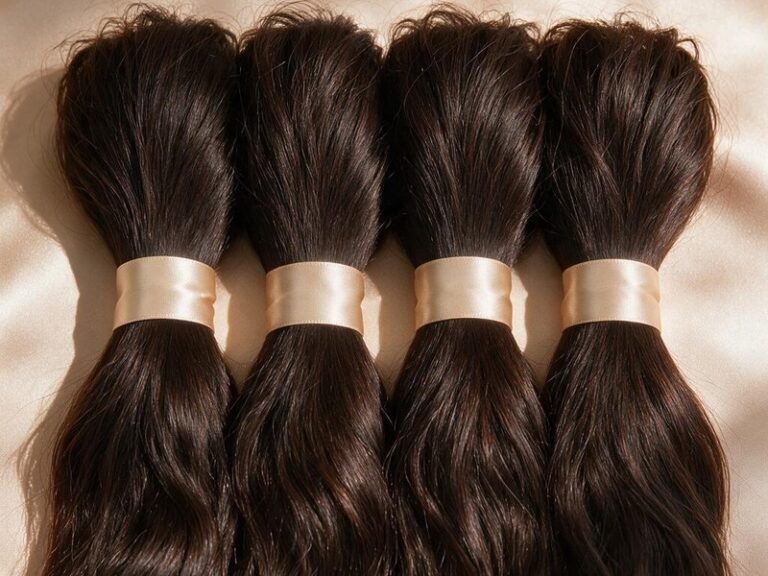
Sample Order Evaluation Checklist for Vetting New Hair Vendors
A sample order evaluation checklist helps you vet new hair vendors by testing real hair, communication, and landed cost before bulk. Order matching lengths from 2–3 suppliers, inspect side by side, wash them, and take notes. Here’s what we check before reordering.
How do you evaluate a hair sample?
Start with specs, not shine.
Confirm length, texture, color, weight in grams, and type, including virgin hair—unprocessed human hair that hasn’t been colored or chemically treated.
Most bundles are about 100 grams (3.5 oz), while braiding portions may be 50 or 100 grams, so compare equal weights.
Photograph it in daylight with a ruler and packing slip; our receiving quality checklist can help keep the record straight.
What should your sample order evaluation checklist include?
- Order a production weft hair bundle—hair woven into a track—in 14, 18, or 22 inches to check density, meaning fullness, and short hairs.
- Add a small bulk hair sample (loose, trackless hair) if you sell braids or locs; loose hair shows tangling fast.
- Include the closure or frontal you’ll resell: a closure covers the part, and a frontal runs ear to ear.
- Request tape-in or K-tip samples—adhesive tabs or keratin-bond extensions—checked for width, residue, and clean tips.
- Ask for a price list showing MOQ (minimum order quantity), lead time, shipping, payment terms, and extra dye or packaging fees.
How do you test cuticles and wash behavior?
Cuticle aligned hair means strands run root to tip in one direction, so mist the sample and run fingers down, then back up; it should glide down and only mildly catch in reverse.
Harsh rasping after a wet test can reveal mixed cuticles hidden under silicone.
Shampoo and condition in lukewarm water, air dry, then brush from ends up; 5–10 loose hairs can be normal, but matting or handfuls aren’t.
If clients color hair, lift a hidden section with 20 or 30 volume and flat-iron a dry strand at 300–350°F, watching for swelling, breakage, burn smell, or texture that won’t revert.
Cheaper processed hair often passes the first touch but fails after washing or lifting, and that $2 savings becomes refunds.
What vendor red flags stop a reorder?
Walk away if a vendor refuses production photos, swaps textures, or adds dye, packaging, or freight fees after quoting.
A perfect sample but 50–100-piece MOQ with no smaller test order is risky if they can’t confirm the same source and lead time.
Slow replies before payment usually get worse after payment, especially around Chinese holidays or peak summer.
Compare landed cost—bundle price plus freight, duties, payment fees, packaging, and expected defect rate.
Our first bulk order mistakes guide covers these traps, and a clear FAQ page should answer MOQ and shipping questions before you pay.
Sample order evaluation checklist FAQ
How many samples should I order?
Order two or three lengths or textures, plus a matching closure or frontal if that’s your line. One sample can be cherry-picked, and reordering it once before bulk proves the quality wasn’t a fluke.
How long should I test hair samples?
Test for 7–10 days, including two washes, heat styling, and an overnight braid or ponytail. If you color hair, add 2–3 days for lifting and conditioning. Rushing this is how buyers get stuck with 100 bad bundles.
Choose the vendor whose sample holds up, whose numbers make sense, and who answers boring questions without pressure. Start with a smaller production order and reuse this sample order evaluation checklist every time.
Send Us Your Hair Inquiry
Need bulk pricing, samples, or a private-label quote? Fill in the form and our team will get back to you within one business day.