Human Hair Blend vs 100% Human Hair: Risks for Resale Brands
We talk to at least 12 new resale brand owners a month who get tripped up on human hair blend vs 100% human hair, usually because they’re chasing a lower price point to beat competitors. Most don’t realize the hidden risks of cutting that corner until they’re fielding 20+ return emails a week and watching their Instagram reviews tank. This isn’t a “blends are bad” rant — just the real risks we see brands face when they skip the fine print.
Why the human hair blend vs 100% human hair price gap is misleading
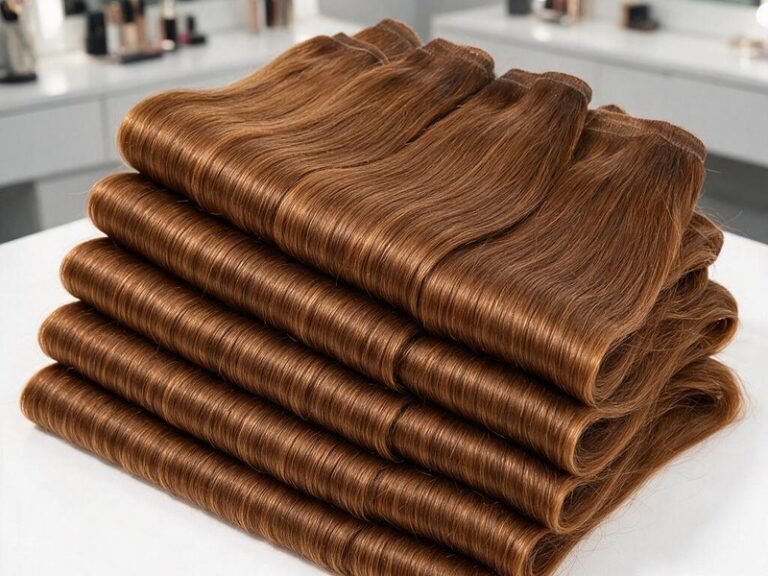
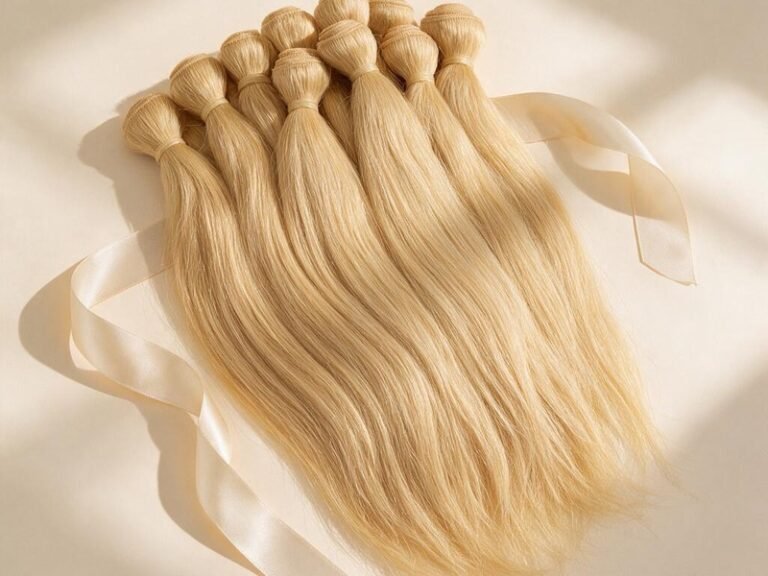
A 18-inch straight weft hair bundle of 100% virgin human hair usually runs $28-$35 for bulk orders, while a blend of 70% human / 30% synthetic might be $14-$19 per bundle. That 50% price cut looks amazing on a spreadsheet, but it’s not pure profit — you’re paying for it in other ways most new brands don’t calculate. Blend hair uses low-grade human hair (often floor sweepings or over-processed remy with stripped cuticles) mixed with heat-resistant synthetic fibers to add weight. We’ve seen brands mark blends up 2x and still undercut 100% human hair sellers, only to eat 3x more in return costs a month later.
Blend hair fails fast under regular salon use
Synthetic fibers in blends melt at 320-350°F, lower than the 380-400°F most stylists use for coarse or curly hair. Even if you slap a “heat safe up to 350°F” label on the packaging, braiders and salon clients will crank up the heat anyway, and you’ll get complaints about frizzy, melted ends after 2-3 wears. The human hair portion of blends is usually non-remy, so cuticles run in opposite directions and mat up way faster than 100% remy hair, even with proper care. We’ve had braiders panic after a client’s blend braids fused mid-install, even after following frizz-resistant braid tips for human hair.
7 quiet costs of selling blend hair you haven’t budgeted for
- Restocking fees for returned blend bundles (usually 100% of cost, since opened hair is non-returnable for suppliers)
- Negative social media reviews that tank organic reach 20-30% faster than positive reviews build it
- Wasted marketing spend on ads for a product that gets 1-star ratings within 2 weeks of launch
- Time spent fielding complaints and processing returns — small brands can spend 10+ hours a week on this
- Lost repeat customers: 68% of hair buyers won’t return after one bad quality experience
- Chargeback fees from customers who file disputes over “false advertising”
- Reputation hits with partner salons or braiders, who won’t risk their own client base
100% human hair isn’t risk-free, either
You’ll still hit quality issues if you use a corner-cutting supplier, like those that mix remy and non-remy hair or mislabel Chinese hair as Brazilian. High-grade 100% virgin human hair has a 50+ bundle MOQ per texture, a bigger upfront cost than the 10-bundle MOQ most blend suppliers offer. You also have to store it properly to avoid dryness or tangling while it’s sitting in your stockroom, a process we outline in our bulk hair storage guide. But the difference is, these risks are predictable and avoidable if you vet your supplier and follow basic care guidelines.
When blend hair actually makes sense (rare, but it exists)
Blend hair works for specific low-cost, single-use products like festival clip-ins or Halloween hair worn 1-2 times, but it’s never a good fit for bulk hair for braiding. It’s also an option if you’re targeting a price point under $20 a bundle and you’re hyper-clear in every listing that it’s a blend, not 100% human hair. The catch: 90% of resellers we talk to pass blends off as “premium human hair” to charge more, leading to piles of returns and ruined reputations. If you do sell blends, never label them as “human hair” — even “human hair blend” needs to be front and center, not buried in the fine print.
Can I sell blend hair alongside 100% human hair?
You can, but you need to separate the lines completely — different product pages, different packaging, clear labeling that leaves zero room for confusion. We’ve seen brands mix the two in one “human hair” collection and get hit with false advertising claims from misled customers. If you do both, treat the blend line as a separate, entry-level brand or sub-label to avoid mixing reputations.
How do I make sure my supplier is actually selling 100% human hair?
Ask for a free 2-gram sample first, and do a burn test — real human hair burns to ash, while synthetic melts into a hard bead. More vetting tips are on our frequently asked questions page, including at-home quality tests. If a supplier refuses to send samples or can’t answer basic questions about hair grade, walk away.
At the end of the day, the human hair blend vs 100% human hair debate boils down to what brand you want to build — cheap and disposable, or reliable and repeatable. If you’re ready to source high-quality 100% human hair that drives repeat buys, reach out for a custom quote tailored to your brand’s needs.
Send Us Your Hair Inquiry
Need bulk pricing, samples, or a private-label quote? Fill in the form and our team will get back to you within one business day.