How to Find a Vendor: Key Differences Explained for Vendors
To find a hair vendor you can trust, match the supplier type to your order size, test samples first, and then discuss wholesale pricing. Factories cost less but require higher minimums, trading companies offer lower minimums and more variety, and local stockrooms charge more but ship fast.
What types of hair vendors are there?
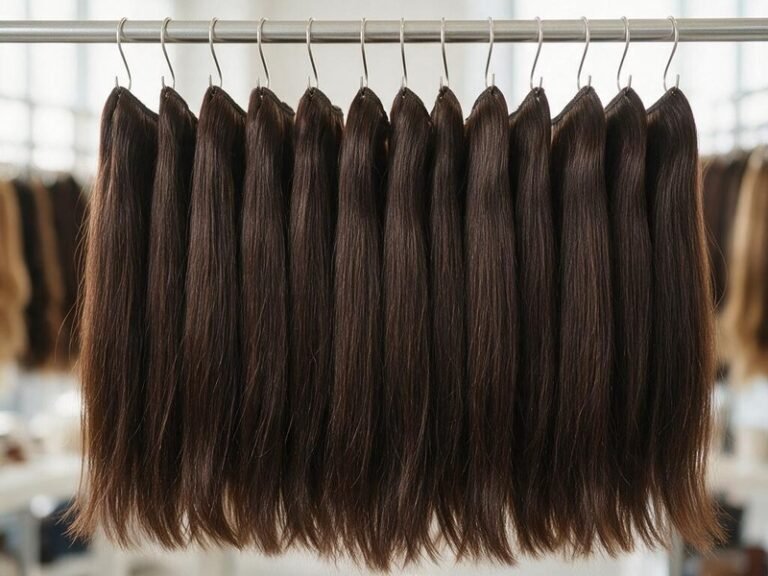
Most buyers work with three supplier types: factories, trading companies, and domestic stockrooms. A factory controls production and can customize texture and packaging, but it usually ignores tiny orders. A trading company sources from several workshops and may combine bulk hair for braiding, which is loose hair with no track, with wefts and tape-ins on one invoice. A local stockroom resells prebought inventory, so emergency orders ship fast, but you pay more. We see too many buyers pick by pretty photos instead of volume, cash flow, and lead time.
Factory, trading company, or local stockroom: which is actually better?
At 50+ bundles a month with custom labels, a factory is usually worth the wait. Expect minimum order quantities (MOQs) of 50 to 100 custom pieces, 10 to 20 production days, and a 30 to 50 percent deposit. For 10 to 30 mixed pieces, a trading company is faster and won’t pressure you to overbuy. You’ll pay 10 to 25 percent more per bundle, but won’t sit on dead stock. Use a domestic stockroom for emergencies only; same-day fill can add 30 to 60 percent.
How do hair quality grades and prices compare?
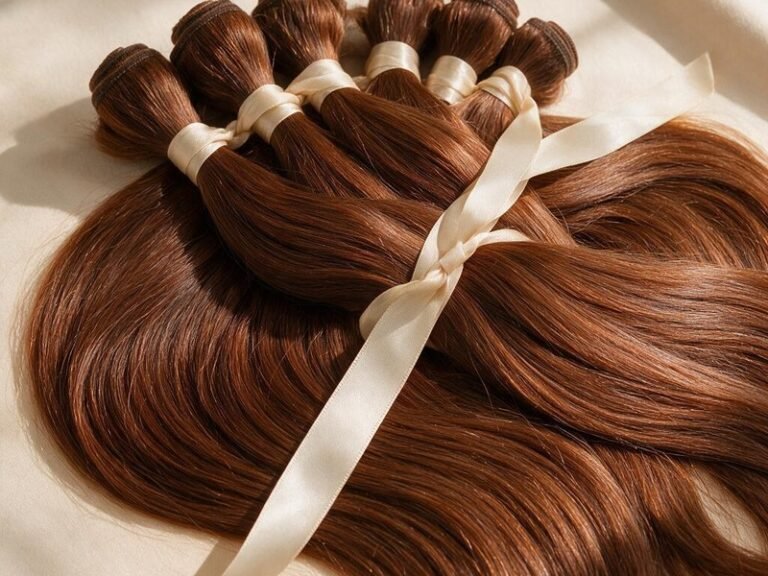
Grades like 9A and 10A aren’t standardized, so one label can mean very different hair. Virgin hair is unprocessed human hair, while Remy hair keeps cuticles facing one direction to reduce tangling. Cuticle aligned means the outer layer runs root to tip; it lasts longer and costs more. A 100-gram 12 to 16 inch bundle may run $15 to $25, while 24 to 28 inch can cost $45 to $75. If a quote seems too low, ask about origin and weight; watch for common wholesale bundle sourcing mistakes like silicone coating.
What should a sample order tell you before you buy wholesale?
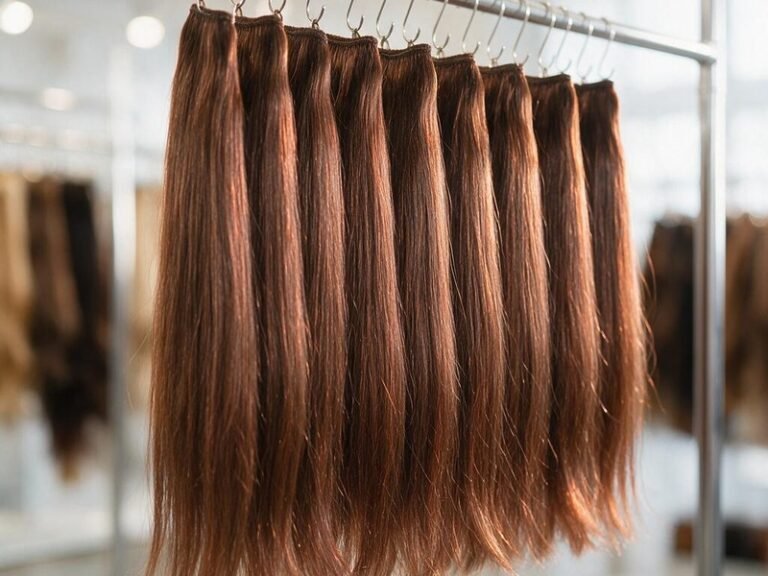
Never approve a vendor from photos; order the length and texture you plan to resell. Weigh the bundle—most run 95 to 105 grams—and check for thin, scraggly ends. Co-wash it, air dry, and comb from the ends to judge shedding, tangling, and silicone. For sew-ins, inspect weft hair bundles, hair sewn onto a track, for tight stitching; for braids, feel bulk hair for brittle tips. Compare vendors at the same length; 12-inch hair naturally looks fuller than 28-inch.
How do you find a hair vendor worth reordering from?
Contact three to five suppliers with the same questions, then compare answers, not just quotes. Ask where hair is processed, what ships from the US or China, and how defects are handled. Our guide to choosing a hair vendor covers salon fit, but consistency beats the cheapest price. Read return and shipping policies before paying; don’t rely on a sales chat promise. Place a paid sample order and reorder only when both hair and service match your brand.
Frequently asked questions
Should I use a China or US vendor?
A China-based vendor usually offers better pricing if you can plan four to six weeks ahead. A US supplier costs more but restocks faster. Many buyers use both for stock and emergencies.
Do I need a wholesale license?
Many suppliers ask for a salon license, business registration, or sales-tax permit, but rules vary. Ask before sampling, since wholesale accounts aren’t open to everyone. You may also need a resale certificate for tax-exempt orders.
Shortlist three suppliers this week, order samples, and wash the hair before committing to a larger purchase. If you’re ready to compare options, browse the hair extension catalog and start with one test bundle.
Send Us Your Hair Inquiry
Need bulk pricing, samples, or a private-label quote? Fill in the form and our team will get back to you within one business day.