Hair Extensions Supplier North Dakota: What to Check Before Your First Bulk Order
Yes, you can source well from a hair extensions supplier serving North Dakota, but your first bulk order should start with samples, clear specs, and realistic lead times. Don’t place a large order based only on a price list or a few pretty photos.
Salon owners, braiders, suite renters, and resellers in Fargo, Bismarck, Grand Forks, Minot, and smaller towns often need the same thing: consistent inventory that clients can wash, curl, color, and wear without surprise matting. This checklist helps you compare suppliers before you commit to bundles, closures, frontals, tape-ins, or k-tips.
What Hair Quality Should You Verify First?
Start with the hair itself, because marketing words are not quality control. Virgin hair means hair that has not been chemically processed, colored, permed, or relaxed. Remy hair means the cuticles should all run in the same direction, which reduces tangling. Raw hair usually refers to unprocessed donor hair with minimal steam or chemical treatment, while cuticle aligned means the outer hair cuticles face the same way from root to tip.
Those terms get used loosely, so ask the supplier exactly what you are buying. Is every bundle 100 percent human hair, or is the line a human/synthetic blend? Is the texture natural, steam-processed, or chemically treated? Can the hair be safely lifted one or two shades by an experienced stylist? A trustworthy supplier should answer without changing the subject.
Your sample should be checked wet and dry. Run your fingers from root to end, then reverse direction slowly to feel cuticle drag. Healthy cuticle-aligned hair should feel smoother from root to tip and slightly rougher in the opposite direction. If it feels unnaturally silky in both directions, it may have been coated with silicone, which can wash away and reveal dry or mixed-quality hair.
Wash the sample, let it air dry, heat style it, and observe shedding. A few loose hairs can happen around a new weft, the stitched track used for sew-in bundles, but heavy shedding after one wash is a warning. Also smell the hair after washing; strong chemical or persistent factory odors can point to poor processing. Keep notes by vendor so you can compare texture, return-to-curl pattern, shedding, and drying time instead of relying on memory.
What Are the Best-Selling Products for a North Dakota Salon or Reseller?
Your first order should match the clients already sitting in your chair, not a supplier’s most glamorous catalog page. In colder, drier plains climates, clients often deal with static, dry ends, hat friction, and less humidity, so moisture retention and texture stability matter. Body wave, straight, deep wave, curly, and kinky curly remain common requests, but your local market may prefer specific lengths and colors.
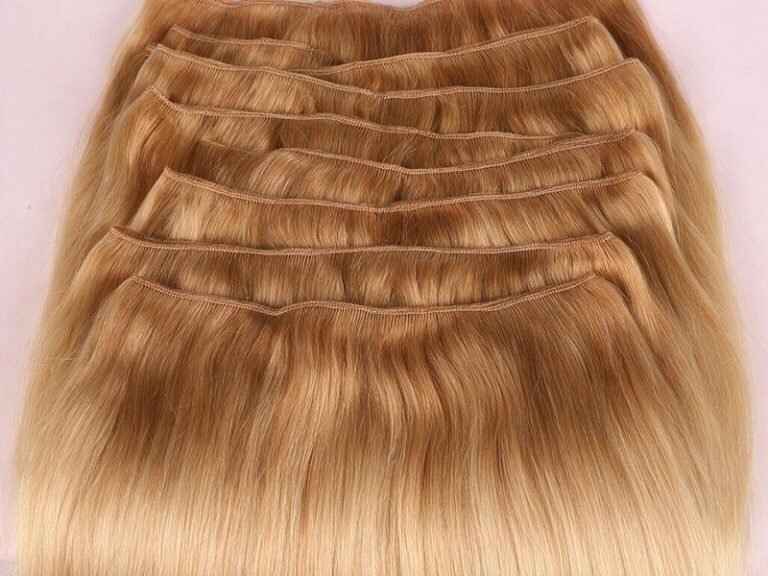
- Bundles: Sew-in hair wefts sold by the piece or set; common bundle weights are around 95 to 100 grams, depending on origin and style.
- Bulk hair: Loose hair without a weft, used for braiding, boho braids, or custom knotting; confirm whether it is human hair, processed hair, or a blend.
- Closure: A smaller lace or silk base, usually 4×4, 5×5, or 6×6, used to close a sewn-in or wig unit without leaving natural hair out.
- Frontal: A larger ear-to-ear lace piece, commonly 13×4 or 13×6, used to recreate a full hairline; it takes more skill to install and maintain.
- Tape-in: Sandwiched adhesive weft extensions applied close to the root; clients usually need adjustment or reinstallation every several weeks.
- K-tip: Keratin-bonded strand extensions, sometimes called fusion tips; application is longer and more labor-intensive than tape-ins.
- Wigs and units: Ready-made or custom caps made with bundles and lace; check cap size, density, lace type, combs, straps, and bleached-knot options.
Density matters with wigs and closures. It describes how full the unit looks, often shown as 130 percent, 150 percent, 180 percent, or higher. Higher density costs more and can feel heavier, so don’t assume every client wants the fullest option. A first inventory should cover the core lengths and textures you sell most, then add statement textures after you see repeat demand.
How Do You Compare MOQ, Pricing, and Hidden Costs?
MOQ means minimum order quantity, the smallest amount a supplier will sell on a wholesale basis. Some suppliers quote a low MOQ but charge near-retail prices, while others offer better pricing only at larger volume. Ask for a written wholesale price sheet with bundle grade, length, texture, weight, lace type, color, and payment terms all spelled out.
Don’t compare only the price per bundle. A 100-gram bundle can be a different value from a 90-gram bundle, and single-drawn hair will usually have more layered ends than double-drawn hair. Double-drawn does not automatically mean better for every client, but it tends to look thicker from top to bottom and costs more. If your clients want very full ends from 20 to 28 inches, compare weight and drawn type before deciding.
Ask about freight, duties, insurance, packaging, labeling, rush fees, and payment methods. A cheap bundle can become expensive after shipping, customs delays, or replacement costs. If you are ordering from overseas to North Dakota, ask whether the quoted door-to-door price includes customs clearance or if you may receive a separate bill. For domestic stock, ask where the warehouse ships from and the normal transit time to your zip code.
Your first order should be small enough to test consistency but structured enough to give clients choices. A practical approach is samples first, then a trial order of 20 to 50 pieces in your top textures, depending on your budget and storage. Reorder only after you have washed, installed, and tracked the hair on real clients. Install means the professional application method, such as sew-in, tape-in, bonded, braided, or wig application.
Which Supplier Documents and Quality Controls Matter Most?
A credible B2B supplier should be comfortable giving you product details before payment. Ask for current photos or videos of the exact batch, not only edited campaign images. Request close-ups of the weft stitching, lace knots, bundle tags, alignment from root to end, and packaging. For custom wigs, ask for photos of the cap construction before shipment so you can catch strap, band, or sizing issues early.
Find out how the supplier handles length. Human hair is measured straight when pulled taut; curly and wavy hair will look shorter because of the curl pattern. A labeled 22-inch deep wave may visually appear closer to 20 or 21 inches, which is normal, but the supplier should state the measurement method clearly. This one detail prevents many chargebacks and client arguments.
Ask about batch consistency. Can the supplier match texture and color across three, ten, or fifty bundles? Will 18-inch body wave from January feel like the same product in May? What happens if a closure lace shade or curl pattern differs from the bundles? A factory that can explain sorting, washing, sanitizing, steaming, weft inspection, and final packaging is usually safer than one that only replies with “premium quality.”
Also confirm after-sale rules before ordering. Many hair vendors do not accept returns on installed, washed, cut, colored, or altered products. That is reasonable, but you should know who pays for shipping if the factory sends the wrong length, defective weft, damaged lace, or incorrect texture. Ask for a clear claim window, often within several days of delivery, and keep unboxing photos if you receive a shipment that looks wrong.
What Should Your Sample Order and Reorder Process Look Like?
Buy samples from at least two or three suppliers before choosing a main vendor. Order the same length and texture from each, such as 20-inch body wave bundles with a matching 5×5 closure. Compare grams, weft width, smell, shedding, curl return, coloring results, lace transparency, and how the hair feels after two or three washes. If possible, install one set on a trusted client and get honest feedback after two weeks.
Record the details on a simple sheet: supplier name, product line, order date, price, weight, length, texture, lot number, packaging condition, shedding, tangling, and client notes. This matters because hair can look similar on a website but perform differently in daily wear. If a supplier changes batches later, your records help you discuss the issue with facts instead of frustration.
Before reordering, plan around lead times. Stock items may ship in a few business days, while custom labels, special colors, custom wigs, or larger bulk orders can take longer. Overseas production and transit may take several weeks, especially around Chinese New Year, major US shipping holidays, or storm-related delays in the Upper Midwest. Build buffer stock before prom, wedding season, back-to-school, and holidays instead of ordering only when shelves are empty.
Packaging is another practical check. Clean labels, bundle tags, consistent satin bags, and sturdy boxes protect the product and support resale value. If you want private labeling, ask about MOQs, design requirements, label placement, extra cost, and whether labels can be changed later. Start simple; don’t overbuy branded packaging until you know the hair quality and return rate are stable.
Frequently Asked Questions
Do I need a North Dakota warehouse to find a local hair supplier?
No. Many North Dakota salons and resellers buy from suppliers with domestic warehouses or direct factory shipping. What matters more than a local address is verified quality, clear shipping times, responsive service, and fair claim handling.
How many bundles should a first bulk order include?
It depends on your client volume, but a conservative first order should cover only your best-selling lengths and textures. Many buyers start with samples, then a 20 to 50 piece trial order rather than buying hundreds of pieces at once.
Send us your product list, target textures, and preferred lengths, and we can help you plan a sensible sample and trial order. Tell us whether you need sew-in bundles, bulk braiding hair, closures, frontals, tape-ins, or k-tips so the quote matches the clients you actually serve.
If you want the full background before you order, our guide on Clip in Hair Extensions Australia: What to Check Before Your First Bulk Order walks through it in plain terms.
Send Us Your Hair Inquiry
Need bulk pricing, samples, or a private-label quote? Fill in the form and our team will get back to you within one business day.