Closure Wig Styles: A Complete Guide
Closure wig styles include straight, body wave, deep wave, curly, kinky textures, and bobs, usually built with a 4×4, 5×5, or 6×6 closure. A closure is a small lace piece that covers the crown and lets you part within that area. This guide covers the specs, textures, and tradeoffs we see salons and resellers order most.
What closure wig styles sell best?
Straight is the safest baseline because it works for everyday and professional wear. Body wave is next; it looks styled but still straightens cleanly. Deep wave, water wave, and curly units sell well where customers want volume, but they need moisture and can tangle. Kinky straight and kinky curl styles have loyal buyers, but they move slower unless your audience asks for them. Most stock units use virgin hair, meaning unprocessed human hair, or Remy hair, whose cuticles all face the same direction.
Which closure size should you stock?
A 4×4 is the cheapest and handles middle or modest side parts. A 5×5 gives more parting room for a small cost jump, so it’s the best default for most stores. A 6×6 allows deeper parts, but more lace can feel thicker and tear more easily. Density is the hair amount in the cap relative to a natural head; 150% is natural, 180% fuller, and 200% heavy. A frontal is an ear-to-ear lace piece; our 5×5 closure vs 13×4 frontal guide explains why 5×5 often balances cost and styling.
How do texture and length change the look?
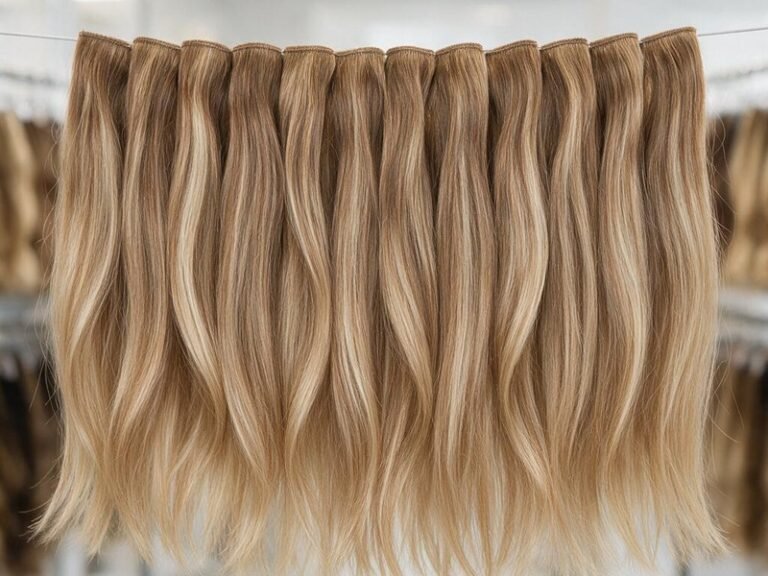
A 10–14 inch bob feels polished, while 22–30 inches reads dramatic. Measure curly and wavy hair pulled straight; a 20 inch deep wave may shrink to 18 inches. Weight reveals quality. A 150% 16–18 inch unit should weigh about 180–230 grams, and a 24–26 inch unit often hits 260–320 grams. Custom wigs are usually built from weft hair and a matching closure, so matching texture lots matters.
What cap and parting options do customers expect?
Most buyers want pre-plucked edges, neutralized knots, adjustable straps, and an elastic band. A closure wig parts only over the lace, unlike a frontal, an ear-to-ear lace piece that allows deeper parts and updos. Transparent or HD lace looks skin-like, but HD is delicate and tears faster. Middle parts sell best to beginners; free-part and three-part closures need better finishing. Our closure wig vs frontal wig guide helps if clients keep asking for high ponytails.
Closure wig styles we’d stock first
- Straight 5×5 bob, 10–12 inches, 150–180%: fast seller and easy to install.
- Body wave 5×5, 18–22 inches, 180%: safe longer look that can be flat-ironed.
- Deep wave 4×4 or 5×5, 20–24 inches: voluminous, but explain detangling and shrinkage.
- Kinky straight 5×5, 14–18 inches: blends with relaxed or blown-out natural hair.
- Curly 6×6, 16–20 inches: defined and popular, but sell proper moisturizing products.
- Glueless transparent lace: not a texture, but the feature daily wearers request most.
Closure wig questions buyers ask
Can you wear a closure wig in a high ponytail?
A standard 4×4 or 5×5 closure wig isn’t made for a true high ponytail because tracks show on the sides. Low ponytails and half-up styles usually work, especially with a 6×6. For frequent high updos, steer them to a frontal wig.
How long does a closure wig usually last?
A good human-hair closure wig usually lasts 8–14 months with daily wear and gentle care. Occasional wear can extend it to 18 months or more. Bleaching, rough glue removal, and curly-hair dryness shorten that timeline.
For a first B2B order, stock straight, body wave, and one curly style in 150–180% density, then reorder by sell-through. Browse our hair extensions for current stock, or send us your spec sheet if you want help building a test order.
Send Us Your Hair Inquiry
Need bulk pricing, samples, or a private-label quote? Fill in the form and our team will get back to you within one business day.