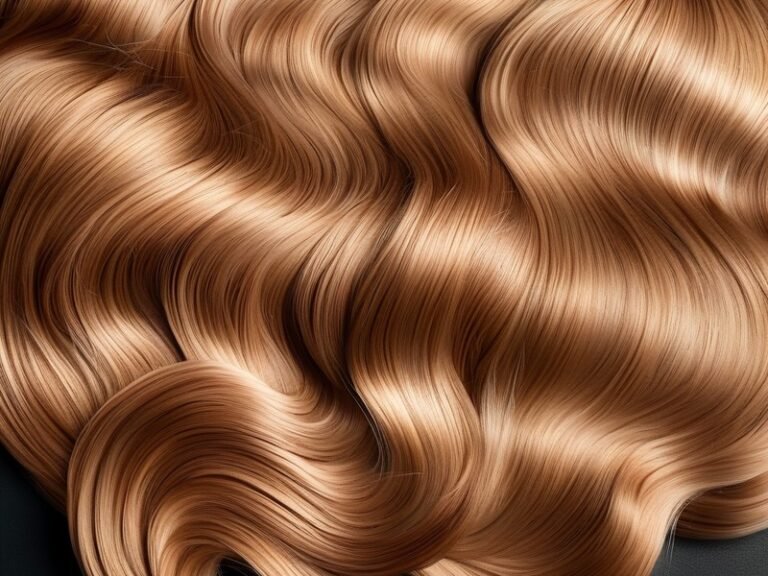
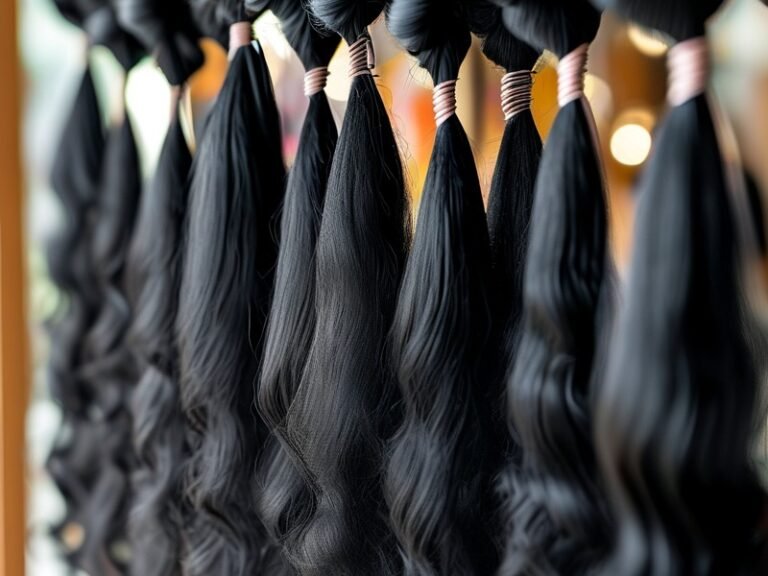
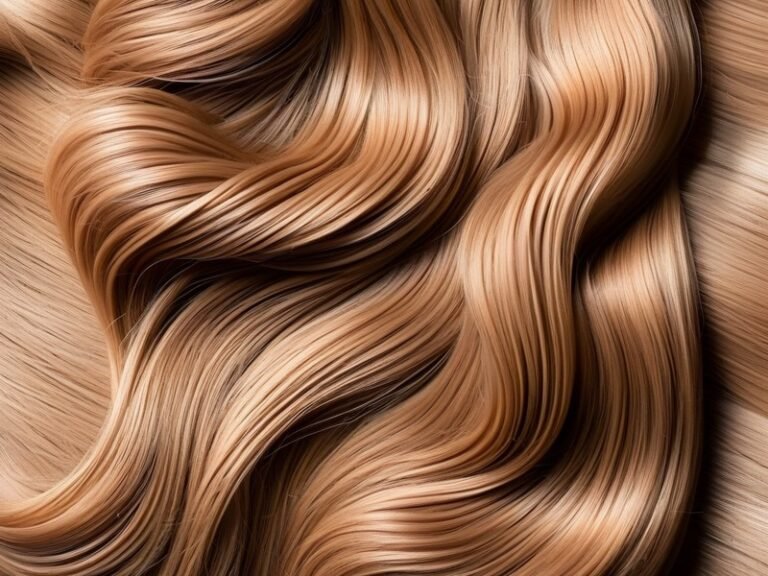
Clip in Hair Extensions Real Human Hair Blonde: Vendor Selection Checklist for Buyers
Yes, blonde clip-in hair extensions can be a strong wholesale category, but only if the vendor controls bleaching, toning, shedding, and thickness honestly. The safest buying move is to treat this like a quality-control purchase, not just a color purchase: confirm real human hair, Remy or cuticle-aligned material, accurate gram weight, tested clips, and shade consistency before placing a larger order.
For salon owners, beauty-supply buyers, and resellers, blonde is less forgiving than dark hair. One batch may look golden, another may turn brassy, and the ends can become dry if the hair was over-processed. Use this checklist before you commit inventory money to a new supplier.
What should buyers look for in blonde clip-in hair extensions made with real human hair?
Start with the hair itself. Real human hair should move, curl, and heat-style like natural hair, but that alone does not prove good quality. Ask whether the product uses virgin hair, Remy hair, raw hair, or processed human hair, because those terms mean different things in a factory.
Virgin hair means the hair has not been chemically processed before manufacture. Most blonde extensions are not genuinely virgin because lifting dark hair to blonde requires bleach or another lightening process. Remy hair means the hair strands are kept with roots and ends oriented in the same general direction to reduce tangling. Raw hair usually refers to minimally processed donor hair, but true raw blonde hair is rare and usually expensive. Cuticle aligned means the cuticles run in one direction, which helps the hair feel smoother and tangle less.
For blonde clip-ins, ask specifically how the factory lifts the hair. A responsible vendor should be able to explain the shade range, processing method, toning process, and whether the hair is double drawn. Double drawn hair has shorter hairs removed, giving the set a fuller look from top to bottom. It costs more, but buyers usually see fewer complaints about thin, wispy ends.
Be cautious if a supplier advertises every blonde shade as “raw virgin blonde” at a low price. That combination often does not match real factory costs. A more honest supplier may say the hair is Remy human hair, cuticle aligned, then bleached and toned to the blonde shade.
How do you verify blonde shades, highlights, and batch consistency?
Blonde is where returns happen. The same shade name can look completely different between suppliers, and even #60, #613, ash blonde, honey blonde, platinum blonde, and highlighted blonde can vary depending on the source hair and toner. Ask for physical color rings or sample sets before buying bulk inventory.
Check the shade in three lighting conditions: indoor warm light, natural daylight, and the lighting your customer will use when taking photos. Daylight usually reveals unwanted brassiness, greenish ash tones, or uneven lifting near the weft. Also inspect root shade, mid-lengths, and ends because heavily bleached ends may look lighter and feel drier.
If you are buying balayage, piano color, highlights, or root-melt clip-ins, review the placement from the weft edge through the ends. Highlighted sets should have a believable blend, not harsh stripes or patches concentrated only on the top layer. Ask whether color is processed before wefting or after wefting; post-weft coloring can leave uneven spots near stitching.
Batch consistency matters even more for repeat orders. Before reordering, require a photo or video of the new batch next to your approved sample. Better vendors keep shade records and can match against a retained standard. Low-cost suppliers may ship a “similar blonde,” which creates exchange requests and hurts your brand.
What clip-in construction details prevent salon and reseller complaints?
A pretty blonde set is not enough if the clips pull, the weft sheds, or the set is underweight. A weft is the stitched track where hair is secured, and the clips are sewn or attached to that track. For clip-ins, construction directly affects comfort, security, and how long the product lasts.
Inspect the weft closely. It should be flat enough to lie near the scalp, strong enough for regular wear, and neat along the stitching. Thick, bulky wefts can be hard to hide in fine hair. Weak wefts can shed when customers brush or wash the hair. For blonde products, also check whether short hairs poking through the stitching create frizz or a rough surface.
Test the clips. Open and close them repeatedly, tug lightly, and check whether the silicone backing is secure. Clips should grip without feeling sharp. Rust-resistant metal and secure stitching matter because customers may wash the pieces or apply products while the clips remain attached.
Ask the vendor for the exact set breakdown. A common 7-piece set may include one wide piece for the back, smaller side pieces, and testing pieces, but piece count alone does not tell you the value. Compare total grams, width per piece, hair length, and grams per weft. A vendor can advertise 10 pieces but make each piece too thin to blend.
Which specs belong on your vendor comparison checklist?
Before ordering, collect the same information from every supplier. Comparing “premium blonde clip-ins” from two vendors without specs will mislead you because premium is a marketing word, not a measurable standard. Put these details into a spreadsheet and compare samples side by side.
- Hair material: 100% human hair, Remy, cuticle aligned, single drawn, double drawn, or blended fiber content.
- Color process: bleaching level, toner method, available solid and highlighted shades, and batch matching policy.
- Length range: common options such as 12, 14, 16, 18, 20, 22, and 24 inches, measured when the hair is straight.
- Total weight: total grams per set, often around 100 to 180 grams for standard sets, with custom weights available.
- Piece layout: number of wefts, width of each piece, number of clips per piece, and whether pieces can be customized.
- Quality checks: shedding test, tangling test, wash test, curl test, clip pull test, and shade approval before shipment.
- Wholesale terms: MOQ, stock colors, private label packaging, production lead time, sample cost, returns, and defect allowance.
Do not let a supplier skip the gram weight. Two sets labeled 20 inches can feel completely different if one is 100 grams and the other is 160 grams. Customers usually want enough hair for thickness and blend, especially at 18 inches or longer. If your market includes fine-haired clients, you may need lighter sets; if your customers want full volume, heavier sets sell better but cost more.
Also confirm the texture after washing. Wavy or curly hair should return to its labeled texture after conditioning and air drying. Straight blonde hair should not become harsh, matted, or unusually tangled after one wash. A sample test is worth the cost because it exposes problems that studio photos cannot show.
How do MOQs, samples, lead times, and custom packaging work for wholesale orders?
MOQ, or minimum order quantity, varies by supplier and whether the item is stock or custom. Stock blonde shades may have a lower MOQ, sometimes starting around 10 to 50 pieces depending on the factory. Custom shades, branded tags, specialty packaging, or custom gram weights usually require a higher MOQ and longer lead time.
Always order samples before a wholesale purchase. Evaluate at least one light blonde, one neutral blonde, and one highlighted shade if those are core colors for your store. Keep the approved sample as your standard. If a supplier will not allow paid samples or keeps pushing a bulk order with “same as photo,” that is a warning sign.
Lead times depend on inventory and processing. Stock clip-ins may ship within a few business days, while custom blonde production, private labels, or special packaging may take several weeks. During busy seasons, give extra time because bleaching, toning, drying, quality inspection, and packing cannot be rushed without increasing defects.
Private label can help your business, but it also complicates reorders. Confirm whether tags, boxes, logos, satin pouches, and insert cards are provided in-house or through a third party. Ask who pays for packaging molds or printing plates, whether leftover packaging is retained, and how packaging defects are handled.
What tests should you run on a sample set before buying inventory?
Run the tests your customers will actually perform. Brush the hair from ends upward, wash it with sulfate-free shampoo, condition it, air dry it, curl it, and wear the pieces for a full day if possible. Blonde hair often feels acceptable straight out of the package but reveals dryness or tangling after washing.
Check shedding by running your fingers through each weft and gently brushing before and after washing. A few loose hairs can be normal from manufacturing, but continued shedding means the weft or hair securing process may be weak. Pay attention to short hairs falling from blonde sets because aggressive brushing after bleaching can create breakage.
Test heat styling at a moderate temperature. Human hair should hold a curl or straighten smoothly, but over-processed blonde hair may smoke, frizz, or become brittle more quickly. The vendor should give realistic care guidance, including heat protectant and lower heat settings for lighter shades.
Assess comfort and blend with a real install. An install is the method of attaching extensions to the client’s hair, and for clip-ins that means sectioning the natural hair, opening the clips, anchoring them close to the scalp, and blending the leave-out. If the wefts bulge, slide, or feel heavy in fine hair, the set may generate complaints even when the hair itself looks good.
How can buyers avoid common blonde hair extension scams and quality traps?
Watch for mixed hair sold as 100% human hair. Synthetic or animal-hair blends may look shiny initially, but they can tangle, melt under high heat, or fail to hold styling. A low price across every length and shade is often a warning, especially for pale blonde hair because lightening adds processing, labor, and waste.
Another trap is photo borrowing. Some vendors use polished salon images but ship hair that does not match the tone, thickness, or length shown. Ask for factory photos, unfiltered videos, weft close-ups, and weight photos on a scale. Reputable suppliers will not promise perfect color from a phone screenshot, but they can discuss realistic matching options.
Be careful with unrealistic claims. Terms such as “no shedding,” “never tangles,” or “lasts forever” are not credible for processed blonde hair. A better supplier will explain trade-offs: lighter shades need gentler care, deeper conditioning, less heat, and proper brushing. They should also offer clear guidance on expected lifespan based on wear frequency and maintenance.
Ask for defect policy in writing. Common issues include wrong shade, mismatched highlights, weak clips, uneven lengths, excessive shedding, odor, chemical damage, and wefts that are thinner than quoted. Understand whether the supplier offers replacement, discount, credit, or remake, and who pays shipping when the problem is factory-related.
What questions should you ask the factory or supplier directly?
Ask practical questions, not just sales questions. A knowledgeable vendor should answer details without deflecting. You are looking for consistency, transparency, and evidence that the supplier understands blonde processing rather than simply reselling generic inventory.
Ask whether the hair cuticles are intact and aligned, what percentage of strands are root-to-tip oriented, and whether the hair is Remy by collection or by later processing. Ask where the hair is sourced, where bleaching happens, and whether the factory can produce repeat shade batches. Some trading companies can still be reliable, but they should disclose what they control and what is outsourced.
Request photos and videos of the exact production stage you care about: raw hair before lightening, hair after toning, weft stitching, clip attachment, gram weighing, and final packing. For large orders, ask whether pre-shipment inspection is available and whether you can approve a production piece before the full run closes.
Also ask about customization. Can they adjust clip placement, add more clips, change weft widths, produce thicker ends, match a custom blonde ring, or create sets for fine hair? A supplier that only offers one fixed set may be fine for basic resale, but salons and growing brands often need flexibility.
How should salons and resellers choose lengths, density, and care support?
Length should match the client’s natural hair and blending ability. A 14- or 16-inch set is easier for short or fine hair, while 20 to 24 inches creates more drama but needs more grams to look full. Density in extensions usually refers to how thick the hair looks overall; for clip-in sets, total grams and evenness matter more than a vague density label.
For salon retail, carry core shades first. #613 blonde, platinum #60, ash blonde, honey blonde, and highlighted blends are common, but your market may prefer warmer or cooler tones. Start with samples and reorder based on actual sales instead of stocking every shade. Blonde inventory can also shift in appearance if stored poorly for too long, so avoid overbuying before you know demand.
Care support reduces returns. Give customers instructions for brushing, washing, drying, heat styling, and storing clip-ins. Advise them to detangle from the ends, use sulfate-free products, condition without soaking the clips heavily, air dry when possible, and sleep without wearing the pieces. Blonde extensions should also be protected from chlorine, salt water, excessive purple shampoo, and repeated high-heat styling.
A closure is a small lace or silk piece used to close an install, while a frontal is a wider piece that runs from ear to ear. Those terms are more common for sew-ins and wigs than clip-in sets, but customers may ask whether clip-ins match them. Make sure your blonde vendor can coordinate shades across product categories if you later add closures, frontals, tape-ins, k-tips, or bulk hair. Tape-in extensions use adhesive tabs, k-tip extensions use keratin bonds, and bulk hair is loose hair without a weft, often used for braiding.
Frequently Asked Questions
Are all blonde human hair clip-in extensions Remy hair?
No. Blonde clip-ins can be made from real human hair without being Remy, and some products may contain blends even when advertised as human hair. Remy means the strands are kept in a consistent root-to-end direction, which usually helps reduce tangling. Always ask for the material grade, processing details, and sample testing before buying wholesale.
What is the best gram weight for wholesale blonde clip-in sets?
There is no single best weight because it depends on length, hair type, and customer volume goals. Many standard sets fall around 100 to 180 grams, with longer lengths usually needing more hair to look thick from top to bottom. Compare total grams, weft widths, and end fullness instead of choosing by piece count alone.
How can buyers tell if blonde extensions were over-processed?
Over-processed blonde hair often feels dry, crunchy, or straw-like near the ends, tangles quickly after washing, or loses smoothness when heat styled. Check the sample after shampooing, conditioning, air drying, and curling, not just when it arrives in the package. Uneven tone, excessive short hairs, and strong chemical odor are also warning signs.
Should buyers order custom packaging with the first clip-in order?
Usually, it is safer to validate hair quality and shade sales before investing heavily in custom boxes or branded packaging. Start with stock packaging and paid samples, then move to private label once you know which lengths and blonde shades sell consistently. Confirm MOQs, lead times, printing costs, and defect responsibility before approving custom packaging.
If you are building a blonde clip-in line, send us your target shades, length range, gram weight, and order quantity. We can help you compare realistic sample options and set up a repeatable quality standard before you scale inventory.
If you want the full background before you order, our guide on Human Hair Extensions: Vendor Selection Checklist for Buyers walks through it in plain terms.
Send Us Your Hair Inquiry
Need bulk pricing, samples, or a private-label quote? Fill in the form and our team will get back to you within one business day.