Buying Bob Wigs for Sale in Bulk: Quality Checks That Matter
Buying bob wigs for sale in bulk means checking hair quality, cap construction, lace, density, and batch consistency before you trust a unit price. A solid wholesale bob should use matched, cuticle-aligned hair, secure wefts, intact lace, and the same cap and color from first unit to last. I’ll walk you through the checks we actually use in the warehouse.
Is the hair really virgin or Remy?
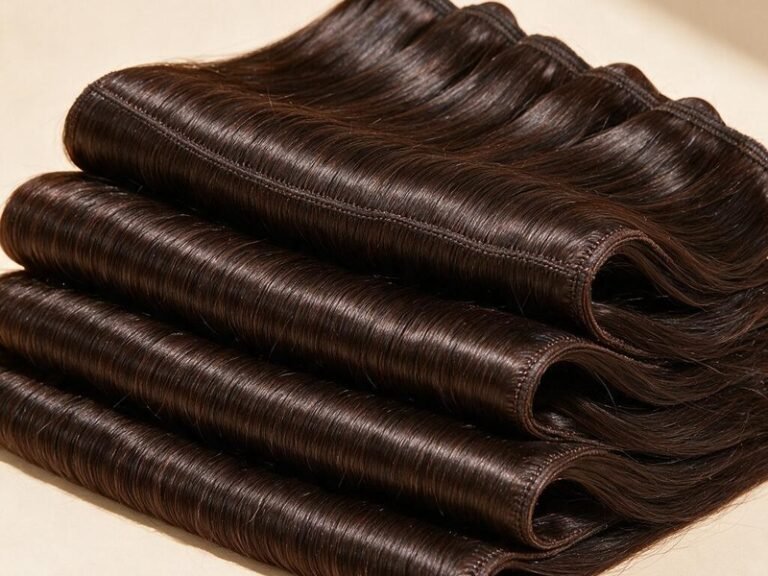
Know the labels: virgin hair is unprocessed human hair, Remy means cuticles face one direction, and cuticle aligned means strands run root to tip to prevent matting. Short bobs expose this fast because loose cuticles rub the collar and tangle. Ask whether a unit is 100 percent human hair, can be heat-styled or colored, and what percentage may contain mixed fibers. Virgin hair costs more but takes color well; processed Remy is cheaper yet can dry out after bleaching. If a supplier can’t explain it clearly, keep sampling.
How full should a bulk bob wig be?
Density is the amount of hair sewn into the cap, usually shown as 130, 150, or 180 percent. Most 8-to-12-inch bobs work at 150 percent; 130 can look thin at the nape, and 180 is full but hotter and heavier. A 12-inch human-hair bob often weighs 140 to 170 grams, so compare actual grams, not photos. Ask for top and side photos plus a shake video in natural light. If the spec only says “thick,” don’t order 100 pieces.
What should I inspect on the lace and cap?
A closure is a small lace piece at the part or crown, while a frontal runs ear to ear; check both for holes, shiny knots, and uneven bleaching. Feel the edge for tears, loose stitching, or glue residue. Confirm a stock cap circumference of 21.5 to 22.5 inches, and test straps, combs, and any elastic grip. HD lace looks natural but is thinner and tears more easily during install. Our brown full lace virgin wigs guide covers similar lace red flags.
Where bulk bob orders actually go wrong
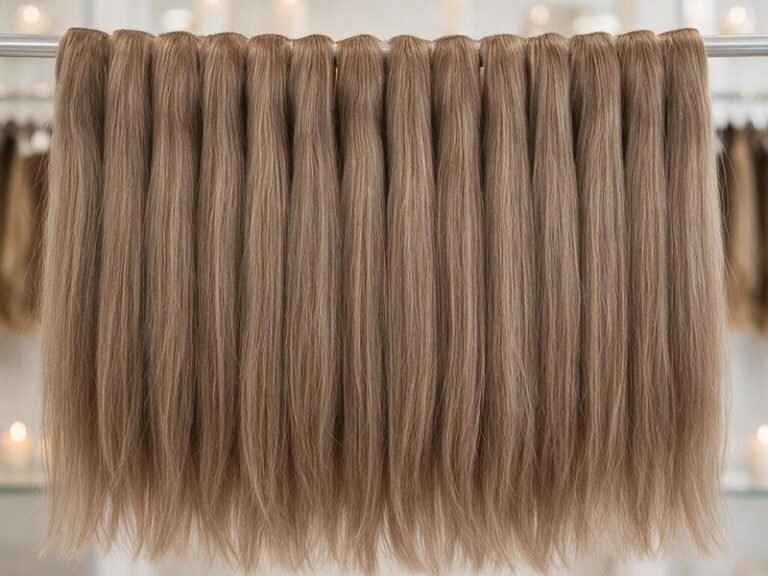
Bobs show mistakes sooner than long styles because uneven layers and thin napes are hard to hide. Pull three units from different boxes and compare length with the hair pulled straight; an 8-inch bob should not become a 6-inch nape. Check wefts for wide stitches and sealed ends, then shake each unit to judge shedding. Compare color in daylight, since jet black batches can look green or purple under salon bulbs. The same logic applies to bulk hair for braiding: trust the measured sample, not the photo.
How do I protect a first bulk order?
Start with a sample, then a small test order; MOQ means minimum order quantity, often 20 to 50 mixed pieces and 50 for custom color. Get lead times in writing—stock bobs may ship in 5 to 10 days, while custom work takes 25 to 40. Keep the approved sample and spec sheet beside the final shipment. Before paying the balance, ask who covers lace tears, wrong density, or defective caps. If you’re expanding, the start a hair business guide covers inventory and reorder timing.
What density is easiest to resell?
For most salons and beauty-supply shoppers, a 150 percent density bob in 10 to 12 inches is the safest middle ground. It has enough body for a blunt look without appearing costume-thick, and it works for quick glueless installs.
Can I mix colors and lengths in one bulk order?
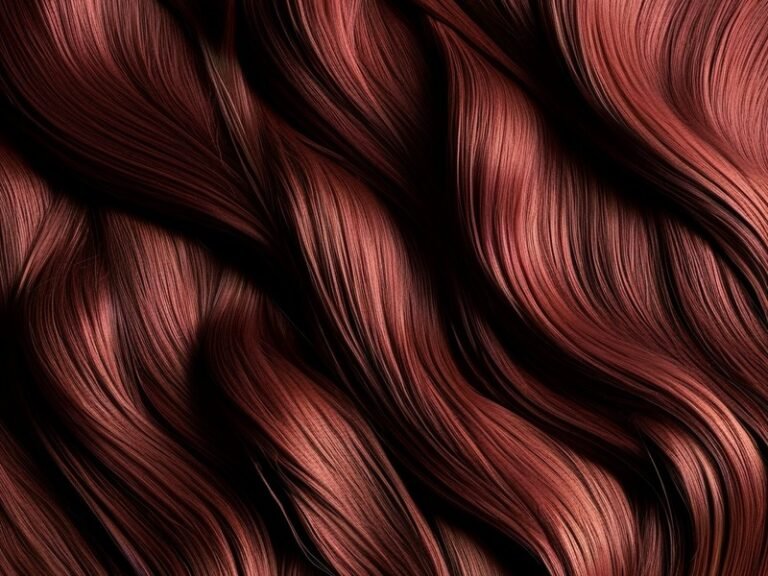
Usually yes, but many factories set a per-color or per-length MOQ around 10 to 20 pieces. Natural black and brown shades are easiest to mix; highlights or custom roots need more units and time. Request a physical color ring before planning reorders.
When you’re ready, shop all hair extensions with your sample notes nearby and compare specs, not just prices. If you need MOQs, shipping windows, or return rules first, the FAQ page is a good place to start.
Send Us Your Hair Inquiry
Need bulk pricing, samples, or a private-label quote? Fill in the form and our team will get back to you within one business day.