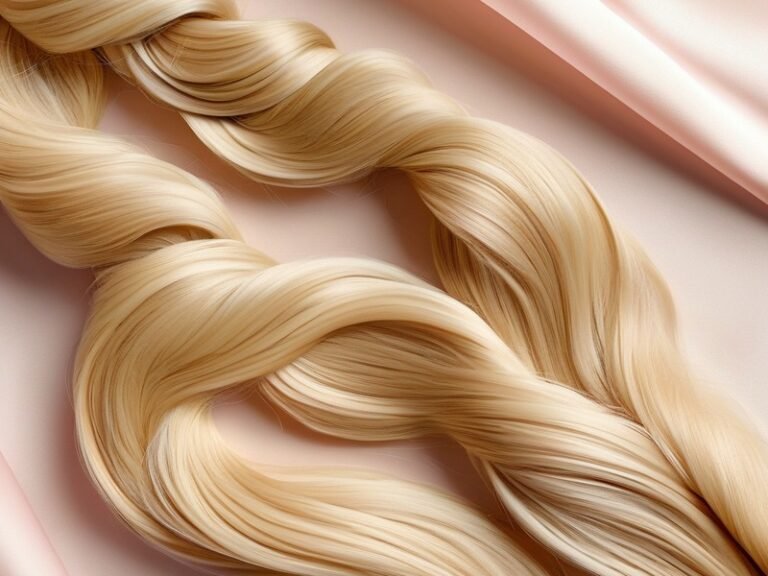
Bulk Human Hair for Twists: A B2B Buying Guide for Hair Businesses
Yes, bulk human hair can be one of the best choices for premium twists, especially for clients who want softness, natural movement, and reusable hair. The catch is that not every “human hair bulk” bundle is clean, consistent, or suited to twisting, so B2B buyers need to check donor quality, texture, weight, steam processing, and return terms before placing a wholesale order.
Bulk hair means loose human hair sold without a weft, the stitched horizontal track used for sew-in bundles. That loose format is what braiders and stylists use for box braids, Senegalese twists, loc extensions, Boho twists, and micro twists. This guide walks through the decisions that actually affect customer satisfaction and reorders.
Is bulk human hair better than synthetic hair for twists?
Bulk human hair is usually better if your client wants a natural look, lighter long-term wear, or the option to wash and reuse the hair. It burns like human hair, moves like real hair, and can usually be colored or heat-styled within reason, depending on how the factory processed it. For high-end salon services, human bulk can also support a higher ticket because the finished twists look less shiny and more realistic.
Synthetic hair still has a place, especially for clients on a budget, temporary styles, or very uniform spring twists. Quality synthetic is lower cost, often comes pre-curled, and can reduce tangling for certain protective styles. The trade-offs are shine, limited heat use, shorter reuse life, and sometimes scalp irritation from the alkaline coating on budget fibers.
For a hair business, the smart inventory move is usually not to replace all synthetic stock. Carry human bulk in the textures that give clients the clearest upgrade: natural straight, light yaki, kinky straight, coarse yaki, deep wave, and water wave. Those textures cover clean goddess twists, Boho braids, soft locs, and natural-looking loc extensions without forcing you to stock every curl pattern.
Which hair terms matter when ordering bulk hair for twisting?
Suppliers use terms loosely, and that can create expensive misunderstandings. Ask for the exact meaning behind each label, and confirm the details in writing before paying a deposit. Product photos alone are not enough because lighting, combing, steam, and curling can change the way bulk hair looks.
- Virgin hair: Hair that has not been chemically processed, colored, permed, or silicone-heavily coated. True virgin bulk should come from one donor group or a tightly controlled donor pool.
- Remy hair: Hair gathered with roots and tips mostly oriented the same direction. Remy does not automatically mean unprocessed, but it usually reduces tangling when handled correctly.
- Raw hair: A term often used for minimally steamed, unprocessed donor hair. It can be excellent, but it is also overused, so ask about donor source, sorting, smell, lint, and steam treatment.
- Cuticle aligned: Hair with the outer cuticle layer running in the same direction. This is the most useful structural term for twists because aligned cuticles resist matting when the hair is washed and worn.
- Yaki and kinky textures: Textures created or standardized by steaming, sometimes with light chemical processing. They mimic relaxed or Afro-textured hair and are popular for natural-looking twists.
- Double drawn: Hair sorted so shorter strands are removed, giving thicker ends. It looks fuller but costs more and may feel denser in very small twists.
- Single drawn: Hair with more natural length taper. It is lighter and less expensive, but the ends may look thinner, especially past 24 inches.
For twists, cuticle direction matters more than a fancy grade label like “10A” or “12A.” Those grade systems are not standardized across suppliers. Two factories can call different quality levels “10A,” so base your purchase on samples, hair tests, texture consistency, and factory transparency.
What texture and curl pattern should your business stock?
The best texture depends on the style your clients book. For sleek Senegalese twists or rope twists, straight bulk or light yaki gives a smooth finish and a clean twist pattern. For Boho twists and goddess braids, bulk deep wave, water wave, or bulk curly human hair creates the loose curls that stylists leave out at the ends or weave through the braid.
Kinky straight and coarse yaki are strong sellers for clients who want the hair to match relaxed, blow-dried, or pressed natural hair. These textures can also grip well during twisting, which helps newer stylists. The downside is that heavily textured hair may need more moisturizing care and can feel drier than straight steam-processed hair if the factory used aggressive processing.
For loc extensions or human hair locs, choose loose bulk with enough texture to lock and mature. Slippery, overly silky straight hair may resist locing and can work itself loose. Many professional locticians prefer unprocessed or lightly textured bulk because it can be cultivated over time, but the exact choice depends on whether the client wants instant mature locs or starter locs that evolve.
Start with a narrow texture range rather than overbuying. A practical starter assortment for salons and vendors is natural straight in 16–24 inches, light yaki in 14–22 inches, kinky straight in 12–20 inches, and one curly or deep wave option in 14–22 inches. Reorder based on bookings instead of guessing from social media trends.
How do length, grams, and number of packs change the order?
Bulk hair is commonly sold by weight, often in 50-gram, 100-gram, 3.5-ounce, or 4-ounce packs. Weight matters because two suppliers can both sell a “20-inch pack” while one contains 50 grams and the other contains 100 grams. Always compare price per 100 grams, not just price per pack.
For a full head of medium box braids or twists, many stylists use roughly 150–300 grams of human bulk, depending on twist size, desired thickness, length, and whether the client’s own hair is blended into the style. Small or micro twists, extra-long lengths, and very full finishes can require 300–500 grams or more. These are working ranges, not universal rules, so give your salon customers guidance and let the stylist make the final call.
Short styles around 12–16 inches are easier to stock because they use less hair and have fewer end-weight issues. Lengths from 18–24 inches cover most premium twist appointments. Past 26 inches, cost rises quickly, tangling risk increases, and the finished style can feel heavy if the stylist uses too much hair around the hairline.
Double drawn hair gives a fuller look from mid-shaft to ends, which clients may love in long twists. But it can make tiny twists bulky and stiff. Single drawn hair has more taper and movement, often feels lighter, and can look more natural, but thin ends may disappoint buyers expecting a uniform rope twist.
What should B2B buyers inspect before placing a bulk hair order?
Order samples first, even if the MOQ, or minimum order quantity, looks attractive. A sample order should include every texture and length you plan to resell, not just the supplier’s best-looking showcase color. Test the hair in the actual service: twist it, wash it, air-dry it, sleep in it or have a model wear it, and inspect shedding, tangling, dryness, curl return, and whether short hairs poke out of the twist.
Run your fingers from root to tip and then tip to root. Cuticle aligned hair should feel smoother from root to tip and slightly rougher in the opposite direction. Hair that feels equally slippery in both directions may be coated. Heavy silicone can make low-quality hair feel soft at first, then become dry or matted after washing.
Check for short hairs, split ends, lice or nits, excessive lint, gray hairs, chemical smell, moldy odor, and clumps of reversed strands. A few stray gray or short strands can happen in human hair, but repeated contamination is a sorting problem. Also compare packs from the same batch for texture matching and curl uniformity.
If your customers color hair, test one sample with a low-volume lightener or semi-permanent color. Overprocessed steam-textured hair may dry out or lose curl pattern quickly. You do not need to promise that every texture lifts to pale blonde; instead, know which products are safe for professional tinting and which should only be sold in natural colors.
How do you compare wholesale suppliers, MOQs, and lead times?
Start suppliers with a small paid sample order before discussing container-level pricing. Ask whether the hair is factory-direct, trader-sourced, or collected through multiple donor channels. Each model can work, but multi-source hair creates more variation in cuticle direction, texture, and processing. A dependable supplier should be able to explain donor collection, sorting, sterilization, steaming, packaging, and stock replenishment without dodging questions.
MOQs vary widely. Some suppliers accept 10–50 pieces for mixed sample or starter orders, while larger factories may require 100 pieces or more per texture for wholesale pricing. For a new private-label hair line, lower MOQ with slightly higher unit cost is often smarter than buying 500 packs just to chase a cheaper price. Dead stock in unpopular textures costs more than a slightly higher wholesale rate.
Lead times also depend on stock status. In-stock natural black bulk may ship in 3–7 business days, while custom labels, special lengths, mixed textures, or custom steam patterns can take 2–6 weeks. Peak seasons, holiday sales, Chinese New Year factory closures, and shipping delays can add time. Build buffer inventory for your best-selling lengths instead of promising salon customers exact dates based only on factory estimates.
Get clear terms on defects, mismatched textures, short weight, shipping damage, and returns. Human hair is personal-use product, so many suppliers do not accept opened returns, but they should still resolve manufacturing issues. Photograph and weigh every batch on arrival, keep packing lists, and contact the supplier promptly if a pack is underweight or the texture does not match the approved sample.
How should stylists prep and install bulk human hair twists?
An install is the professional method of attaching extensions, including braiding or twisting bulk hair into the client’s natural hair. Before installation, the client’s hair should be shampooed, deep conditioned, detangled, and fully dried. Stylists should not twist over heavy product buildup because trapped dirt and moisture can cause scalp issues and reduce the life of the style.
Some human bulk arrives with a slight factory smell or processing residue. A gentle rinse and conditioning before use can help, especially for clients with sensitive scalps. Do not drench heavily textured hair aggressively or scrub it in a pile; wash it hanging in one direction to keep cuticles aligned. Let it air dry fully before twisting, or follow the style requirement if damp-setting is intentional.
When twisting, use moderate tension, especially around the hairline. Human hair is lighter than many synthetic pre-stretched packs, but too much added hair can still stress the edges. Seal or secure ends according to the style: rope twists may be twisted tightly to the ends, while curly goddess styles often leave loose curls open. For loc extensions, the attachment method should match the client’s natural hair density and long-term maintenance plan.
Tell clients not to assume human hair twists are maintenance-free. A quality install can last 6–10 weeks, depending on growth, twist size, scalp condition, and home care, but the hair itself can often be reused for multiple services if removed carefully. Leaving any protective style in for months without cleansing is not a quality feature; it is a scalp risk.
What care advice keeps reusable bulk hair from tangling?
Give buyers a simple care routine instead of generic “use good products” advice. Clients should moisturize the scalp with a lightweight oil or leave-in spray, avoid heavy butter buildup, and wash the scalp with diluted sulfate-free shampoo using a pressing motion rather than rough rubbing. After washing, twists should be squeezed in a microfiber towel and fully dried, ideally with low heat or air circulation.
Curly human hair bulk needs more moisture than straight bulk. A light leave-in conditioner and curl cream can define the loose ends, but too much product causes residue, lint, and tangling. Clients should separate curled ends gently after drying and wear a satin bonnet or scarf at night. Pineappling long twists loosely can reduce friction.
During removal, the stylist should cut the added hair below the client’s natural hair, unravel carefully, and wash the removed hair in one direction. Store clean, completely dry hair in a breathable bundle or satin bag, grouped by length and texture. Reused hair should be combed from ends upward, conditioned, and inspected for dry tips before the next install.
Set expectations on heat and color. Human hair can be curled or straightened, but repeated high heat changes steam-set textures and can shorten the lifespan. Coloring should be done by a professional who understands extensions, especially if the hair has been steamed or lightly processed. Your business will have fewer complaints if clients know these limits before purchase.
Should your brand sell closures, frontals, or other extension types with bulk hair?
Most twist services do not require a closure or frontal. A closure is a small lace or silk piece with ventilated hair, usually 4×4 inches, used to close a sewn-in style. A frontal is a larger ear-to-ear lace piece used to recreate a full hairline. Bulk hair twists are usually braided directly into the natural hair, so these pieces are more relevant to wig and sew-in collections than to standard braiding inventory.
That said, some clients with thinning hairlines, alopecia concerns, or protective-style preferences may ask for lace solutions that mimic leave-out. If you serve that market, work with a stylist who understands ventilated pieces and braid application; otherwise, mismatched density and improper trimming can create an unnatural result. Do not market a closure as a medical solution or a guaranteed hair-growth product.
If your product line also includes bundles, tape-in extensions, or k-tip extensions, keep those categories separate from bulk buying decisions. Tape-ins are sandwich-style adhesive wefts, and k-tips are individual keratin-bonded strands. They use different hair processing and quality checks than loose braiding hair. A supplier excellent at wefts may not consistently sort bulk hair for twisting, so test each category separately.
Frequently asked questions
How many grams of bulk human hair do I need for a full head of twists?
Most medium twist styles need about 150–300 grams, while small, long, or extra-full styles can need 300–500 grams or more. The exact amount depends on twist size, length, desired thickness, and how much natural hair the client has. Have stylists confirm the count before ordering custom or long lengths.
Can bulk human hair for twists be reused?
Yes, cuticle aligned bulk human hair can often be reused if the twists are removed carefully and the hair is washed, dried, and stored correctly. Steam-textured or heavily processed hair may not hold the same feel or curl pattern after repeated styling. Reuse depends on installation care, product buildup, heat use, and how gently the hair was handled.
If you are building a wholesale twist collection, start with sample-tested staples in straight, yaki, kinky straight, and one curly texture. Tell us your target styles, preferred lengths, and order size, and we can help you plan a practical bulk hair assortment with fewer guesses and less dead stock.
If you want the full background before you order, our guide on Deep Wave Bundles Human Hair: A B2B Buying Guide for Hair Businesses walks through it in plain terms.
Send Us Your Hair Inquiry
Need bulk pricing, samples, or a private-label quote? Fill in the form and our team will get back to you within one business day.