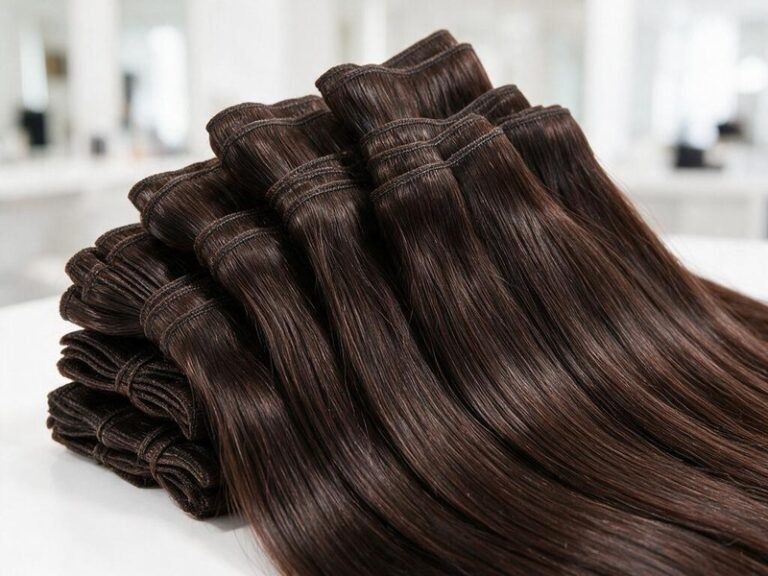
Bulk Human Hair for Braiding: Pricing, Quality & Red Flags Explained
Most US buyers pay $18–$45 per 100-gram bundle for wholesale bulk human hair for braiding; raw, unprocessed single-donor hair runs $60–$90 past 22 inches. That’s loose, weft-free hair braiders feed straight into knotless, box, or micro braids. Here’s what moves the price, how we check quality, and red flags worth walking from.
What is bulk hair, and how is it sold?
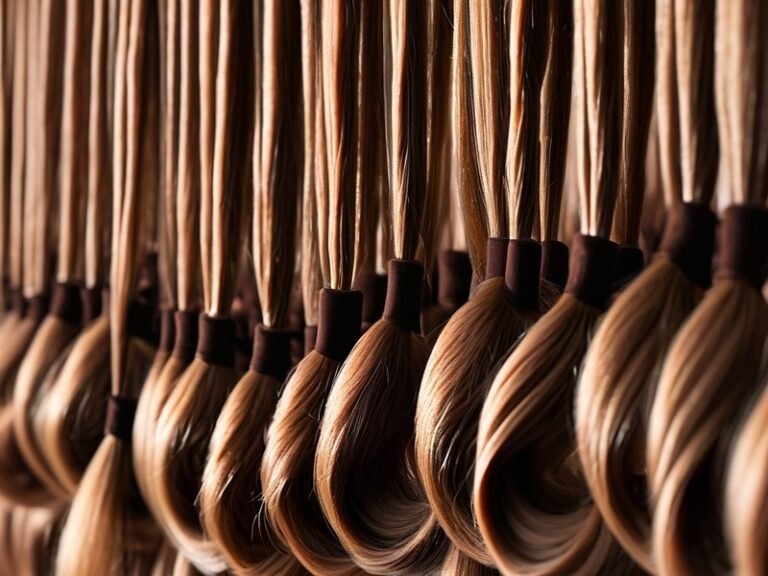
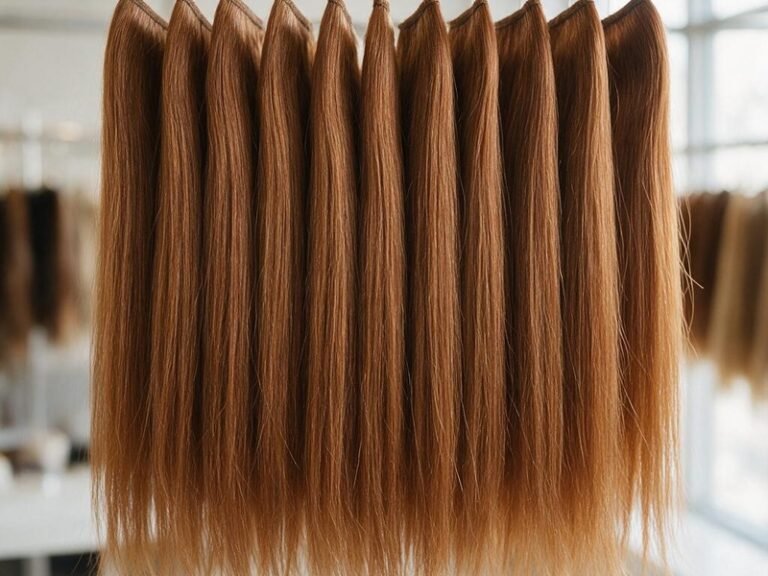
Bulk hair is sold loose by weight, usually 100 grams per bundle in 14–28 inch lengths, with no weft. That’s the opposite of weft hair, which is stitched into a track for sew-ins. Virgin hair means chemically unprocessed hair, while Remy means the cuticles all run the same direction. We call that cuticle aligned hair, and it’s why one bundle tangles and another stays smooth for months. Most listings for bulk hair for braiding show a per-bundle price, MOQ, and a 3–10 day lead time.
What should bulk human hair for braiding cost?
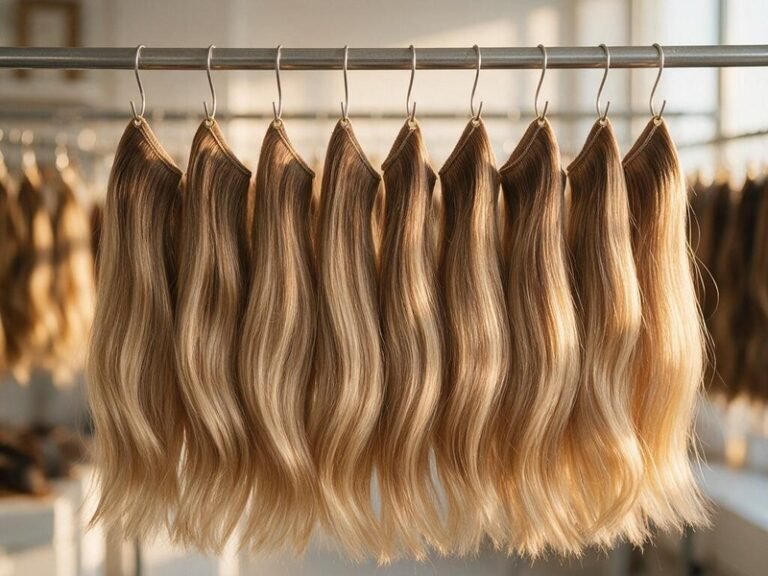
Standard Remy runs $18–$30 at 14–18 inches, $30–$45 at 20–24 inches, and $45–$70 for virgin or longer lengths. Raw single-donor hair is $60–$90 at 24–28 inches, and blonde shades add 15–30 percent. An $8–$12 “100% virgin” 22-inch bundle is almost certainly a synthetic blend, coated fallen hair, or underweight. The same logic applies to body wave bundles, so cross-check quotes across textures. Samples run $5–$15 over wholesale; custom orders need a 30–50 percent deposit.
Quality checks we run before hair ships
- Every bundle gets weighed; a labeled 100 grams under 95 is short-weight and set aside.
- We stroke ends both ways to catch reversed cuticles that feel rough going upward.
- Short-hair ratio over 20 percent means thin ends and braids that turn wispy fast.
- A burn test on a pinch exposes blends: human hair powders, synthetic melts into a ball.
- We wash samples from each batch; hair that tangles after the silicone rinse never ships.
How many bundles do I need for a full head of braids?
Medium knotless or box braids at 18–24 inches usually take 5–7 100-gram bundles. Micro and long boho styles can need 8–10; short bob braids often need just 4. Plan on 500–700 grams total, plus one or two bundles for length past the bra strap. Order 10–15 percent extra from the same batch; matching texture two weeks later is a gamble. For salon stock, start with 16, 20, and 24 inches—they move fastest.
Red flags that usually mean trouble
The first is a price below these ranges, paired with stock photos the seller won’t show live. Heavy silicone shine and chemical smells hide reversed cuticles until the first shampoo, then matting starts. Vendors refusing samples or gram weights, or demanding friends-and-family payment, are protecting themselves. Label swapping is common; acid-washed or pre-permed “virgin” hair won’t take color as clients expect. If you hit these, ask direct questions first; our FAQ page covers what every buyer should know.
Is virgin or Remy bulk hair better for braiding?
Cuticle direction matters more than the label, so honest Remy often beats mislabeled “virgin” hair. Pick virgin if clients bleach to blonde, since unprocessed hair handles chemical work better. For natural-color protective styles, good Remy gives similar wear at a lower cost.
Can human braiding hair be reused?
Yes—cuticle-aligned hair removed carefully usually handles one or two more installs over 12–18 months. Wash and deep-condition after removal, trim dry ends, and store it tied and covered. Coated or blended hair that matted before isn’t worth reinstalling.
If you’re restocking, compare weights and lengths in our shop all hair extensions instead of chasing the cheapest bundle. Order samples, run these checks, and once a batch braids cleanly and clients rebook, that’s a keeper.
Send Us Your Hair Inquiry
Need bulk pricing, samples, or a private-label quote? Fill in the form and our team will get back to you within one business day.