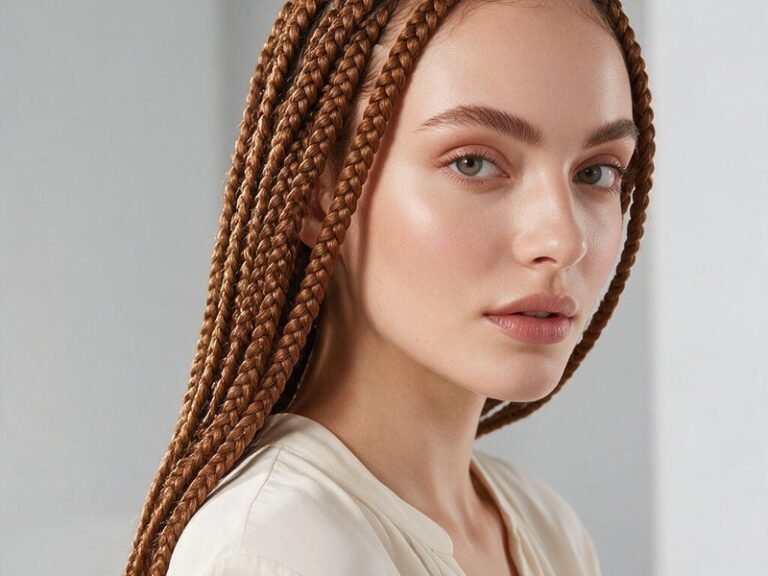
Braiding Hair Human Curls: What Wholesale Buyers Need to Know
For wholesale buyers, braiding human curly hair is usually sold as bulk hair, meaning loose hair without a weft, so stylists can feed it directly into braids, twists, and loc styles. The main decision is not just “curly” versus “straight”: you need to choose the right curl pattern, hair quality, bundle weight, length, and processing level for the customer you serve.
A good wholesale order should give the braider consistent curls, minimal tangling, enough grams per style, and hair that can be washed without turning matted or overly dry. This guide covers what to ask factories, how grades differ, and where buyers commonly lose money with human curly braiding hair.
What Is Human Curly Braiding Hair, and How Is It Different From Weave?
Human curly braiding hair is loose human hair used for knotless braids, boho braids, goddess braids, crochet styles, micro twists, and textured loc extensions. It is usually called bulk hair because it comes without a weft, the stitched horizontal track used for sew-in bundles. Braiders prefer bulk because they can pull small sections without cutting through a track.
Regular curly weave bundles have a weft across the top and are meant for sew-ins, wigs, or some quick-weave methods. If a stylist tries to use wefted hair for feed-in braids, they often have to cut the weft apart, which causes shedding and leaves short, uneven pieces. For bohemian or curly-ended braids, some stylists do use wefted hair intentionally by cutting it, but that is a different product from true bulk braiding hair.
Curly bulk hair can also differ in how the texture is formed. Some curls are natural textures from the donor, while others are steam-processed into patterns such as water wave, deep wave, kinky curly, curly coil, or French curl. Steam-set curls are common and can sell well, but they usually need more moisture and more careful detangling than lightly textured natural hair.
Which Curl Texture Should You Buy for Braiding Styles?
Pick textures based on the finished look, not only the sample photo. Suppliers use texture names loosely, so “water wave” from one factory may look looser or tighter than another factory with the same label. Always confirm the curl by video, sample bundle, and pattern code when ordering repeatedly.
- Water wave: Soft, wet-look curls with a defined S-pattern. It works well for boho braids, goddess braids, and curly ends, but it can loosen after washing if the steam set is weak.
- Deep wave or deep curly: Tighter than water wave with more volume. It is popular for full curly braid styles, but it needs moisture to avoid frizz.
- Kinky curly: A compact coiled texture that blends well with natural hair. Buyers should expect more shrinkage and more visible length difference between pulled and curly states.
- Afro curly or coily bulk: Best for loc extensions, twist styles, and highly textured looks. Check coil size carefully because patterns from 3a to 4c-looking textures are not standardized.
- Jerry curly or French curly: These names vary by supplier. Treat them as factory-specific patterns and request visual confirmation before placing a full wholesale order.
- Body wave or loose wave: Better for clients who want soft movement rather than a pronounced curl. It may not give enough definition in a braid if the hair is cut short.
For salon wholesale, a practical starting inventory is water wave, deep wave, and kinky curly in the lengths that stylists use most, often 18 to 26 inches. Very long curly bulk, such as 28 to 30 inches, costs more and tangles more easily because the ends have seen more handling. It can still sell, but new buyers should test it before stocking deeply.
Virgin, Remy, Raw, or Cuticle Aligned: What Grade Really Means for Curly Bulk Hair
These terms are often used inconsistently, so ask for definitions instead of assuming the label guarantees quality. Virgin hair generally means hair that has not been chemically processed, such as dyed, permed, or relaxed. Remy means the hair roots and tips are kept mostly in the same direction, which reduces tangling. Raw hair usually means unprocessed donor hair with minimal steam or texture treatment. Cuticle aligned means the hair cuticles face the same direction, from root to tip.
For braiding hair human curls, cuticle alignment matters because braided styles stay in for weeks. If cuticles run in opposite directions, the hair can lock against itself, especially after shampooing, leave-in product, or exposure to pool water. Non-Remy mixed hair may look good out of the package but become difficult for the stylist and client after a few washes.
However, “100% virgin curly bulk” does not automatically mean the curl is natural. Some virgin hair is steamed into a curly pattern without chemical processing. That is normal, but it changes expectations: the curl may loosen with heat, repeated washing, or heavy products. If you sell the hair as “natural curl,” ask the supplier whether the curl is donor-natural or steam-formed.
Raw curly hair is usually the highest-priced option and can have more natural variation in texture, color, and curl consistency. That variation is authentic, but it can be frustrating if your customers expect every bundle to match perfectly. Steam-processed cuticle aligned Remy hair gives more uniform curls and easier inventory control, making it a common middle option for salons and resellers.
How Much Curly Braiding Hair Does a Client Need?
Most human hair bulk bundles are packed around 100 grams, although some factories offer 50-gram, 70-gram, or 1-pound bags. Always order by gram weight, not by bundle appearance, because curly hair looks fuller while hanging on the table. A 100-gram bundle of kinky curly may look thick but contain less visible length because of shrinkage.
For boho braids or goddess braids with curly pieces added mainly at the ends, clients may need 2 to 4 ounces of human curly hair, roughly 50 to 115 grams, depending on braid size and how many curly strands are used. For fuller human-hair knotless braids where most of the braid contains human bulk hair, a stylist may use 150 to 300 grams or more. Long, small, or very full styles can require 300 grams and up.
Wholesale buyers should give salons guidance but avoid promising one universal number. Braid size, head size, desired thickness, hair length, curl shrinkage, and whether synthetic braiding hair is also used all change the amount. A safer product page can state the gram weight and give a range, then recommend that stylists do a test style before buying for a full appointment book.
If you sell retail packs, consider offering 50-gram and 100-gram options. Smaller packs let buyers try textures without high cost, while 100-gram packs are better for repeat stylists. For large salon accounts, half-pound or kilogram bulk packaging can lower packaging cost, but quality inspection becomes more important because one badly matched batch can affect many clients.
What Quality Checks Should Wholesale Buyers Request Before Paying a Deposit?
Start with a paid sample in the exact texture, length, and color you plan to stock. Photos under salon lights can hide dry ends, weak curl recovery, and mixed curl patterns. Your sample check should include wetting the hair, detangling gently from ends to roots, air-drying, and measuring how much the curls reform.
Pull test the hair lightly. A few shed strands are normal in loose bulk because there is no weft holding the hair together, but excessive breakage, short pieces, or brittle ends are warning signs. Run fingers through the hair after it dries; if it tangles immediately or feels cotton-like, the batch may be overprocessed or poorly sorted.
Check the length correctly. Curly hair should be measured when the strand is pulled straight, not while it is coiled. A labeled 22-inch kinky curly bundle may appear closer to 16 to 18 inches in its natural spring state. Explain shrinkage clearly to customers, because length complaints are common with curly bulk hair.
Color consistency matters too. Natural black and natural brown can vary between batches, especially with raw or lightly processed hair. If you need exact color matching for a salon chain or subscription sales, set acceptable limits with the factory and request batch photos. For dyed orders such as #1, #1B, #2, #4, #27, #30, or #99J, confirm whether the hair can be bleached and whether the curl pattern survives coloring.
Is Human Curly Braiding Hair Better Than Synthetic for Salon Clients?
Human hair gives a more natural feel, better movement, and more styling flexibility. It can usually be washed, deep-conditioned, roller-set, and sometimes heat-styled depending on the texture and processing. Clients who want a realistic boho look or plan to keep curly ends visible often prefer human hair because it looks less shiny and moves more like natural texture.
The downside is cost. Human curly braiding hair is significantly more expensive than synthetic, and long styles can require several bundles. It also requires more maintenance: curly human hair can dry out, tangle, frizz, or lose definition if clients use heavy gels, do not detangle, or sleep without protection.
Synthetic hair is cheaper, holds a factory curl very well, and can be easier to stock in bright colors. But it may feel less natural, tangle from friction, melt under high heat, and cannot usually be refreshed the same way human hair can. Many stylists solve the cost issue by blending synthetic braiding hair for the main braid with human curly bulk at the ends or selected curly strands.
For wholesale positioning, human curly bulk is strongest for premium services, clients with texture-sensitive scalps, natural-hair salons, special events, and buyers who want reusable hair. It does not have to be the only product you carry. Offering both value synthetic and premium human options helps the stylist choose based on budget and style.
What MOQs, Lead Times, and Pricing Terms Should You Expect?
Minimum order quantities, or MOQs, vary by supplier and customization level. Stock natural black curly bulk hair may have a low MOQ, sometimes 10 to 50 bundles, while custom colors, custom labels, special curl patterns, or raw unprocessed textures may require 50 to 200 bundles or more. Small buyers should start with stock textures before asking the factory to develop a private-label pattern.
Lead times depend on stock versus custom production. In-stock bulk hair can ship in a few days, while steam-set textures, color processing, label printing, and custom packaging may take 2 to 6 weeks. Peak seasons, such as spring break, wedding season, back-to-school, and winter holidays, can create delays, so salon suppliers should place repeat orders early.
Pricing is affected by origin, length, hair quality, yield, curl type, color, and packaging. Long raw curly hair costs much more than shorter steam-processed Remy bulk because longer healthy donor hair is limited. If a quote seems unusually low for 26-inch raw curly bulk, check for mixed animal hair, synthetic fibers, short hair fillers, coated hair, or non-Remy material.
Ask suppliers to quote by total weight and bundle count, not just price per piece. A cheaper 50-gram pack is not actually cheaper than a 100-gram pack unless the grams, length, and quality match. Also clarify shipping terms, replacement policy, whether customs fees are included, and how the factory handles batch differences before scaling your orders.
How Should Buyers Compare Bulk Hair Samples Without Wasting Money?
Order samples from two or three suppliers at the same time and test them under the same conditions. Use the same labeled length, same approximate gram weight, same color, and same curl category. This makes the comparison fair instead of judging a 100-gram deep wave against a 50-gram kinky curly sample.
Wash each sample with a gentle sulfate-free cleanser, condition it, and let it air dry without heavy products. Notice whether the curls clump naturally, whether the ends become frizzy, and whether the hair returns to the same pattern after drying. A light steam-set texture may loosen somewhat, which is acceptable if you disclose it, but a curl that completely stretches out is not suitable for repeat sales.
Have an experienced braider test the hair in a real style. Office samples can look neat, but braiders notice whether the hair slides well, catches as it is fed into braids, creates flyaways, or feels too slippery. Their feedback is often more valuable than a factory grade name. Ask them to rate tangling, curl definition, ease of braiding, end quality, and how the hair feels after shampooing.
Keep a sample card or texture log for each factory. Record the supplier name, batch date, texture code, gram weight, length, price, steam setting if provided, wash results, and braider notes. When you reorder, the factory can match the code, and you will have evidence if a later batch is drier, looser, or mixed differently.
How Can Stores Reduce Tangling Complaints With Curly Human Braiding Hair?
Tangling complaints often come from a mix of product quality and client maintenance. Start by selling hair that is cuticle aligned and properly sorted, because no care guide can fix badly reversed cuticles. Then give clear aftercare instructions at purchase, especially for boho braids with loose curly ends.
Clients should sleep with a satin or silk scarf, bonnet, or pillowcase. They should avoid soaking the curls daily, use lightweight moisturizing products rather than heavy waxes, and gently finger-detangle curly ends while damp. A mousse or light curl cream can help definition, but product buildup can make curly human hair stiff and matted over time.
Stylists should also avoid sealing human curly ends with excessive heat or cutting the hair with dull scissors, which can create split ends. If the hair is used in long goddess braids, the loose curly sections should be maintained separately from the braided base. Customers need to understand that a protective style does not mean the exposed human curls require zero care.
Packaging inserts help reduce returns. Keep instructions simple: wash gently, detangle from ends upward, moisturize lightly, protect at night, and avoid prolonged chlorine or saltwater without rinsing. If you sell premium raw curly hair, include a note that natural texture variation and shrinkage are normal characteristics, not defects.
FAQ
Can braiders use regular curly weave bundles instead of bulk hair?
Yes, some stylists cut wefted curly bundles for boho braids or curly ends, but it is not the same as bulk hair. Cutting the weft can create shedding and shorter pieces, so it works best for accent curls rather than full feed-in braiding. For repeated salon use, true bulk human hair is easier to control and usually causes less waste.
How many grams of human curly braiding hair should I sell for one style?
For curly accents or boho ends, 50 to 115 grams is often enough, while fuller styles may need 150 to 300 grams or more. The exact amount depends on braid size, length, head size, curl pattern, and how dense the client wants the style. Always list gram weight clearly and encourage stylists to test the hair before scheduling multiple clients.
Ready to Source Braiding Hair Human Curls the Right Way?
If you are stocking a salon, braiding studio, or hair brand, start with a small sample order in water wave, deep wave, and kinky curly before committing to custom labels or large volumes. Tell us your target price, bundle grams, lengths, and preferred textures, and we can help you build a wholesale curly bulk hair assortment with realistic quality and lead times.
If you want the full background before you order, our guide on Braiding Hair Human Hair Straight: What Wholesale Buyers Need to Know walks through it in plain terms.
Send Us Your Hair Inquiry
Need bulk pricing, samples, or a private-label quote? Fill in the form and our team will get back to you within one business day.