Best Weft Hair Extensions Brand for Resale: What Salon Owners Should Know
The best weft hair extensions brand for resale is usually a reliable wholesale or private-label supplier, not the loudest social-media name. Choose one with cuticle-aligned human hair, accurate 100-gram weights, steady lead times, and repeatable batches. Here’s what to check before you tie up cash in inventory.
What type of weft hair is best for resale?
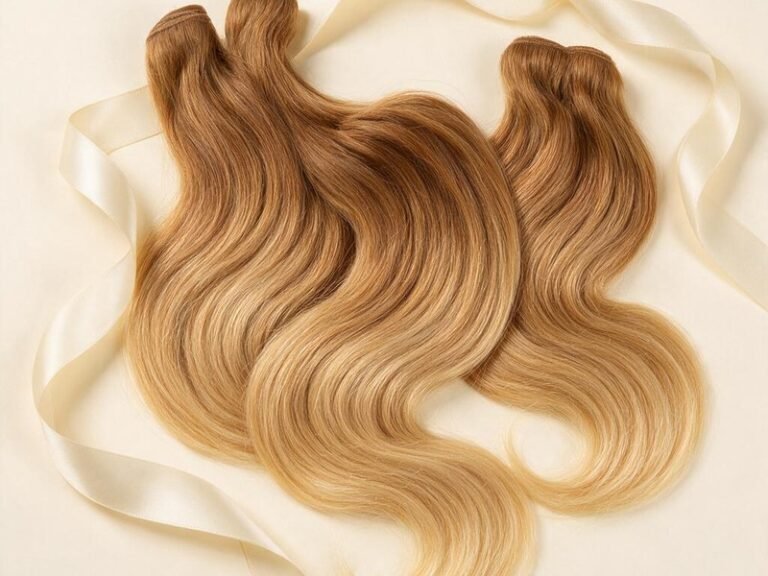
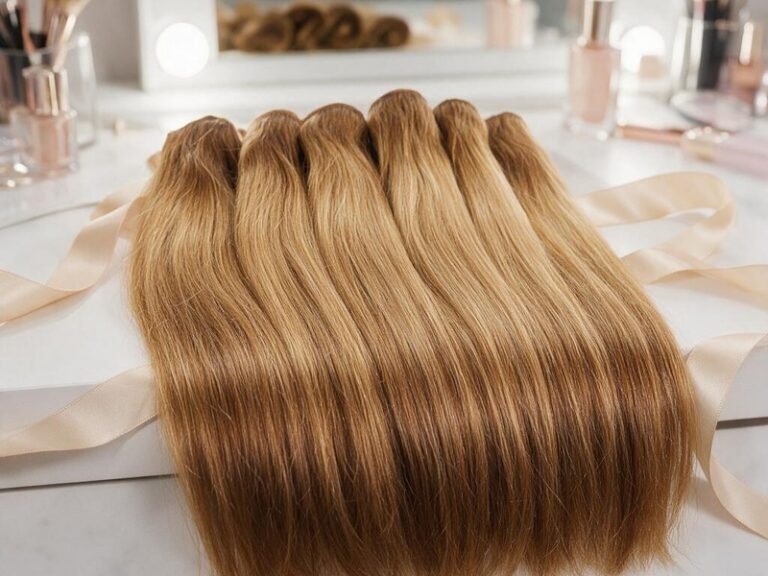
A weft is hair sewn onto a horizontal track for sew-ins or beaded rows. Start with Remy hair, meaning strands stay root-to-tip so cuticles face one direction and tangle less; for premium clients, choose virgin hair that has never been colored, permed, or coated. Skip bundles that feel buttery from the bag, since silicone washes out and leaves tangles. A solid weft hair supplier will share origin, processing, texture, and gram weight instead of just labeling hair 10A.
How do you test weft quality before a large order?
Test samples before a large order: wash and air-dry them, inspect stitching, pull the track lightly, and watch for shedding. Ask whether the hair is cuticle aligned, meaning the outer scales all run the same way. Expect a standard bundle near 100 grams in 10 to 30 inches; cheap “double grams” claims deserve scrutiny. A clear FAQ page should list weights, processing, shipping, and return rules up front.
What should your first weft hair resale order look like?
Start with natural black in straight or body wave, mainly 12 to 18 inches; those move faster than long blondes or odd curls. Most full sew-ins need three 100-gram bundles, while 20 inches or major fullness usually needs four. Stock orders often ship in 7 to 10 business days, but custom labels or colors can take 3 to 6 weeks. Ask about the minimum order quantity, or MOQ, because samples may be low while private-label orders start at 50 to 100 pieces.
Can you actually make money reselling wefts?
Decent machine-tied Remy wefts often cost $20 to $45 wholesale per bundle; cleaner virgin or hand-tied hair runs $50 to $95. Salons commonly resell them for $80 to $200 depending on length and fullness, putting gross margins around 50 to 65 percent. Remember to count samples, shipping, color rings, labels, and dead stock. The real money often comes from keeping the install appointment in-house instead of letting clients bring mystery hair.
Should you carry other extension types alongside wefts?
Wefts anchor sew-ins, but tape-in hair uses thin adhesive panels and suits clients wanting less bulk or faster appointments. If you add it, read the guide to tape for tape-in hair extensions, because bad tape causes more complaints than the hair. Match your tape-in hair to the same color ring and quality standard as your wefts. Start small, then reorder only when stylists repeatedly request those shades.
Machine-tied or hand-tied wefts: which is better for resale?
Machine-tied wefts are thicker, sturdier, and cheaper, so they’re safer general salon inventory. Hand-tied wefts lie flatter but cost more and can tear if pierced or cut wrong. Stock machine-tied first and special-order hand-tied for premium clients.
How many bundles should I keep in stock?
Most sew-ins need three 100-gram bundles; 20-inch or fuller styles often need four. For opening stock, buy 3 to 5 bundles per core length in 12 to 18 inches. Keep an extra 16 or 18 inch bundle for emergency fills.
Order samples, wash them, and put them on a test head or a model before you buy a full wall of hair. Once a weft survives shampoo, brushing, and a busy Saturday in your salon, reorder the core lengths and talk to your supplier about private labeling.
Send Us Your Hair Inquiry
Need bulk pricing, samples, or a private-label quote? Fill in the form and our team will get back to you within one business day.