Best Bob Wigs for Resale: What Salon Owners Should Know
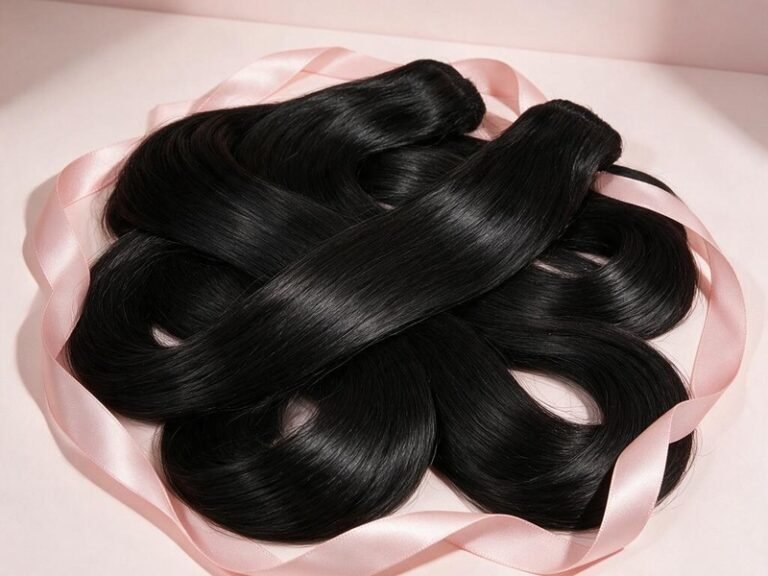
The best bob wigs for resale are human-hair lace units in 10–14 inches, 150–180% density (how full the cap is packed with hair), mostly natural black with a few brown options. They sell because the price is easier for clients, the hair tangles less, and one unit fits many face shapes. Here’s what I’d inspect before you commit to a wholesale order.
What lengths and densities make the best bob wigs for resale?
For most US salons, 10–12 inch bobs are the core: chin or neck length, easy to silk press, and less prone to stringy ends. Density means fullness; a 10-inch 150% unit often weighs 130–150 grams, while a 14-inch 180% unit can hit 180–200 grams. Start with 150% for a natural look and 180% for blunt cuts; 200% can look helmet-like on smaller heads. Keep 14 inch available, but don’t overstock it unless clients ask for shoulder-grazing length.
Which lace type should you stock: closure or frontal?
A lace-front wig has lace across the front hairline; a closure is a 4×4 crown piece for limited parting, while a frontal is a 13×4 ear-to-ear strip. Closure bobs install faster, need less customization, and usually cost $15–$30 less at wholesale. Frontal bobs allow deeper parts and baby hairs, but they require more skill, adhesive, and client education. A safe opening mix is 70% closure and 30% frontal; glueless units use bands and combs instead of glue, so test tension first.
Hair quality: virgin, Remy, and the wording in between
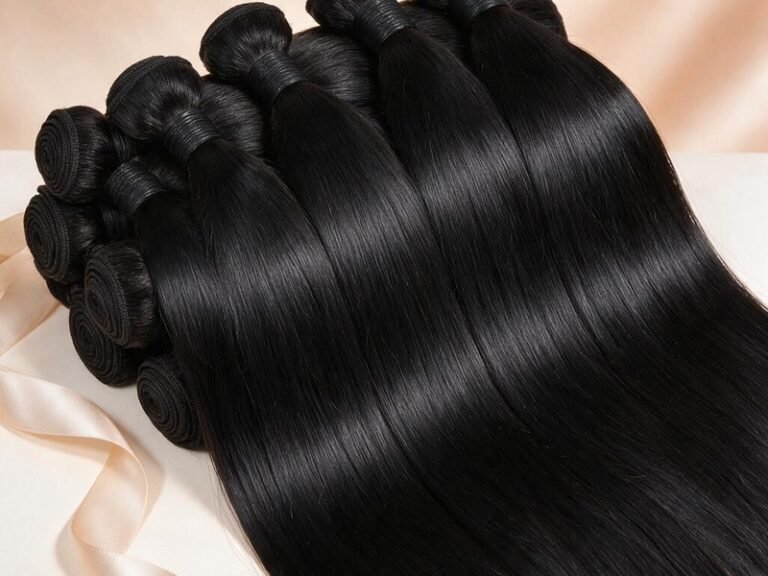
Virgin hair is unprocessed human hair with intact cuticles; Remy means cuticles run one direction, even if lightly treated. Cuticle aligned means the outer scales all point one way, which helps prevent nape matting. A 100% human-hair bob costs more but washes, curls, and recolors more predictably than a human-hair blend. We see buyers chase the cheapest quote, then fight shedding after one shampoo; this lace front wig resale guide covers the same checks for longer units.
How do you test samples before a bulk order?
Order two or three samples first, even when MOQ (minimum order quantity) is 10–30 pieces per style. Measure stretched length, weigh the hair, inspect knots, and wash it twice to check shedding. Fit it on a 21.5–22.5 inch mannequin head and ensure the elastic band doesn’t pull at the edges. A wig isn’t bulk hair for braiding; stock units can ship in 7–15 days, while custom colors take 25–40 days.
Pricing, inventory, and buyer FAQs
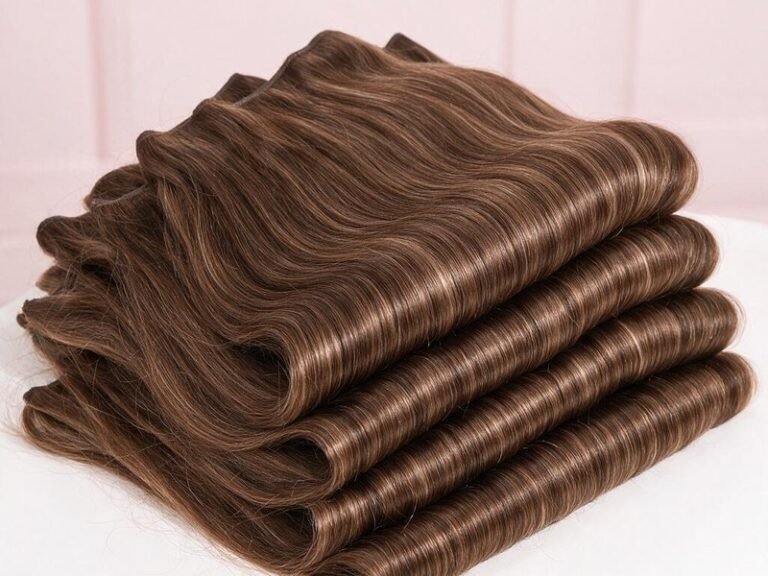
Decent human-hair bob wigs cost $60–$120 wholesale and commonly retail for $150–$300, depending on lace and length. Start narrow: natural black, three lengths, one or two brown shades, and mostly closure units. Fashion colors pop online, but one pink bob can sit for months in a conservative area. If you’re comparing terms, our bulk hair buying comparison covers deposits and MOQs, and the FAQ page has lead-time basics.
Are bob wigs easier to resell than long wigs?
Usually, yes: bobs cost less, dry faster, and tangle less for first-time wig buyers. They also let clients try a sharp cut without changing their own hair. Check consultation requests first, though, because some markets want 20-inch waves.
What’s a reasonable first bob wig order?
Sample first, then order 10–20 pieces across 10, 12, and 14 inches. Keep about 70% natural black closure caps, and add frontal or brown units only from preorders. Reorder sellers every two to three weeks instead of tying cash in slow colors.
Pick two or three sample bobs that fit your clients’ styling habits, wash and install them, and check the hairline and nape after a week. Then message your supplier with exact lengths, densities, and cap specs, and place a small test order before your next busy season.
Send Us Your Hair Inquiry
Need bulk pricing, samples, or a private-label quote? Fill in the form and our team will get back to you within one business day.