Ashine Water Wave Hair Bundles: How to Choose a Reliable Supplier
Choose a reliable supplier for Ashine water wave hair bundles by testing samples, confirming cuticle-aligned hair (cuticles intact, one direction), checking weight and curl consistency, and getting minimum order quantity (MOQ), lead time, and return terms in writing. Listing photos tell you very little; the sample shows if the curl pattern survives washing and if clients will repurchase. Here’s what I’d check before ordering bulk.
What should a water wave sample actually tell you?
Order samples in lengths you sell—18, 22, and 26 inches works. A standard bundle should weigh 100 grams (3.5 ounces); a noticeably lighter bundle is suspect. Wash one, air dry it, and check for tangling, crunchy ends, chemical smell, or a pattern that goes straight. If it passes, ask whether the sample cost can apply to your first bulk order. Our sourcing guide lays out the same workflow.
How do you spot consistent cuticle-aligned hair?
Cuticle-aligned hair means the outer cuticles stay intact and run root to end, reducing matting. It should feel smooth downward and slightly grippy upward, but not catch or tangle instantly. Virgin hair means it hasn’t been permed, dyed, or coated; water wave is usually steam-set, so expect that nuance. Ask for a video of the same bundle dry, wet, and combed; photos hide thin ends and mixed cuticles. They should explain collection and batch controls.
Are Ashine water wave hair bundles priced too low?
We see buyers chase the lowest quote, but longer donor hair costs more. As a rough range, 100-gram bundles may run from the high $20s for short lengths to $90-plus at 28 inches, depending on grade. Far-below pricing usually means mixed strands, heavy silicone, non-Remy hair, or underweight bundles. Non-Remy means cuticles come from multiple donors and may face different directions, causing tangles. You can sell budget hair, but don’t call it premium, and test whether weft hair—the stitched track for sew-ins—sheds; cheap returns erase margin.
What needs to be in writing before you pay?
- Exact texture, lengths, bundle count, and 100-gram weight.
- Weft type and any matching top pieces.
- Total price, MOQ, shipping cost, and payment terms.
- Production lead time and delivery window, not “ships fast.”
- Defect policy for wrong lengths, shedding, or pattern errors.
How can you tell support will be there after payment?
Notice service before the invoice; that’s their best behavior. Ask who handles issues, what evidence you need, and whether defects are replaced, credited, or returned at their cost. A fair policy won’t cover cut, colored, or installed hair, but should cover wrong lengths, bad wefts, or clearly wrong patterns. If you order bulk hair for multiple locations, ask how long the wave stays available for matching reorders. Check the FAQ page, then get missing answers in writing.
How many bundles do I need for a full sew-in?
For a full sew-in—wefts sewn onto braided foundation—most need three bundles for 12–18 inches and four for 20–28 inches. A closure is a small piece that finishes the crown or hairline without leave-out, and it may reduce the hair needed at the front. Add one bundle for long lengths or a thick, blunt finish.
Will the wave pattern stay consistent after washing?
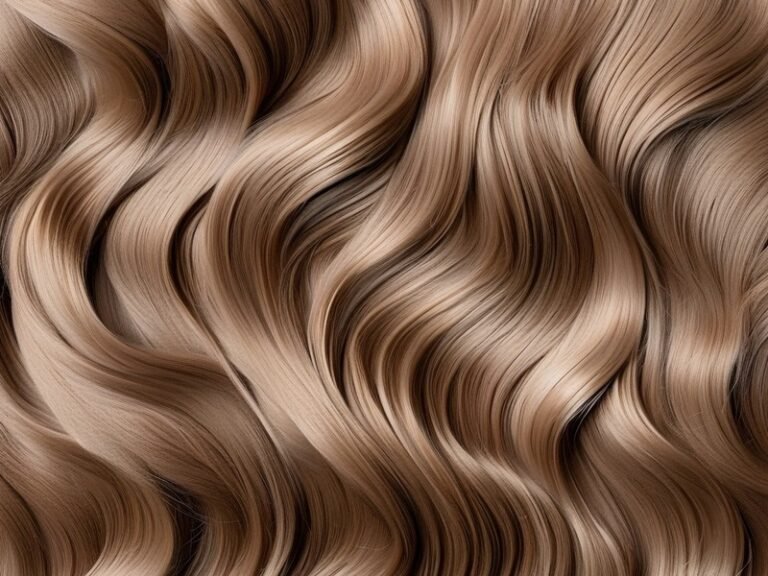
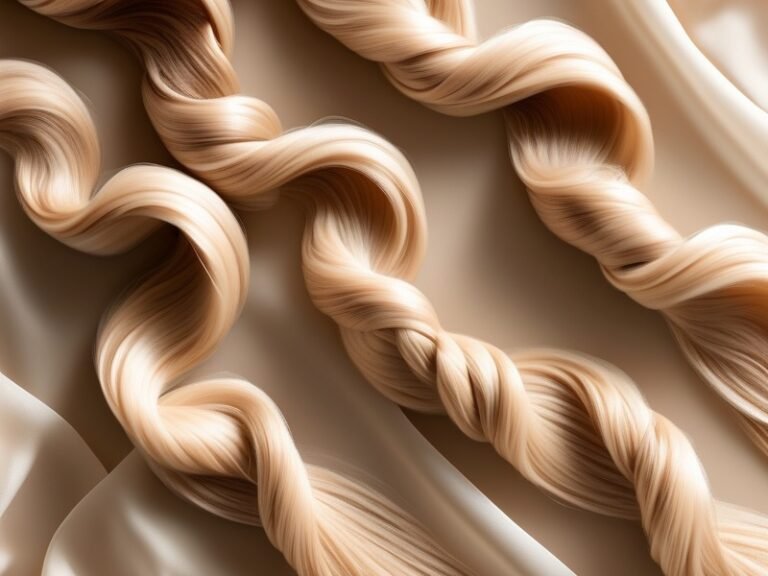
Quality water wave should curl back after wetting and air-drying, though it can loosen with heat or product buildup. Clients should use gentle products and avoid heavy oils or repeated heat to retain the pattern. If a sample turns straight, frizzy, or stringy after one wash, don’t buy that batch.
Once samples pass and terms are clear, place a small first order instead of spending your whole budget. Track shedding, curl return, and feedback, then scale up only when reorders stay consistent.
Send Us Your Hair Inquiry
Need bulk pricing, samples, or a private-label quote? Fill in the form and our team will get back to you within one business day.