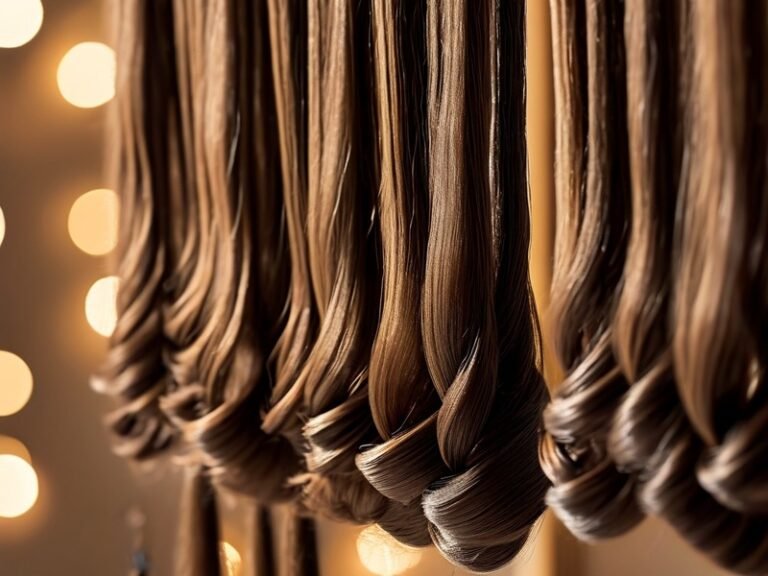
Brazilian Deep Wave 4 Bundles with Closure: What Wholesale Buyers Need to Know
A Brazilian deep wave 4 bundles with closure is a common wholesale set because it can cover a full sewn-in style for most customers, but only if the hair quality, lengths, closure size, and curl pattern match. For B2B buyers, the real decision is not just “Brazilian” labeling; it is whether the bundles are truly human hair, properly constructed, and consistent enough to resell without causing install problems.
This guide walks through what salon owners, braiders, vendors, and new resellers should check before placing a bulk order. A closure is a small lace or silk-based piece used at the top or crown to close the install without leaving natural hair out, and a weft is the stitched track that bundles are sewn onto.
What Does a Brazilian Deep Wave 4 Bundles with Closure Usually Include?
A standard set usually includes four bundles of deep wave human hair and one matching closure. Most wholesale listings use bundles around 95–105 grams each, with 100 grams being common, so the full set is often 380–420 grams of hair before the closure weight. That can sound like a lot, but curly and deep wave hair loses visual fullness because the curl pulls the length inward.
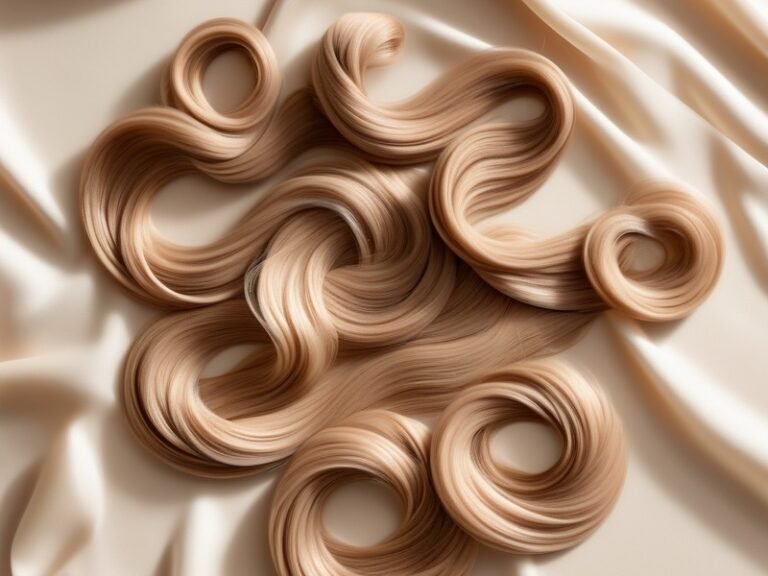
Deep wave is not the same as water wave, loose wave, or curly. Deep wave usually has a tighter, uniform S-shaped pattern with more body and bounce than loose wave, but it is generally less tightly coiled than a kinky curly. Buyers should ask the vendor for current batch videos because suppliers sometimes use the term differently, especially across factories in China, Brazil, Vietnam, and India.
The word “Brazilian” in wholesale hair often describes a market name, texture category, or donor-origin label, not necessarily proof that the hair passed through Brazil. Some factories sell processed Chinese or Indian hair under Brazilian style names. If origin matters to your brand, request paperwork, batch information, and a clear definition of what the supplier means by Brazilian hair.
A typical closure is 4×4 inches, but some sets offer 5×5, 6×6, or 2×6 kimono-style closures. A frontal is different: it runs ear to ear, usually 13×4 inches, and covers the entire front hairline. Four bundles with a closure is usually more conservative and easier for everyday installs; four bundles with a frontal may require more styling skill and more lace maintenance.
How Do You Choose the Right Bundle Lengths and Closure for Resale?
The safest starter inventory is not always four bundles of the same length. Most stylists use longer bundles at the top or front and shorter bundles through the sides and back, such as 18, 20, 22, and 24 inches with a matching 18- or 20-inch closure. The closure length usually matches the shortest or middle bundle so the crown blends naturally without looking flat or overly long.
For shoulder-length looks around 12–16 inches, three bundles can sometimes be enough, but four gives resellers more flexibility and helps customers who want a thick finish. From 20–26 inches, four bundles are a practical standard. Past 28 inches, four bundles may still work, but the style can look thin at the ends unless the wefts are dense, the customer has a smaller head, or the install uses a leave-out or a larger closure.
Closure density matters too. Density is the amount of hair knotted into the lace, usually represented as 130%, 150%, or 180%. A 130% closure can look natural and flat, while a 150% closure is a balanced salon choice. Higher density does not automatically mean better; overcrowded lace can make knots look bulky, make the part less realistic, and create puffy roots that are hard to lay.
Wholesale buyers should also check the lace material. HD lace is thinner and can blend across more skin tones, but it is usually more delicate and less forgiving for beginners. Transparent lace is a common middle option, while medium brown lace can work well for deeper complexions but may need tinting for lighter clients. If your customers do their own installs, durable Swiss or transparent lace may generate fewer complaints than ultra-thin HD lace.
Virgin, Remy, Raw, or Cuticle Aligned: Which Terms Actually Matter?
These terms are often used loosely on wholesale hair listings, so buyers should understand them before paying a premium. Virgin hair means the hair has not been chemically processed, colored, permed, or steamed, although some suppliers still call steam-styled curly hair virgin. Remy means the hair strands were collected with the cuticles generally facing the same direction, which should reduce tangling if the claim is honest.
Raw hair usually refers to minimally processed donor hair with no steam-permed pattern. Raw hair can be excellent, but genuine raw deep wave is harder to source because natural donor texture is less uniform. If every “raw deep wave” bundle looks identical from batch to batch, the pattern may actually be steam-processed, even if the hair itself is human.
Cuticle aligned means the outer cuticle layer runs from root to tip in one direction. This is the most useful structural detail because misaligned cuticles catch against each other, causing matting and shedding. Ask your vendor whether the hair is cuticle intact, machine-double-wefted, and processed with an acid wash or silicone coating. Heavy silicone can make hair feel soft during the first wash, then become dry or tangled after the coating washes out.
For a resale product, consistent 100% human hair with aligned cuticles, clean wefts, and controlled processing often gives fewer problems than a vague “12A grade” claim. Grade numbers are not regulated. One vendor’s 10A can be better than another supplier’s 12A, so base quality control on samples, wash tests, bleach tests, weft strength, and batch consistency rather than the number printed on a package.
What Quality Checks Should You Do Before Placing a Wholesale Order?
Always order a sample set before committing to a larger B2B order. You want to test the exact Brazilian deep wave 4 bundles with closure configuration you plan to sell, not a premium sample that differs from production stock. Keep notes by length, batch number, closure size, and shipment date so you can compare future orders.
- Smell and feel: New hair may have a slight factory scent, but a strong chemical, sour, or overly perfumed smell can signal poor processing or heavy silicone.
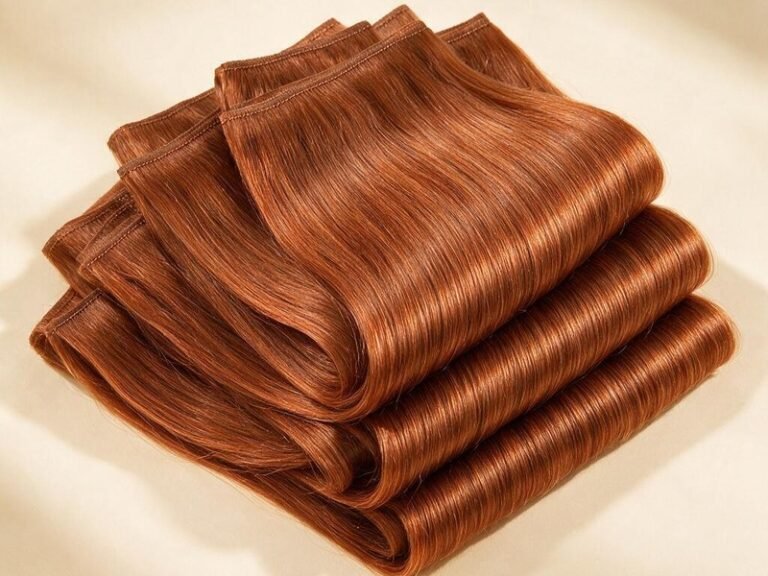
- Weft construction: Pull the weft gently and inspect stitching. Double wefts should be neat, reinforced, and not already shedding or unraveling at the ends.
- Shedding test: Run fingers through the length several times, then comb from ends upward with a wide-tooth comb. A few loose strands are normal; clumps are not.
- Curl return: Wet the hair, let it air dry, and see whether the deep wave pattern returns evenly. Patterns that become limp, frizzy, or stringy after washing create returns.
- Bleach or color test: Test a small hidden section if your clients color hair. Hair that turns unevenly, melts, smells harsh, or becomes gummy is not safe for salon color work.
- Closure knots: Check knot size, bleaching tolerance, ventilation, shedding around the lace, and whether the part looks realistic without obvious black dots.
- Length and weight: Measure pulled-straight length and weigh each bundle. Curly hair should still meet the listed inch length when gently extended, and weights should match the quote.
Do not rely only on vendor photos. Lighting, filters, curling products, and editing can change the pattern. Ask for unboxing videos in natural light, close-ups of the weft and lace, and photos after co-washing. A supplier that refuses batch-specific evidence or pushes only “same as picture” answers may be trading on marketing rather than quality control.
What MOQ, Pricing, and Lead-Time Terms Should B2B Buyers Expect?
MOQ, or minimum order quantity, varies by supplier and customization level. Stock Brazilian deep wave bundles may have a low MOQ, sometimes 1–10 sets, while custom packaging, labeled hair tags, special lengths, custom closure sizes, or colored hair may require 30, 50, or 100+ pieces. Lower MOQ helps new brands test demand, but unit pricing is usually higher and customization may be limited.
When comparing wholesale quotes, compare the complete landed cost, not just the bundle price. Ask whether the closure is included, whether lengths over 22 inches cost extra, what each bundle weighs, whether lace is HD or standard, and whether packaging is included. Shipping, duties, payment fees, insurance, replacement policy, and inspection costs should all be calculated before setting retail prices.
Lead times depend on stock availability and order complexity. In-stock natural black sets may ship in 2–7 business days after quality inspection. Custom lengths, labels, packaging, bleached knots, pre-plucked hairlines, colored hair, or large production runs can take 2–6 weeks, sometimes longer during holiday peaks. Always confirm production lead time and transit time separately.
For recurring sales, ask how the supplier handles batch matching. Deep wave curl patterns can shift because donor hair, steam setting, and processing vary between runs. A reliable vendor should tell you whether a reorder will match the previous pattern, closure lace, bundle color, and hair feel. If you sell subscription boxes, salon installs, or bundle deals online, inconsistent curls are one of the fastest ways to damage reviews.
Common Wholesale Mistakes That Cause Returns and Bad Reviews
One common mistake is choosing four very long bundles without adjusting customer expectations. A 26-, 28-, or 30-inch deep wave set can look glamorous, but curly hair naturally looks shorter and thinner at the ends. Customers who compare the hair straight out of the package to straight bundle photos may claim the length is wrong unless your listing explains that curly hair is measured when pulled straight.
Another mistake is pairing thin bundles with a dense closure. If the closure has 180% density but the bundles are lightweight or tapered heavily, the crown can look bulky while the ends look sparse. For most resale sets, matching medium-density closures with consistent, full wefts gives a more believable finish and fewer blending complaints.
Improper care also causes problems that buyers sometimes mistake for factory defects. Deep wave hair should be detangled gently from the ends, washed in a downward motion, conditioned regularly, and allowed to air dry or diffuse on low heat. Sleeping without a satin bonnet, combing dry curls aggressively, applying heavy grease, or using strong alcohol products can create frizz and tangling even in good hair.
Closure complaints often come from installation and maintenance rather than manufacturing. A closure is not meant to be scratched, lifted, glued aggressively, or bleached too strongly. Stylists should avoid over-plucking the lace, and customers should understand that lace pieces need edge care, gentle washing, and proper nighttime protection. Including a simple care card can reduce unnecessary returns and help clients protect the install.
Frequently Asked Questions
Is 4 Bundles with a Closure Enough for a Full Deep Wave Install?
For most customers, four 95–105 gram bundles with a 4×4 or 5×5 closure are enough for a full sewn-in between 12 and 26 inches. Longer lengths, larger head sizes, very thick natural hair, or a desire for very full ends may require an extra bundle. For 28 inches and longer, ask your stylist or customer about desired fullness before promising that four bundles will be enough.
How Long Does a Brazilian Deep Wave Closure Install Last?
A professional sewn-in with a closure often lasts about 6–10 weeks, depending on natural hair care, scalp maintenance, styling habits, and how the closure was attached. The hair itself can last much longer with gentle washing, deep conditioning, minimal heat, and proper storage, usually multiple installs for good-quality human hair. Lace closures are more delicate than bundles, so thin HD lace may need replacement sooner if handled roughly.
If you are building a resale shelf or salon inventory, start with a sample set and verify texture, wefts, lace, weight, and wash performance before scaling. Send us your target lengths, closure size, and order volume, and we can help you compare stock options that fit your customers and budget.
If you want the full background before you order, our guide on Deep Wave Bundles with Closure: What Wholesale Buyers Need to Know walks through it in plain terms.
Send Us Your Hair Inquiry
Need bulk pricing, samples, or a private-label quote? Fill in the form and our team will get back to you within one business day.