Sourcing Cuticle of the Hair: A Practical Guide for Hair Businesses
If you are buying hair for resale or salon use, the cuticle of the hair is the layer that decides whether the product will stay soft, tangle-free, and natural after washing. The short version: buy cuticle aligned human hair, verify the batch in person, and do not choose a supplier from glossy photos alone.
Many vendors use the words “virgin,” “Remy,” and “raw” loosely, so those labels do not protect your business by themselves. This guide explains what the hair cuticle is, how to inspect it, and how to source stock without overpaying or getting stuck with a bad batch.
What Exactly Is the Cuticle of the Hair?
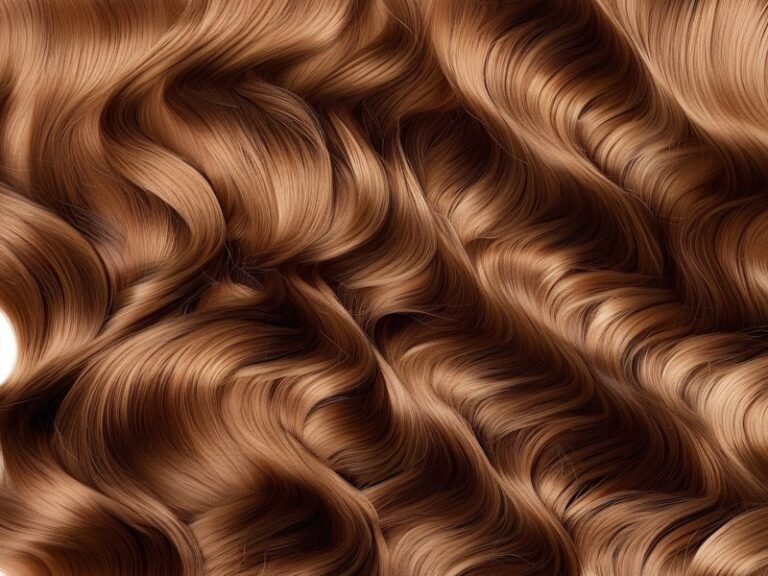
The cuticle is the outer protective layer of each human hair strand. Under magnification, healthy cuticles look like overlapping scales or shingles. When those scales lie flat and run in the same direction from root to tip, the hair is usually easier to comb, less likely to mat, and safer to color or heat-style.
Cuticle aligned hair means the strands in the bundle have been kept or sorted so the root ends and tip ends face the same direction. This matters because hair rubbed against the natural grain can catch, tangle, and feel rough, even if it is 100% human hair. Alignment is a processing and sorting standard, not just a marketing phrase.
Remy hair usually means the hair strands are oriented root-to-tip, but the term is not consistently enforced. Some Remy hair has been lightly processed, and some lower-grade batches labeled Remy may contain reversed strands. Virgin hair means hair that has not been chemically treated, colored, permed, or relaxed, while raw hair usually describes minimally processed donor hair with a more natural texture and less steam finishing.
Raw, virgin, and Remy are not interchangeable. You can have virgin hair that is poorly aligned, and you can have Remy hair that has been processed. For a business, the real question is whether the cuticles are present, healthy, aligned, and consistent from bundle to bundle.
Why Hair Cuticles Matter for Extensions and Installs
Healthy cuticles help hair shed less, resist tangling, and behave more predictably after shampooing. They also help the hair accept color more evenly, which matters if your salon offers custom coloring or if clients like balayage and highlights. An install is the method used to attach extensions, such as sewing in a bundle, applying tape-ins, or fusing keratin tips.
If cuticles are missing, stripped, or running in opposite directions, the hair may look beautiful on arrival but become difficult after the first wash. Complaints often show up as matting at the nape, knotting after conditioning, dry ends, excessive shedding, or clumping when wet. Those returns can hurt your reputation faster than a slightly higher wholesale price hurts your margin.
Cuticle quality also changes how you should match products to clients. Raw cuticle hair often has natural movement and may come in limited lengths and textures because it is less standardized. Steam-processed or texture-controlled bundles can be more uniform, but heavy processing can weaken cuticles and shorten wear time.
For salons and braiders, cuticle quality affects installation time too. Hair that tangles constantly is harder to comb, braid, sew, and maintain. For vendors and resellers, it affects repeat orders, reviews, and the number of customer-service messages you receive after every drop.
How Do I Check Cuticle Aligned Hair Before Ordering?
Start with a sample order, not a large wholesale purchase. One or two sample bundles, a closure, and a frontal should be enough to test the product you plan to sell. A closure is a small lace or silk piece with hand-knotted hair, usually 4×4, 5×5, or 6×6 inches, while a frontal is a wider piece that runs from ear to ear.
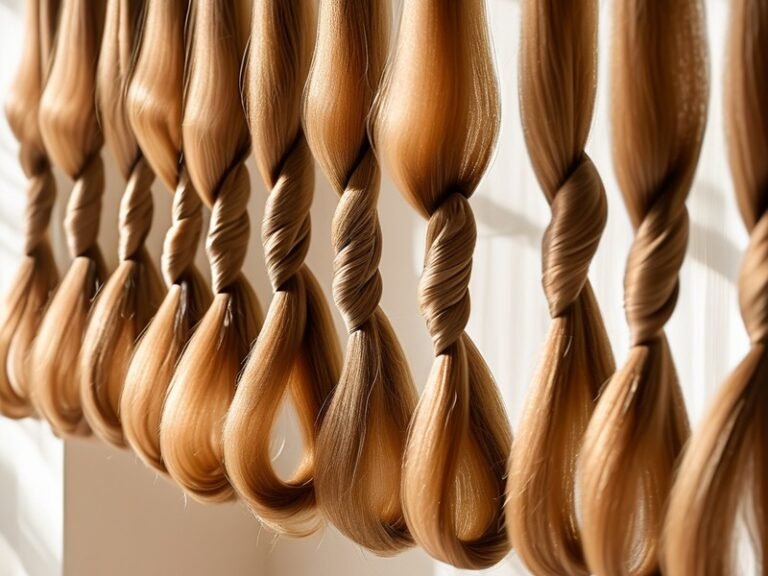
Run your fingers from the top of the weft toward the ends, then reverse direction from ends toward root. Hair should feel smoother going with the grain. If it feels rough or catches in both directions, the strands may be mixed or inverted. A weft is the stitched track that holds bundle hair together.
Wet the hair and shampoo it two or three times with a gentle sulfate-free shampoo. Do not use heavy oils or silicone products before testing, because silicone can temporarily coat dry hair and hide cuticle damage. After washing, comb from ends upward, let it air dry, and note tangling, shedding, springback, and whether the texture changes.
If possible, inspect a few strands under a microscope or a jeweler’s loupe. Intact cuticles show ridged, scale-like edges. Hair with a glassy, perfectly smooth surface may be coated or stripped. This test is not laboratory grading, but it helps separate strong hair from heavily processed stock.
A practical pre-order checklist:
- Order samples first: test 12–14 inch and 22–26 inch lengths because longer hair reveals dry ends faster.
- Check the grain: hair should feel smoother root-to-tip than tip-to-root.
- Wash before judging: shampoo several times to remove temporary softness from coatings.
- Measure shedding: a few loose strands from a new weft is normal; continued clumps are not.
- Verify weight: standard bundles are often around 100 grams, so compare grams, not just bundle thickness.
- Test color lifting: only if you plan to sell colorable hair; ask the supplier what processing level is realistic.
- Keep records: save supplier name, batch number, texture, length, and wash-test results for every sample.
What Should I Ask a Wholesale Hair Supplier?
Ask direct questions and judge the supplier by how specifically they answer. A trustworthy factory or exporter should be able to discuss donor sourcing, alignment method, processing, texture matching, moisture level, bundle weight, and defect handling. If every answer is “100% best quality” with no details, keep looking.
Ask whether the hair is raw, virgin, Remy, or non-Remy, and request those terms in the proforma invoice. Ask if the hair has been steam-textured, dyed, silicone-treated, or acid-washed. Also ask whether all pieces in a set—bundles, closure, and frontal—come from similar donor hair and can be matched in texture and color.
Find out the standard weight per bundle and whether closures and frontals use the same hair grade. Bundle hair is often sold around 95–110 grams per piece, while lace pieces may be measured differently by hair length and density, meaning how much hair is knotted into the lace. Do not assume a thicker-looking bundle contains more usable hair.
For extension methods beyond bundles, ask construction questions. Tape-in extensions use adhesive wefts applied close to the scalp, k-tip extensions use individual keratin-bonded strands, and bulk hair is loose hair without a weft, commonly used for braiding or custom bond work. Each product needs different cuticle quality controls, so do not assume a good bundle vendor automatically produces good tape-ins.
Ask for recent batch photos and videos under natural light, not only studio photos. Request a video showing wet combing, finger combing from roots to ends, and the back of the weft. A supplier who refuses basic verification may be reselling mixed stock or may not have enough quality control to support a repeatable brand.
What Are Common Red Flags When Sourcing Cuticle Hair?
The biggest red flag is price that seems too good across every length. Long hair costs more because donors with healthy 24–30 inch hair are less common. If a supplier sells every length at nearly the same low price, the hair may be mixed, short-filled, heavily coated, or not genuinely cuticle aligned.
Be careful with exaggerated claims such as “no tangle forever,” “no shedding,” or “lasts five years.” Even excellent human hair can tangle from product buildup, poor installation, chlorine, sleeping without protection, or infrequent maintenance. A responsible supplier talks about expected wear time and care habits instead of promising perfect performance.
Watch for inconsistent texture within the same set. Bundles can be bouncy and silky while the closure is flat, overly shiny, or coarser because the pieces came from different sources. That mismatch becomes obvious after washing and styling. For your brand, set consistency may matter more than buying the cheapest separate pieces.
Another warning sign is heavy silicone slip. Hair that feels unnaturally slick out of the package may become dry once the coating washes away. Strong chemical odor, excessive flyaway short hairs, visible reversed strands, thin wefts, and large knots near the lace knots are also reasons to pause before ordering in volume.
Finally, be cautious when a supplier changes grade names every month or refuses written specifications. Grade numbers and fancy product names are not universal standards. Build your orders around measurable details: origin type, hair composition, alignment, weight, length, texture, processing, lace type, density, MOQ, lead time, and defect policy.
How Do MOQs, Lead Times, and Pricing Work for Hair Businesses?
MOQ, or minimum order quantity, varies by supplier and product type. Ready-to-ship stock may allow small sample orders or mixed bundles, while custom labels, custom lengths, special textures, tape-ins, and k-tips often require higher minimums. If you are a new brand, start with stock colors and standard textures before ordering private-label customization.
Lead times also depend on inventory. Common ready stock may ship within a few business days after payment and quality checks, while custom texture sets, branded packaging, or large wholesale runs can take several weeks. During peak months, factories and freight partners get busier, so build buffer time into launch dates instead of promising customers exact restock dates too early.
Pricing should reflect length, donor quality, yield, processing, construction, and packaging. Longer raw textures, full-density lace pieces, and hand-finished extension methods usually cost more. Cheaper hair may work for one-time events or clients who want short-term styles, but selling it as premium long-wear hair creates refund risk.
Do not build your entire line around the lowest wholesale quote. Compare at least three suppliers with the same specifications, then test samples side by side. A supplier with slightly higher pricing but stable texture, honest communication, realistic MOQs, and dependable lead times may be more profitable over a full year.
Your customers also need clear care instructions. Advise sulfate-free shampoo, moisturizing conditioner, detangling from ends upward, air drying when possible, gentle brushing, sleeping with a silk or satin covering, and avoiding repeated high heat. Chlorine, salt water, heavy styling gel, and neglect can make even strong cuticle hair tangle.
How Can I Build a Repeatable Sourcing Process?
Create a simple product standard for every category you sell. For example, define body wave bundles as 100 grams each, 100% human hair, cuticle aligned, steam-textured, natural dark brown, with measured true length and minimal short hair. Define closures and frontals by lace size, lace color, knot work, density, stretch, and matching texture.
Order samples before every major product change, not just when switching suppliers. A vendor’s quality can shift between batches because donor hair is a natural material. Recheck wash behavior, smell, weft strength, texture return, and lace matching whenever you add a new texture, length, color, or extension method.
Keep a supplier scorecard. Track sample results, wholesale price, MOQ, production time, shipping accuracy, response time, packaging, defect rate, and how the supplier handles mistakes. This is more useful than relying on memory or friendly sales chat. Hair buying is a relationship, but it still needs paperwork.
Start with a narrow product range. A new business usually does better offering three to five strong textures in common lengths than selling dozens of poorly tested products. Once repeat customers trust your softness, wash performance, and matching sets, you can add wigs, tape-ins, k-tips, bulk hair, or custom colors.
Be honest with customers about grade differences. Premium raw hair is not always the best choice for every budget, and processed hair is not automatically bad. The wrong product is the one sold with false expectations. Explain texture, maintenance, expected wear, and coloring limits so clients can choose based on how they actually live and style their hair.
FAQ
Is Remy hair the same as cuticle aligned hair?
Not always. Remy usually means the strands are kept root-to-tip, but the term is used differently by suppliers and does not guarantee unprocessed or fully intact cuticles. Ask for cuticle aligned specifications and verify the hair with wash and grain tests before buying wholesale.
How can I tell if hair has damaged cuticles?
Damaged cuticles often show up as roughness, tangling when wet, dryness after washing, excessive frizz, poor color uptake, or a coated slick feel that disappears after shampooing. Healthy cuticle aligned hair should comb more smoothly from root to tip and remain manageable after repeated gentle washes.
What type of hair should a new hair business buy first?
Start with standard natural-color bundles and matching closures or frontals in a few proven textures, then test samples from multiple suppliers. Wait until you have consistent quality and reliable lead times before adding custom labels, bright colors, tape-ins, k-tips, or large inventory buys.
How long should good cuticle aligned hair last?
There is no single lifespan because wear time depends on product type, processing, installation, styling heat, home care, and how often the hair is worn. Raw or virgin cuticle aligned hair can often outlast heavily processed hair when cared for properly, but you should avoid making exact longevity promises to every customer.
If you are building a salon menu, reseller store, or extension brand, we can help you compare cuticle aligned samples and choose stock that fits your price point and client expectations. Send us your target texture, lengths, product types, and order quantity, and we will help you plan a realistic first wholesale order.
If you want the full background before you order, our guide on Sourcing Human Hair Bundles Burgundy: A Practical Guide for Hair Businesses walks through it in plain terms.
Send Us Your Hair Inquiry
Need bulk pricing, samples, or a private-label quote? Fill in the form and our team will get back to you within one business day.