Private Label Human Hair Extensions: What New Brands Should Know
Private label human hair extensions let your brand sell factory-made hair under your own name, with starting MOQs (minimum order quantities) around 50–100 pieces and lead times of 2–5 weeks. We see new buyers order too many textures, chase the cheapest donor hair, and skip packaging lead time. Sort these details before you pay a deposit.
What private label actually means
Private label means a factory makes stock or semi-custom hair and adds your tags or packaging so you can resell it under your brand. Cuticle aligned means the outer scales run one direction to reduce tangling; Remy means cuticles stay mostly aligned, and virgin hair means the hair was never chemically processed. Suppliers use these words loosely, so don’t pick a line from a label term alone. Ask for donor source, processing type, bundle weight, and real photos before comparing quotes.
How many bundles should your first order include?
Most private-label MOQs run 50–100 bundles per texture or color, though some suppliers accept 30 pieces for a fee. A standard bundle weighs 3.5 oz, about 100 g; lengths 24 inches and up look thinner because that weight covers longer strands. A typical sew-in needs three bundles for 12–16 inches and four for 18–26 inches. I’d start with two lengths in straight or body wave, since long odd curl patterns can sit on shelves for months. Reorder only after you know which lengths your clients request.
Which extension type should you launch first?
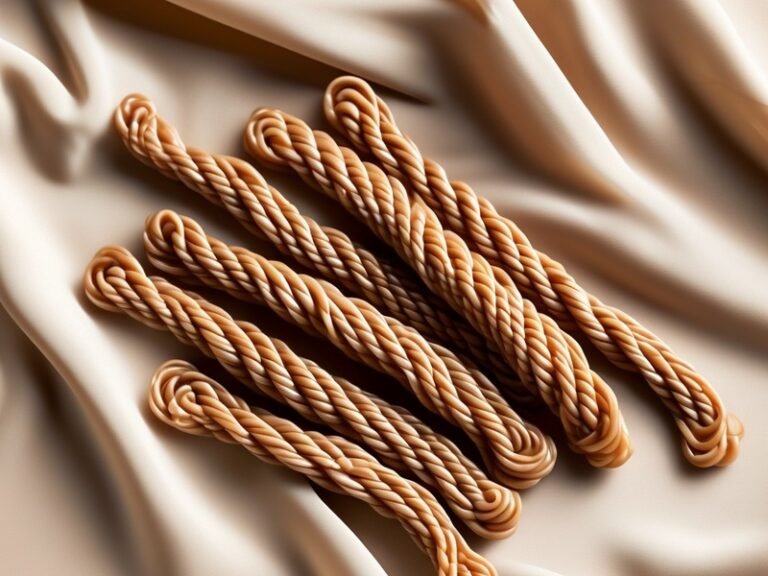
Start with the method your local stylists and clients already use, not every online trend. Weft hair is hair sewn onto a horizontal track for sew-ins and is usually the safest first reorder because salons understand it. If braiders are your core audience, bulk hair is loose hair without a track for knotless and boho styles. Pick one category, learn its common complaints, and expand after two clean reorders.
Branding and packaging lead times, explained
Private label is more than a logo; hang tags, satin bags, bundle wraps, box labels, and inserts all need print-ready artwork. Packaging often takes 7–14 days after artwork approval and may run separately from hair production. Keep labels simple: brand name, length, texture, hair type, and basic care. Approve a printed sample first because screen colors rarely match the final print, and expect setup or per-unit custom fees.
How do suppliers control private label human hair extensions quality?
Before reordering, inspect bundle weight, smell, shedding, weft stitching, curl return, and color consistency. A closure is a small lace or silk piece for a leave-out area; a frontal is an ear-to-ear piece, and density is how much hair fills a wig cap—150% looks natural while 180% looks heavier. Shampoo a sample twice: a few loose hairs are normal, but repeated clumps are not. Photograph bad batches with batch numbers and don’t sell questionable stock while the supplier reviews it.
Frequently asked questions
Is private label hair cheaper?
Private label usually costs less on repeat orders of 100+ bundles, but a 30-piece test run can cost close to ready-to-ship stock after tag and packaging fees. Your margin improves when you reorder one proven texture instead of testing ten SKUs.
Can I launch several hair types at once?
You can test samples from different donor types, but don’t mix them under one SKU or clients will notice texture shifts and tangling. If you plan light shades, review private label blonde bundles first because lifting dark hair raises dryness and breakage risk.
Order samples from two or three suppliers, wash and install them, and only brand quality you’d recommend. When ready, browse hair extensions and note textures, lengths, and packaging to discuss.
Send Us Your Hair Inquiry
Need bulk pricing, samples, or a private-label quote? Fill in the form and our team will get back to you within one business day.