Remy Hair Bundles: A Complete Buyer’s Guide
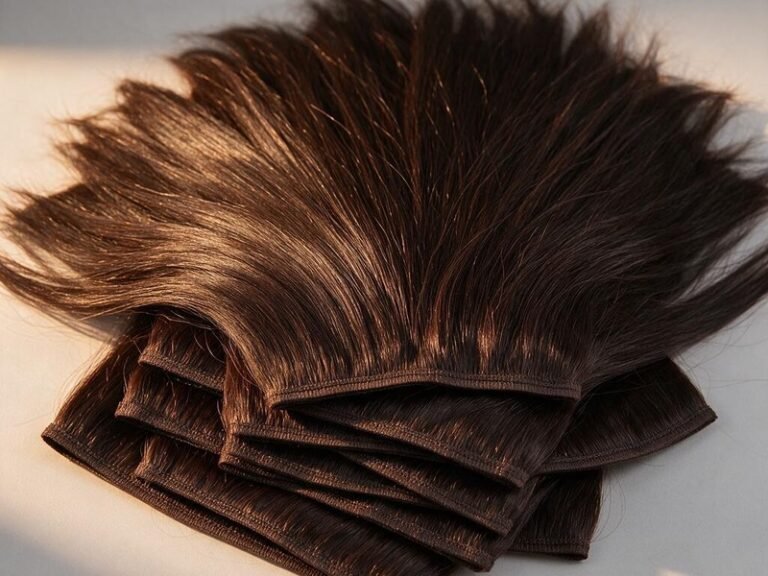
Remy hair bundles are human-hair wefts—stitched tracks on a seam—with cuticles intact and strands running one direction, so they tangle less and feel smoother. This guide covers quality checks, bundle counts, pricing, order minimums, and lead times for salons and hair brands. We’ll also show where suppliers cut corners, because a Remy label alone doesn’t prove much.
What does Remy hair actually mean?
Remy means hair was processed with cuticles running root to tip, not stripped and piled randomly. Cuticle aligned means the outer scales on each strand face one way, reducing matting after washing. Virgin hair was never chemically colored or permed, but Remy hair can still be dyed or steam-textured. That’s the key difference. A factory can sell true Remy in burgundy or body wave; virgin refers to chemical history, not cuticle direction.
How do you check bundle quality before ordering?
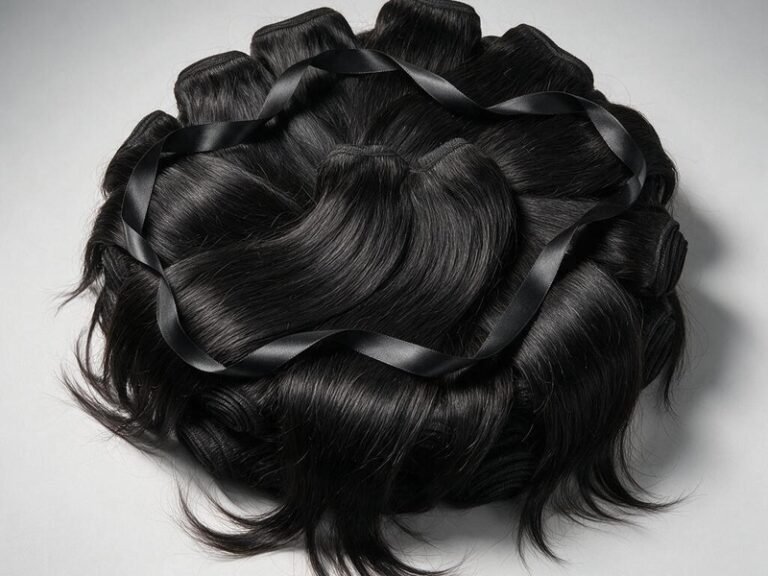
Start with weight: a standard bundle is 100 grams, about 3.5 ounces, and length is measured straight while pulled taut. Ask if that weight includes weft and packaging; some label 100 grams but ship closer to 90. Run hair root to tip, then reverse; aligned hair is smooth downward and only slightly rough upward. Inspect the weft for gaps, loose threads, and short return hairs that later shed. Before bulk buying, use this Black Remy bundle vendor checklist to confirm those checks.
How many bundles do I need for a full sew-in?
Most full sew-ins need three bundles, but length controls the count. Use two or three for 10–16 inches, three or four for 18–24 inches, and four or five past 26 inches; long bundles weigh the same but look thinner. A closure is a small lace or silk piece at the crown; a frontal runs ear to ear, and both can reduce hair needed in some styles. Leave-out styles usually need more blending hair. For big volume at 28 inches, add a bundle instead of promising fullness from two.
Are cheap Remy hair bundles worth it?
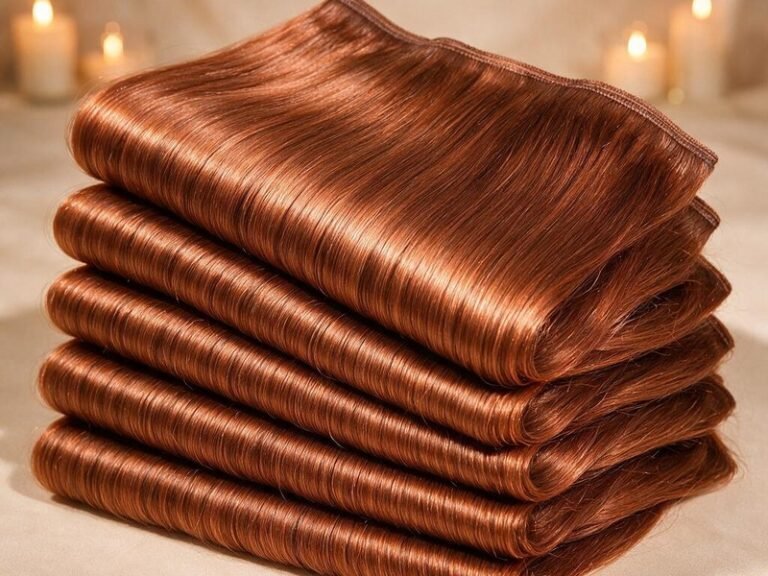
Sometimes, but not if the price is unrealistically low. A true 100-gram 12-inch Remy bundle rarely wholesales under $15, while reliable 18–24 inch stock usually runs $25–$45 by texture and color. Ultra-cheap hair may be stripped, silicone-coated, or mixed with synthetic fibers; the coating washes out and tangling begins. It can fit temporary installs, but don’t sell it as year-round luxury. When comparing weft hair extensions, ask about weight, processing, donor region, and minimum order quantity, not 9A or 10A labels.
What are normal MOQs and wholesale lead times?
Wholesale minimum order quantities (MOQs) often start at 10–50 bundles per color or texture; custom private-label runs may require 100 pieces or more. Ready-to-ship bulk hair for braiding can ship in 3–7 business days, while custom colors or labels take 10–20 days plus freight. Because hair is natural, order enough from one batch for a launch; texture can vary slightly between batches. Inspect about five percent of each shipment for weight, length, smell, shedding, and color match. Samples catch problems before your reputation takes the hit.
What’s the difference between Remy and virgin hair?
Remy describes cuticle direction; virgin describes chemical processing. Virgin hair may not be Remy, and colored Remy is still Remy if cuticles stayed aligned. Selling true Remy gives clients smooth hair without limiting your color range.
How long do Remy bundles last?
Good Remy usually lasts 8–18 months with gentle washing, nightly wrapping, and proper reinstalls. Daily heat, heavy bleaching, and rough brushing can drop that to a few months. Set that care expectation, and point buyers to our FAQ page for shipping and sample-order questions.
Order one sample first, wash and style it, then compare weight and weft quality before buying more. When ready, browse our shop all hair extensions page and pick textures your clients actually request.
Send Us Your Hair Inquiry
Need bulk pricing, samples, or a private-label quote? Fill in the form and our team will get back to you within one business day.