Raw Hair vs Virgin Hair: What Beginners Should Know
Raw hair is unprocessed, single-donor human hair that has never been steamed, permed, dyed, or coated; virgin hair is 100% human hair from one donor that may be lightly steamed for texture but has not been chemically processed. Raw costs more and looks more natural, while virgin gives consistent textures and colors at a lower wholesale price.
What does raw hair actually mean in a wholesale order?
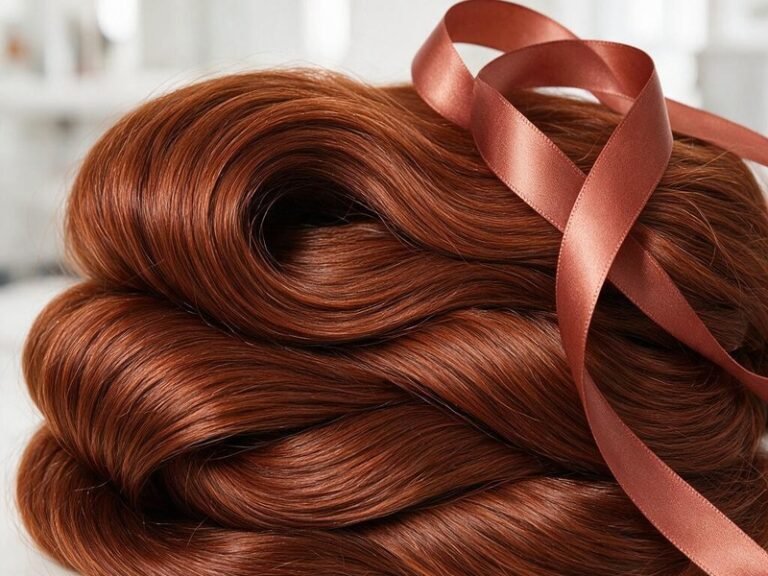
Raw hair comes from one donor and is only washed and conditioned before sale; no steam, perms, dye, or silicone coatings change it. Its cuticles stay intact and cuticle aligned, meaning the outer scales all run root to tip. You’ll mainly see natural straight, wave, or curl in dark brown to near-black; 100-gram bundles run 10 to 30 inches, and lengths over 24 inches are scarce. The tradeoff is authenticity versus consistency, so new vendors should review our wholesale raw hair bundles guide before a big order.
Is virgin hair processed, and is that bad?
Virgin hair is 100% human donor hair that has not been permed, dyed, or bleached, but it may be steamed to set a texture. That steam creates consistent body wave, deep wave, or curly patterns. Most is also Remy hair, meaning cuticles run one direction; Remy is a sorting standard, not proof the hair is raw. Light steam isn’t necessarily bad, but it can weaken hair, and coated batches tangle after washes; expect virgin hair 20 to 40 percent cheaper than raw, with easier reorders.
Which hair type lasts longer?
Raw hair often lasts three years or longer with gentle washes, careful reinstalls, and limited bleaching. Good virgin hair usually lasts one to two years; glue, heat, and lightening shorten that. Raw hair takes color more predictably, but strand tests are still required to lift dark hair to blonde. Steam-set curls can loosen after washing, especially deep-wave textures; raw hair wins for premium longevity, while virgin offers better everyday value.
Raw hair vs virgin hair: what should new buyers stock first?
For a first order, stock mostly virgin weft hair, which is hair sewn into tracks for sew-ins, in straight, body wave, and deep wave, plus a small raw-hair sample set. Virgin MOQs, or minimum order quantities, often start near 50 pieces; raw single-donor hair may start at 10 to 20 bundles. Use virgin for sew-ins with healthy margins, raw for custom color, and unwefted bulk hair for braiding, starting with 12 to 18 inches. Keep the first order narrow so cash isn’t tied up in too many textures.
How can you check quality before reordering?
Always wash sample bundles twice and air-dry them before judging shine, shedding, or curl memory. Raw hair should smell lightly conditioned, not heavily perfumed, and the weft should shed only a few hairs when pulled. Virgin hair should return to its advertised pattern; run fingers root to tip and back, because instant tangling means cuticle damage. Record supplier, batch date, length, and gram weight, and see our hair business success guide for pricing and sample-order mistakes.
Can virgin hair be labeled raw hair?
No. If texture was steamed or bundles were sorted to match a pattern, the hair should be sold as virgin or Remy, not raw. Ask suppliers whether the hair is steamed, and get that answer in writing before a bulk order.
Is raw hair worth the higher price for a salon?
It depends on your market. Raw hair is worth it for custom color and premium clients who keep their installs for a year or more. If buyers mainly want affordable trend textures, virgin hair moves faster and creates fewer pricing objections.
The fastest way to learn the difference is to wash and style samples from both lines. You can shop all hair extensions and then place a small test order before building your next wholesale shelf.
Send Us Your Hair Inquiry
Need bulk pricing, samples, or a private-label quote? Fill in the form and our team will get back to you within one business day.