How to Make a Hair Business Successful: What Beginners Should Know
A successful hair business is built on consistent quality, clean numbers, and a clear customer group—not the cheapest bundle list. Beginners win by testing samples, pricing for repeat orders, and learning what clients actually wear. Here’s what to focus on first.
What should I sell first as a new hair vendor?
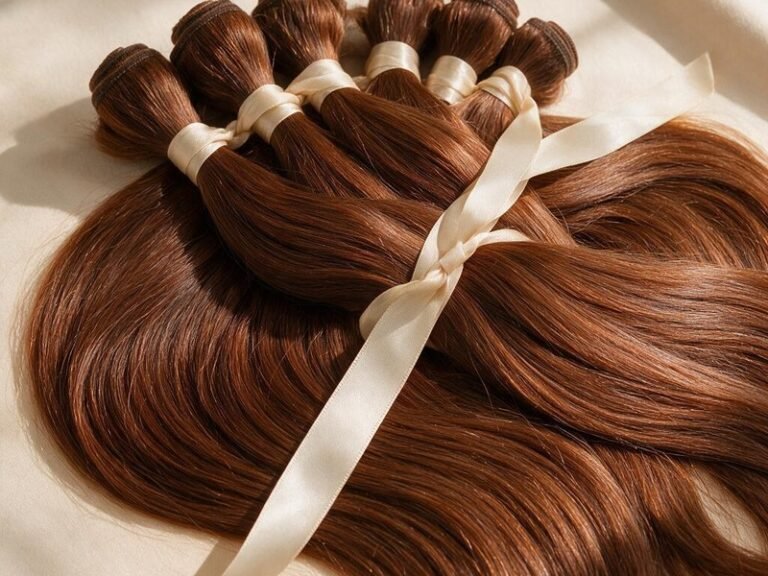
Pick a narrow starting line instead of stocking every texture. Most new vendors start with straight, body wave, and one curly in weft hair for sew-ins, because those sell steadily and are easy to explain. Virgin hair is unprocessed human hair, while Remy hair has cuticles facing the same direction; Remy is the baseline I’d suggest for repeat buyers. If you want setup details, our guide to start a hair product business covers the basics. Start with 10 to 30 bundles in 14 to 18 inches instead of tying up cash in 28-inch stock.
How many bundles do I need for a full sew-in?
A standard bundle is about 100 grams, or 3.5 ounces, so longer bundles look thinner even at the same weight. Three bundles usually work for 12 to 16 inches, four for 18 to 24, and five for 26 inches or longer. A closure is a small lace piece that closes an install, while a frontal is a larger ear-to-ear piece. Give clients this answer before they buy instead of making them guess. Selling the right amount prevents thin installs and those awkward “my hair doesn’t match the photo” messages.
Cheap hair vs. quality hair: what’s the real tradeoff?
A $12 bundle sounds tempting, but it often means short hairs mixed in, stripped cuticles, and matting after one wash. Cuticle aligned hair means the outer layers all run one direction, which reduces tangling and can last about a year with proper care. Expect 7 to 15 days for stocked textures and longer for custom labels or large orders. Order samples, wet them, brush them, and wear them before you promise quality to anyone. If clients want faster installs, tape-in hair can be a useful add-on, but learn its fitting and cost first.
How do I price hair without losing money?
Price from landed cost, not sticker price: wholesale hair, shipping, packaging, fees, and replacements all come out before profit. A practical target is 2x to 2.5x markup, so a $25 bundle might sell for $50 to $65. Don’t underprice just to make the first sale; deal-only buyers leave when another vendor is $4 cheaper. Keep a simple sheet with cost, selling price, and sell-through by length; 14 to 18 inches usually turns fastest. Reorder winners every two to four weeks instead of buying random textures.
What makes a hair business successful after the first order?
- Answer origin, texture, length, and care questions honestly.
- Ship in clean, dry packaging with a basic wash guide.
- Follow up after seven days to see how the install went.
- Fix legitimate problems fairly; one honest fix can bring referrals.
- Post real client videos, because filters only create returns.
Quick FAQ
Do I need a license to sell hair extensions?
Rules vary by state, but most resellers need a business registration and sales tax permit. If you install hair in a salon, your cosmetology license may also matter. Check your state board before ordering branded inventory.
How long does wholesale hair take to arrive?
Stocked wefts or tape-ins often ship in 7 to 15 business days; custom labels or large orders can take 3 to 6 weeks. Plan launches around confirmed production and shipping times. Beginners hurt their reputation by promising dates they haven’t verified.
If you’re ready to compare ordering details, browse our FAQ page for shipping and product-care answers. Start small, test the hair, and let repeat orders tell you what to stock.
Send Us Your Hair Inquiry
Need bulk pricing, samples, or a private-label quote? Fill in the form and our team will get back to you within one business day.