Brazilian Body Wave Bundles with Closure: Questions to Ask Before You Order
Before you order Brazilian body wave bundles with closure, ask who processed the hair, how many bundles you need, what closure size fits the install, and what the vendor does about defects. Those four answers separate a clean sew-in order from chargebacks, salon delays, and customers upset with thin ends.
How do I know if Brazilian body wave bundles are good quality?
Start by asking whether it’s virgin hair—unprocessed and not silicone-coated—or Remy hair, where cuticles generally face one direction. Cuticle aligned means the outer scales run the same way from root to tip, which reduces tangling after washing. “Brazilian” is often a texture and market label, not proof of source country, so get the grade, bundle weight, and processing method in writing. If a rep dodges donor or steaming questions, read our best body wave hair guide before leaving a deposit.
How many bundles do I need for a full sew-in?
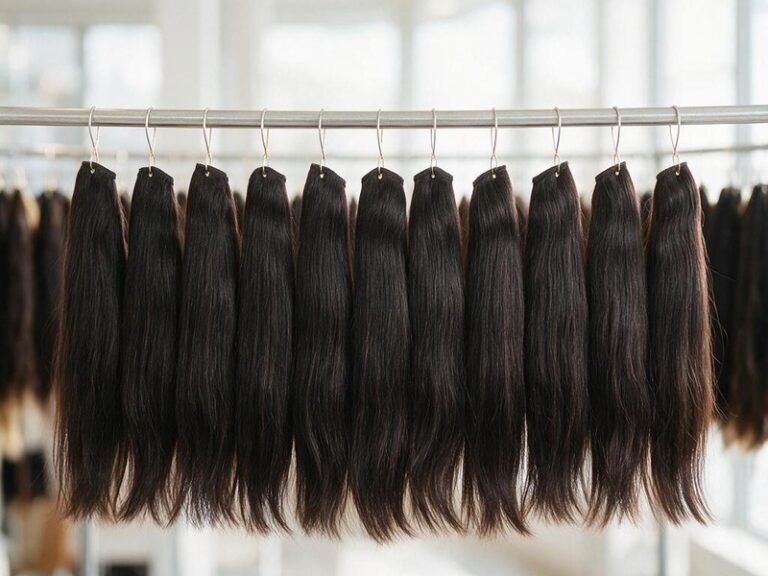
Most full sew-ins need three to four bundles plus a closure. For 10–14 inches, three 95–100 gram bundles usually work; use three to four for 16–22 inches and four past 24 inches. A closure is a small lace or silk piece that closes the install and protects leaveout, commonly 4×4, 5×5, or 6×6 inches. Longer bundles can thin at the ends, so describe the finish—natural or big and layered—instead of only sending lengths.
Will the closure match the body wave?
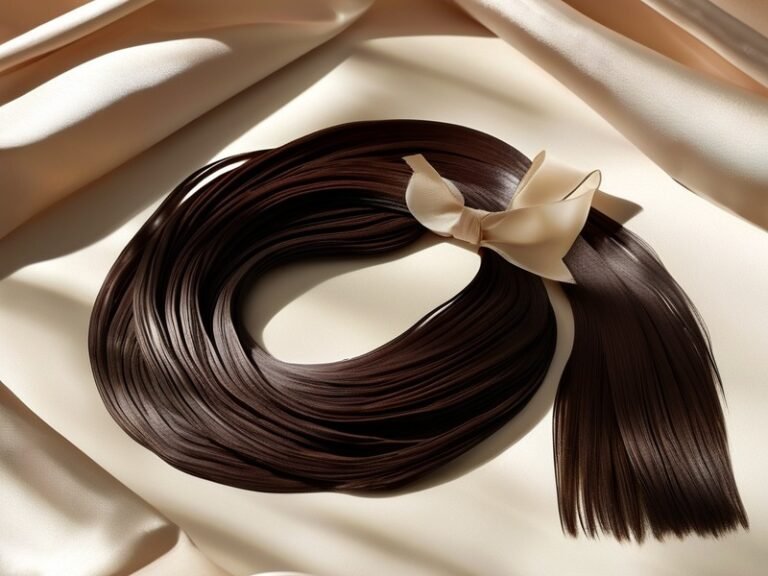
Ask whether the closure and bundles come from the same batch, color, and texture run. Body wave should dry into a similar S-curl; a closure that was steamed differently may straighten or frizz after washing. Lace closures usually need bleached knots and plucking, while silk-top closures look more like scalp with less customization. Density means how much hair is tied into the closure; 130%–150% is normal, and our closure vendor checklist covers the rest.
What’s the real price, MOQ, and lead time?
Very cheap bundles often feel soft because of silicone coating, then dry tangled after a couple washes. Wholesale tiers improve around 50–100 pieces; small trials and 7–10-day rush production cost more per bundle. Ask whether the quote includes the closure, packaging, labels, and door-to-door freight; extras can add 10%–25% to your cost. Compare weft hair extensions by bundle weight and length, not just by the prettiest photo.
What if the hair arrives wrong?
Ask who pays return shipping for wrong lengths, mismatched closures, or shedding, and get the claim window—often 3–7 days—in writing. Human hair can have shorter strands near the weft, but it should not arrive visibly thin, coated, or reeking of chemical processing. Most factories reject returns after washing or installing, so weigh bundles and inspect curl pattern before handing them to your braider. Our FAQ page explains the basics, but custom-order terms still need to come from your rep in writing.
Can I color or heat-style the hair?
Virgin human hair can be colored and heat-styled, but lifting the shade dries the ends and can loosen the wave pattern. Use a strand test first, keep irons around 300–350°F, and remember most vendors won’t accept returns after chemical processing.
How long does a closure sew-in last?
With gentle washing, nighttime wrapping, and regular reinstall maintenance, a good set often lasts 6–12 months. The lace is usually the first piece to wear out from scratching or rough combing, so set that expectation with clients instead of promising permanent hair.
We suggest sending these questions with your lengths, closure size, and delivery date before you request a quote. You can also browse all hair extensions and compare vendor answers before committing to a PO.
Send Us Your Hair Inquiry
Need bulk pricing, samples, or a private-label quote? Fill in the form and our team will get back to you within one business day.