Cuticle of Hair Shaft: A Complete Buyer’s Guide
The cuticle of the hair shaft is a protective layer of overlapping scales, and it decides whether extension hair tangles or stays smooth. When those scales are intact and all point the same way, hair lasts longer and sheds less. Here’s what to check before ordering.
What does the cuticle of the hair shaft actually do?
The cuticle is made of flat, scale-like cells that overlap like roof shingles, about six to ten layers thick on healthy hair. Those scales lie flat when hair is healthy and lift a little when it’s wet, rubbed, or hit with high-pH product. Underneath is the cortex, which gives hair its strength and curl pattern; the cuticle’s job is to protect it. Once scales are scraped or etched away, the cortex roughens and grabs neighboring strands. That’s tangling, and once a client feels it, the hair usually can’t be fixed.
Cuticle aligned vs. Remy: what’s the difference?
Cuticle aligned means every strand in a bundle runs root to tip, so the scales all face one direction. Remy is supposed to mean the same thing, but suppliers use the word loosely; some acid-washed hair is still sold as Remy. Virgin hair has never been colored, permed, or relaxed, so its cuticles are usually healthier, but that alone doesn’t prove alignment. If you want fewer returns, chase alignment, not the Remy label. We explain more in our guide to cuticle aligned hair.
How can I tell if cuticles are stripped or damaged?
In our warehouse, we see buyers trust pretty macro photos, but you can’t see cuticle scales without a microscope. Run fingers end to root: healthy hair feels slightly resistant, like petting fur backward; stripped hair feels the same both ways or slick. Hair that tangles after one co-wash, feels gummy wet, or smells strongly chemical when opened is suspect. Those are classic signs of an acid wash, where suppliers etch cuticles so mixed-direction hair feels smooth for a few washes. Our post on acid wash and cuticle damage shows what to inspect in a sample.
How processing changes the cuticle
- A demi- or semi-permanent tint lifts cuticles slightly; good virgin hair handles it well.
- Blonde shades like #613 need stronger lightener and can thin cuticles by level 10.
- Steam-set curls use heat and moisture and usually keep more cuticle than chemical perms.
- Double processing, color plus texture, shortens lifespan and raises tangling risk.
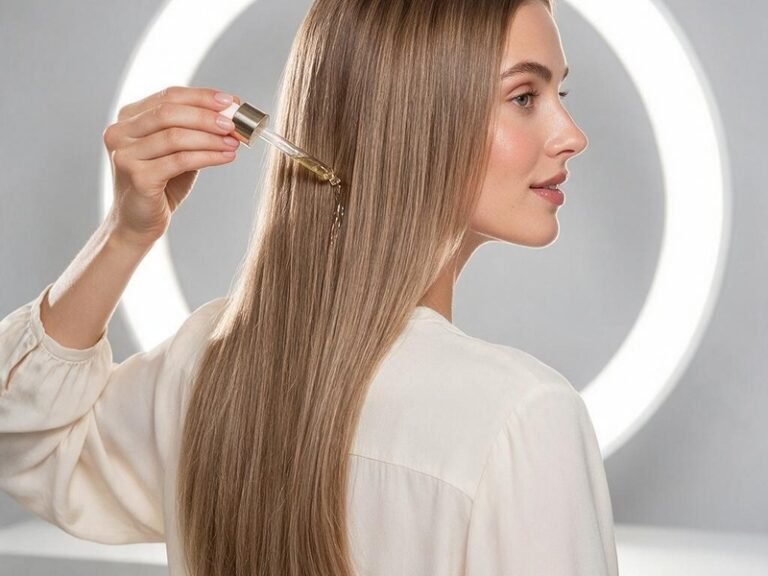
- Cuticle-sealing serums help for a few washes but don’t rebuild a missing scale layer.
- Expect heavily processed blonde to need more conditioning and replacement sooner than natural color.
What should I ask my supplier before ordering?
Ask whether the hair is full cuticle, cuticle aligned, and acid-washed, and get it in writing. Order a 10- or 12-inch sample, wet and shampoo it, and check direction before an MOQ (minimum order quantity), often starting near 50 pieces.
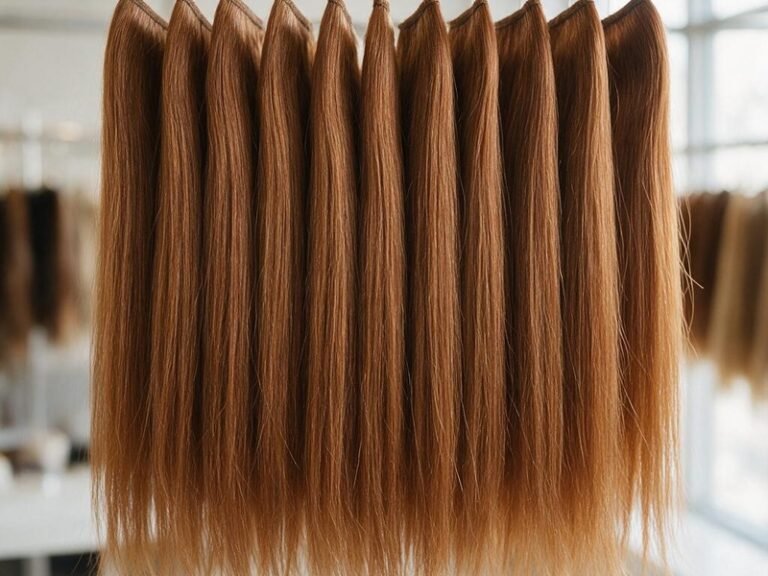
For sew-ins, compare weft hair by stitching; loose wefts make normal shedding look like a cuticle problem. If you sell to braiders, keep bulk hair from one lot so direction matches bag to bag.
Quick FAQ
Is cuticle hair the same as virgin hair?
No. Virgin means hair hasn’t been chemically processed, while cuticle hair means the outer scale layer is present and aligned. Always ask which one your supplier means.
Does cuticle aligned hair ever tangle?
It can tangle after rough brushing, chlorine, product buildup, or sleeping on cotton without a bonnet. If clean, brand-new hair tangles before install, that’s a supplier problem, not a maintenance issue.
Next time you sample a vendor, spend ten minutes checking direction, not just squeezing softness. Order a sample, wash it once, and trust your hands before booking a full shipment.
Send Us Your Hair Inquiry
Need bulk pricing, samples, or a private-label quote? Fill in the form and our team will get back to you within one business day.