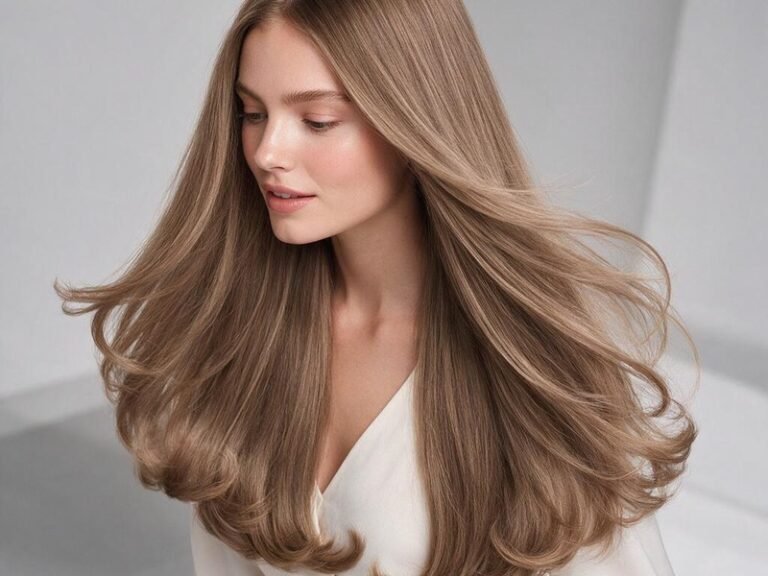
Understanding Human Hair Braiding Styles: What Buyers Should Know
Human hair braiding styles are defined mainly by texture, length, and install method, so match hair quality, weight, and curl pattern to the finished look—not a trend name. Most box braids, knotless braids, twists, and boho looks use bulk hair, while sew-ins use tracks and sometimes a lace piece. The right construction prevents overpaying, tangling, and customer complaints.
What are the most common human hair braiding styles?
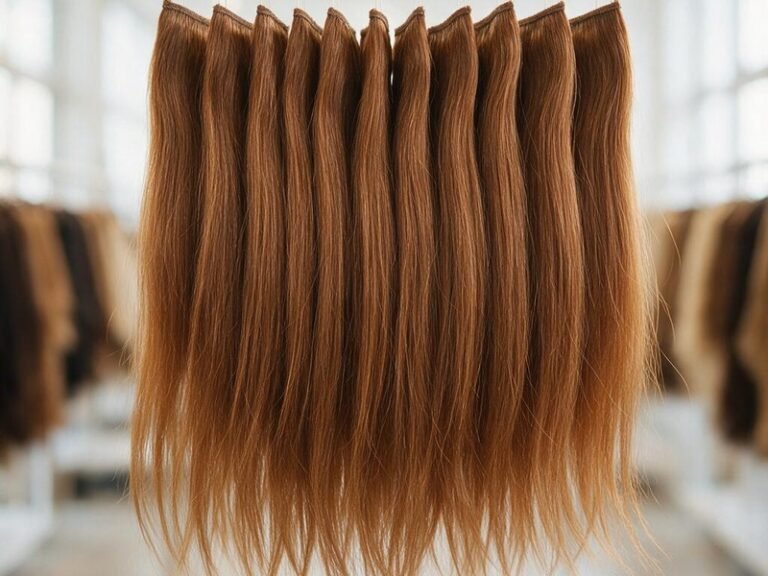
Box braids and knotless styles use bulk hair, loose hair with no weft that braiders feed into plaits. Twists use softer wavy hair, and boho braids leave curly human hair pieces loose throughout. Micro braids use smaller sections, more hair, and far more labor. A braided sew-in uses cornrows plus weft hair, which is hair sewn onto a track. Most looks can be ordered as bulk hair for braiding, but factory texture names vary, so sample first.
How much hair do I need for different braid styles?
Weight matters more than pack count because packs may be 50 grams, 100 grams, or 4 ounces. Medium knotless braids or box braids usually need 150 to 250 grams; boho looks often need 200 to 300 grams. Micro braids or very full twists can require 300 to 400 grams. A sew-in commonly takes three 100-gram wefts at 12 to 18 inches, or three to four wefts at 20 to 28 inches. Confirm grams, length, and whether curly hair is measured pulled straight.
What do virgin, Remy, and cuticle aligned actually mean?
Virgin hair is unprocessed human hair, meaning it has not been colored, permed, or chemically textured. Remy hair means cuticles face the same direction, though it may still be dyed or steam-textured. Cuticle aligned means the same root-to-tip direction, which reduces tangling during braiding and repeated washes. Non-Remy hair can look good initially, but it usually dries faster, sheds more, and is harder to reuse. Our human braiding hair guide explains grade claims, but always wash and braid a sample before a big order.
Which texture is best for human hair braiding styles?
Blend depends on the client’s natural pattern, braid size, and how much hair is left out. Straight or light yaki works for sleek braids; water wave, deep wave, and kinky curly fit boho and curly-end looks. Test curly hair after washing, since it can shorten and expand in humidity. A closure is a small lace piece at the part; a frontal is an ear-to-ear lace piece for the hairline. Most feed-in braids do not need either, but test 18- and 24-inch samples before stocking shelves.
What should I confirm before a wholesale order?
- Choose loose bulk for feed-in braids and wefts for sew-ins.
- Compare gram weights, not just pack counts or advertised length.
- Ask whether stock is ready; in-stock packs often ship in 3 to 7 days.
- Expect custom colors or private label runs to need 50 to 100 units and 25 to 45 days.
- Before branding, review our private label bulk hair notes on tags and packaging.
Frequently Asked Questions
Is human braiding hair the same as bulk hair?
Usually, yes. Human braiding hair normally comes as loose strands with no weft, ready to feed into braids. If you cut wefted hair off a track, expect shorter pieces and extra shedding.
Can the hair be reused?
Yes, if it is Remy or cuticle aligned and removed carefully. Wash it gently, let it dry fully, and discard short hairs before reinstalling. Dry or matted hair is usually not worth the extra braiding labor.
Test sample hair through two washes and one install before placing a large order. For current stock and shipping details, browse our extensions or check the FAQ page.
Send Us Your Hair Inquiry
Need bulk pricing, samples, or a private-label quote? Fill in the form and our team will get back to you within one business day.