Best U Part Wig: How to Choose a Reliable Supplier
The best U part wig supplier is the one with consistent hair quality, honest stock and lead times, and a real fix when something goes wrong. They should send actual sample photos, answer construction questions directly, and not pressure you into overbuying.
What is a U part wig, and why does construction matter?
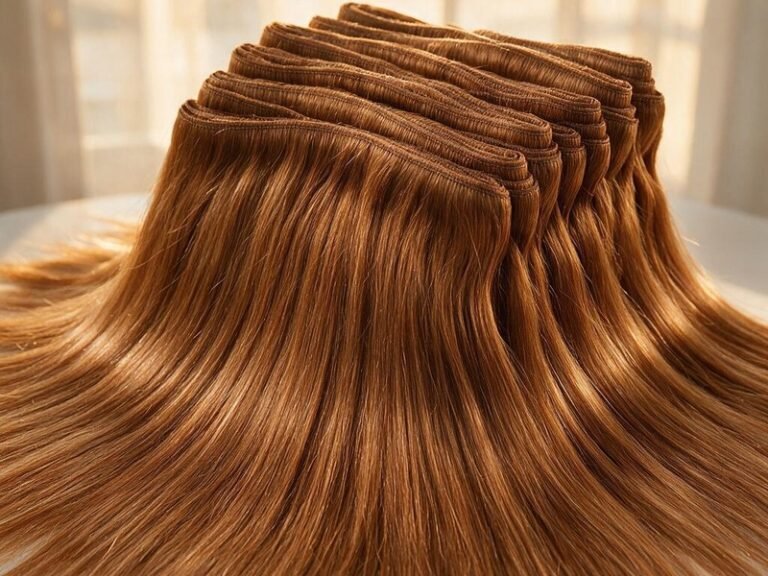
A U part wig is a cap with a U-shaped opening, so wearers leave out their own hair to blend over the tracks. Most use weft hair, strands stitched into a track, sewn to an elastic cap with combs and straps, keeping price and install time down. Gap size matters: 2×4 suits normal leave-out, while 4×4 allows more parting but needs more hair to cover. Ask if wefts are double-drawn near the opening and the cap has ventilation; tight cheap caps feel bulky and tangle. Good suppliers list cap construction, gap size, and density, not just studio photos.
How can you tell a good U part wig from a sample?
- Run fingers root to tip. Cuticle aligned hair means strands point one direction, so it’s smooth down and rough up without catching.
- Comb hard over a white towel. A few loose hairs are normal; a pile means weak wefts or bad stitching.
- Check density, the hair amount on the cap. Most U part units are 150% or 180%; 150% lays flatter, 180% runs fuller but hotter.
- Wash and air-dry a sample. Quality hair keeps its pattern and stays soft; coated hair turns dry or tangled.
- Inspect the opening: secure wefts, flat combs, and a gap matching the 2×4 or 4×4 size you ordered.
What should a U part wig sample actually cost?
Stock human-hair U part wigs run $55 to $130 at 10 to 18 inches; longer lengths and curls can hit $150. A $35 22-inch body wave unit likely means a blend, thin ends, or heavy shedding after one wash. Wholesale orders usually take 15 to 30 percent off at 10 to 30 pieces. Virgin hair—hair not permed, dyed, or stripped—costs more but colors predictably. Remy hair keeps cuticles aligned but may have light processing, so ask which you’re getting.
How do MOQs and lead times really work?
No-MOQ listings usually mean stock colors in common lengths only. Custom labels, colors, or gap sizes need 10 to 50 pieces and 10 to 20 business days. Stock units should ship in 3 to 7 days; truthful sellers say what’s in the warehouse. Rush orders cost more and cause stitching errors, so don’t plan launches around them. Ask for photos of the exact unit, not catalog shots.
Are you working with a factory or a middleman?
Trading companies can be honest, but you’re paying a markup and quality may vary by batch. Real suppliers answer construction questions, share cap photos, put defect policies in writing, and replace issues. Avoid sellers who refuse video calls, only use studio photos, or change payment details each order. Our guide on wholesale hair vendors covers the vetting questions we’d ask any factory. Check the supplier’s FAQ page for shipping and returns; vague answers are a warning.
Quick questions before you order
Are U part wigs good for resale?
U part wigs sell because they’re glueless, faster than a sew-in, and gentler on edges than lace. They suit clients who can blend their own leave-out. Margins are solid, but returns rise if caps run small or gaps are cut wrong.
Can I private label U part wigs?
Yes, but custom tags, bags, and boxes usually start at 10 to 50 pieces. A sewn label on stock units is cheapest for testing a brand. Our raw hair extensions overview explains what to ask factories upfront.
Order samples from two or three suppliers and compare how each survives washing. Browse hair extensions here, then use these questions to keep your next U part order honest.
Send Us Your Hair Inquiry
Need bulk pricing, samples, or a private-label quote? Fill in the form and our team will get back to you within one business day.