What Is Virgin Hair Wefts? A B2B Buyer’s Guide
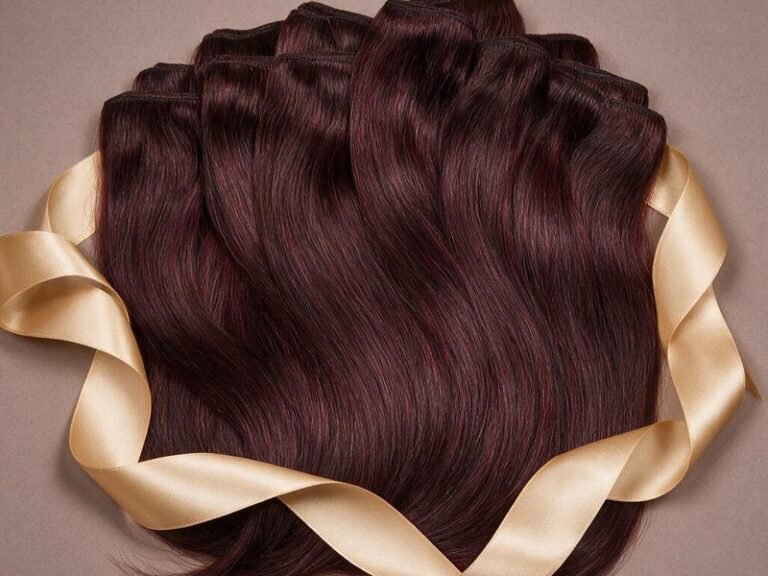
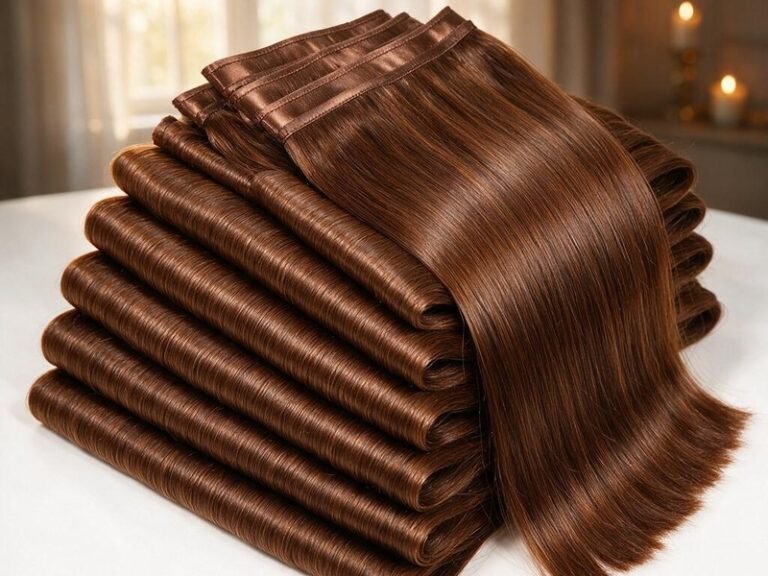
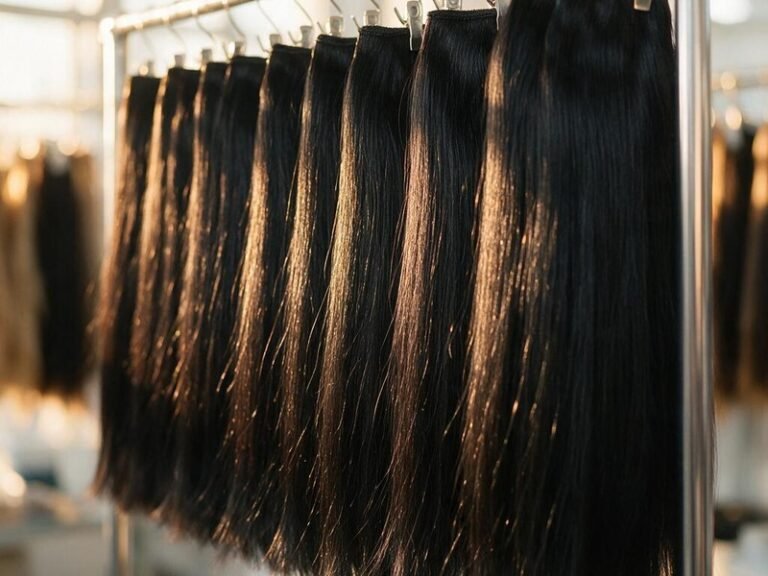
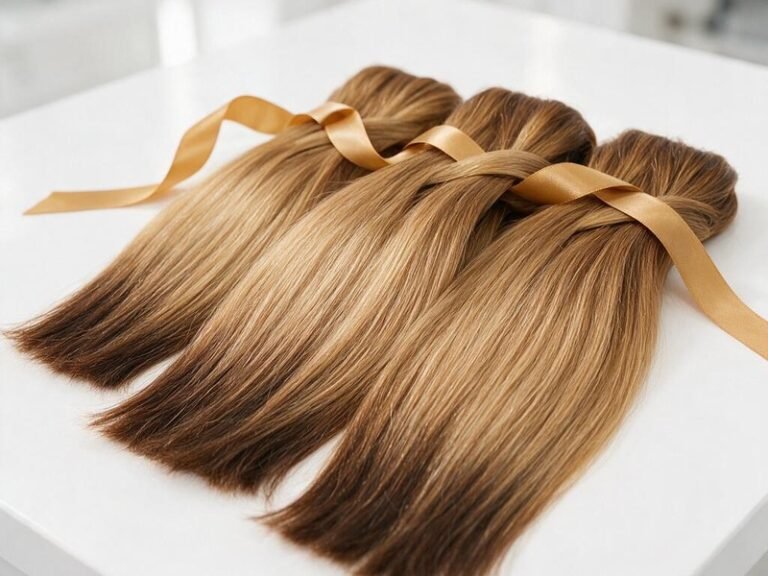
Virgin hair wefts are sew-in tracks made from unprocessed human hair with intact, usually aligned cuticles. For B2B buyers, that means bundles sold by weight or piece for salons and resellers.
What exactly are virgin hair wefts?
A weft is a horizontal track of hair fastened at one end with thread and sold as a bundle. Virgin hair is unprocessed donor hair: no dye, perm, relaxer, or heavy silicone coating. Most quality virgin hair is also cuticle aligned, meaning the outer scales run one way, which reduces tangling. Hair without a track is bulk hair for braiding, so don’t confuse loose-hair quotes with weft quotes. Once that hair is colored or steam-permed, it’s human hair, but it’s no longer virgin.
Machine vs hand-tied wefts: what actually sells?
Machine wefts are stitched on a machine, so the track is stronger, easier to reinforce, and usually best for standard sew-ins. A typical bundle is 100 grams in 10 to 30 inch lengths, though curly wefts can look thick. Hand-tied wefts use smaller knots and thinner thread, lie flatter, and flex better, but they’re easier to damage with a tight needle. They often cost 20 to 40 percent more and run 50 to 90 grams per bundle. You can compare both on our weft hair page, but I’d start with machine unless salons repeatedly ask for flatter installs.
How many bundles do I need for a full sew-in?
For a full sew-in, most buyers order 3 bundles at 10 to 16 inches, 3 to 4 at 18 to 24 inches, and 4 to 5 at 26 inches or longer. Every bundle is sold by weight, but at longer lengths that same 100 grams is spread thinner. A closure, the small lace piece covering the leave-out, or a frontal, the larger ear-to-ear hairline piece, changes the hairline more than the bundle count. Head size, desired thickness, and layering also change the number. Our install guide covers the details, but stylist feedback is the fastest way to learn your market.
What should I inspect before ordering wholesale?
First, order samples in two or three lengths and wash them; cheap processed hair often feels soft from coating but tangles after shampoo. Weigh each bundle, tug the weft lightly to check shedding, and see if the curl returns after conditioning. Ask if it’s virgin, Remy, or simply human hair: Remy means aligned cuticles, but it can still be processed. Get policies on wrong lengths, gray hairs, and exchanges in writing. This quality-check guide uses the same warehouse tests and can prevent a 50-bundle mistake.
Are virgin hair wefts worth the higher cost?
For a salon or reseller, virgin wefts are usually worth it if clients want reusable, color-safe hair and will pay more. With proper care, a good weft can last 12 to 24 months, while heavily processed hair may mat in 3 to 6 months. The downsides are higher cost, natural color variation, and curly patterns that differ between donor lots. Stock MOQs may start around 10 bundles, while private-label orders often begin at 50 to 100 pieces. If your market wants cheap one-time styles, a lower-grade processed line may be the smarter fit, even with more returns.
FAQ
Can I color virgin hair wefts?
Yes. It can be colored or bleached, but after that chemical service it’s processed and no longer virgin. Use a strand test, gentle developer, and deep conditioning to limit dryness.
What’s the difference between virgin and Remy?
No. Remy means the cuticles run in one direction, but the hair may still be dyed or treated. Virgin means it was never chemically processed, so virgin Remy is the stricter, pricier specification.
If you’re comparing suppliers, browse our shop all hair extensions page and order sample lengths before buying inventory. Wash and style those samples like your clients would, then scale up once the quality holds.
Send Us Your Hair Inquiry
Need bulk pricing, samples, or a private-label quote? Fill in the form and our team will get back to you within one business day.