How to Make K-Tip Hair Extensions Last Longer
We’ve pulled thousands of K-tip bundles in our warehouse over the years, and the top complaint from salon owners and resellers isn’t out-of-the-box shedding—it’s clients coming back 4 weeks in upset their extensions look fried or are slipping. Most early wear and tear has nothing to do with hair quality, and everything to do with small, fixable missteps during install, at-home care, and even how you store stock before it touches a client’s head. If you’re tired of replacing sets early or fielding frustrated DMs from people who swear their K-tips “didn’t last,” these are the no-fluff moves that actually help make K-tip hair extensions last longer, no fancy products required.
Start with quality hair if you want to make K-tip hair extensions last longer
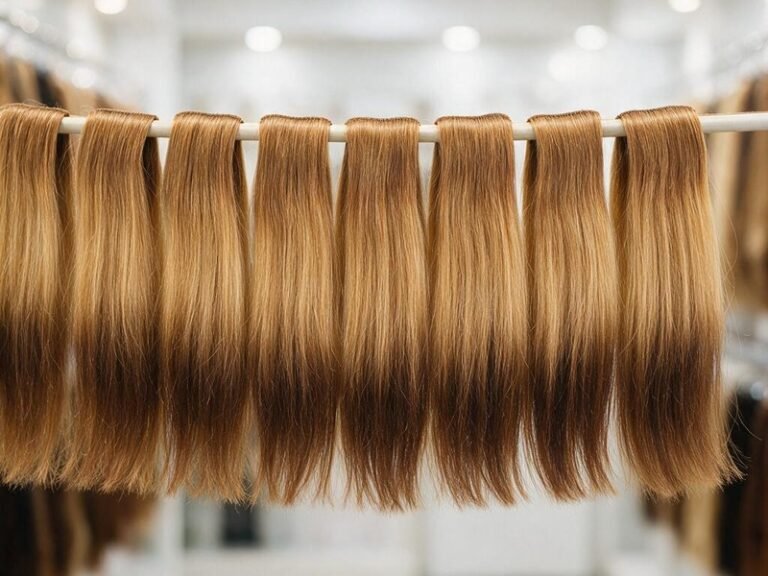
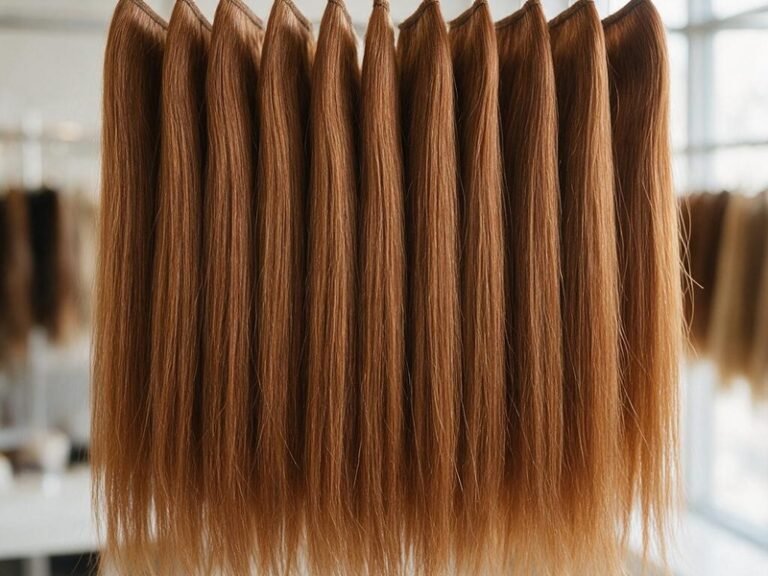
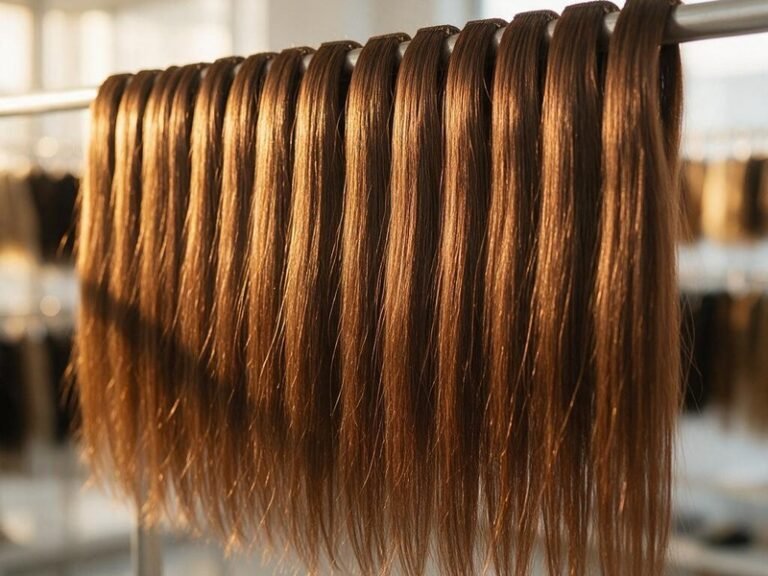
If you cut corners on cuticle alignment to save a few bucks per bundle, nothing you do at install or aftercare will fix that. We break down quality differences in our guide to what K-tip hair extensions are made of, but the short version is: 100% cuticle-intact remy hair, aligned in the same direction, lasts 3-4 months on average with proper care, while stripped, silicone-coated non-remy hair feels like straw after 4 washes, max.
You don’t need to stock the priciest double-drawn virgin line for every client, but if you advertise 3+ month wear, don’t grab the cheapest bulk K-tips just to pad margins. You’ll spend more on free replacements and bad reviews than you saved upfront. If you’re sorting through options for your shop, you can browse our line of cuticle-aligned K-tip hair to compare economy and premium grades side by side.
Small install mistakes cut lifespan in half
You can stock the best hair on the market, but a sloppy install leaves clients with slipping bonds and matted roots in two weeks flat. We talk to stylists every week confused why their K-tips aren’t holding, and 9 times out of 10, it’s one of three easy fixes.
Leave 1/4 inch of space between the keratin bond and the scalp, so natural hair has room to shed without getting trapped. Use a heat tool set between 320-340F to seal bonds — any hotter, and the keratin turns brittle and crumbles; any cooler, and it won’t fully fuse to natural hair. Match extension weight to natural hair weight: a standard 1g K-tip needs an anchor section of natural hair that’s roughly 1g, too, so tension stays even and bonds don’t slip from excess weight.
Clients will break bonds if you don’t set clear rules
You can send clients home with a printed aftercare sheet, but half will throw it in their purse and slather coconut oil on their roots three days later. Repeat the non-negotiables out loud, more than once, so they stick.
Wait 48 hours after install before washing hair — no hot yoga, no swimming, no tight ponytails. No exceptions. That keratin needs two full days to harden; get it wet too soon, and it softens and slips. Keep all oils, leave-in conditioners, and dry shampoo at least 2 inches from the roots, because those products seep into keratin and break it down fast.
We walk through exact product do’s and don’ts in our full guide to caring for K-tip hair extensions, but the biggest rule most clients miss is they don’t need to scrub their roots like they do with natural hair. Gentle pressure, sulfate-free shampoo, lukewarm water, and daily brushing with a loop brush to prevent shed hair from tangling around bonds goes further than any expensive aftercare serum.
Skipping move-ups wastes hair and money
Move-ups aren’t an upsell — they’re the most critical step to getting full wear out of every set. Natural hair grows roughly half an inch a month, so bonds slowly move down the shaft, twist against each other, and trap shed hair that can’t fall away.
Most clients can go 6-8 weeks between move-ups, but people with oily scalps or fast growth may need to come in at 4 weeks. Wait past 8 weeks, and you’ll spend hours picking out matted clumps, usually replacing 20-30% of strands because they’re too tangled to salvage. Tell clients to book early if they notice:
- Tight, tiny tangles right above the bonds
- Bonds twisting or flipping instead of lying flat
- More than an inch of new growth between scalp and bond
Bad storage ruins stock before you open it
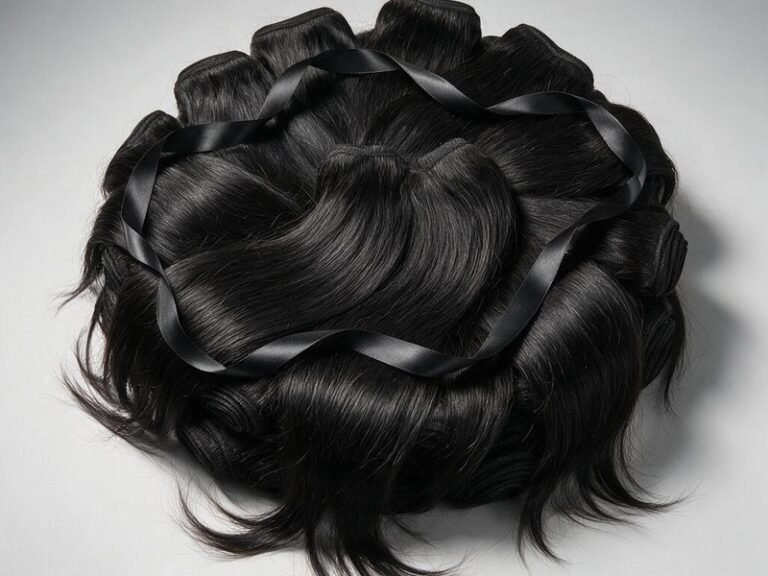
Here’s a tip almost no one talks about: how you store unopened K-tip bundles can cut months off their lifespan. We see this all the time with new buyers who leave boxes in sunny storefront windows, or toss loose bundles in a damp bin under a salon sink next to cleaning products.
Keratin is porous. Sit it in a hot, humid space for months, and it softens so much it won’t seal properly during install. Leave hair exposed to direct sun, and the cuticle dries out, turning brittle before it touches a client’s head. We’ve had salon owners send back whole orders of slipping K-tips, only to realize they stored boxes next to a space heater for three weeks during a cold snap. Don’t make that mistake.
Store K-tips in a cool, dark closet in original packaging, rotate stock so you don’t use bundles that have sat for 12+ months, and keep oil-based hair products (like tape remover) far away. If you’re expanding your menu, tape in hair extensions are a popular low-maintenance pick for clients who don’t want K-tip upkeep, but keep those boxes separate so remover fumes don’t damage keratin bonds.
Quick answers to common questions
Can K-tips really last 6 months?
Honestly? Probably not, no matter how careful you are. Keratin breaks down with regular washing, oil, and heat, and even the best cuticle-intact hair gets split ends after 4 months of daily wear. Anyone promising 6+ months of wear is stretching the truth. You might hit 5 months with gentle care, but set realistic expectations up front to avoid frustrated clients.
Do pro-applied K-tips last longer than at-home kits?
Most of the time, yes. At-home applicators almost always skip the 1/4 inch root gap, use too much heat, or attach too-heavy strands to fine hair, cutting lifespan in half. That said, new stylists make the same mistakes, so practice a few test installs before offering K-tips to paying clients. If you have questions about install temps, strand weight, or bond sizing, we cover most common issues on our FAQ page, too.
Making K-tips last longer isn’t about fancy products or secret tricks. It’s about starting with solid quality hair, nailing install basics, being honest with clients about upkeep, and not skipping small steps like proper storage and regular move-ups.
If you’re ready to restock reliable K-tips that hold up to regular wear without steep markup, browse our full selection any time, or reach out to our team if you need help picking the right grade for your client base.
Send Us Your Hair Inquiry
Need bulk pricing, samples, or a private-label quote? Fill in the form and our team will get back to you within one business day.