Piano Color and Balayage Extensions: Stocking Multi-Tone Inventory
Last quarter, we pulled 6 months of warehouse order data and found something that didn’t surprise us at all: multi-tone hair, specifically piano color and balayage extensions, now makes up 42% of our B2B outbound volume to US salons and resellers. A lot of buyers still treat these shades as an afterthought, stocking one or two random mixes next to walls of solid #1B and #2, then wonder why they’re turning away 3 out of 10 color clients every week. The hard part isn’t knowing these tones sell—it’s stocking them without tying up half your budget in SKUs that collect dust for 10 months.
First: Stop mixing up piano color and balayage
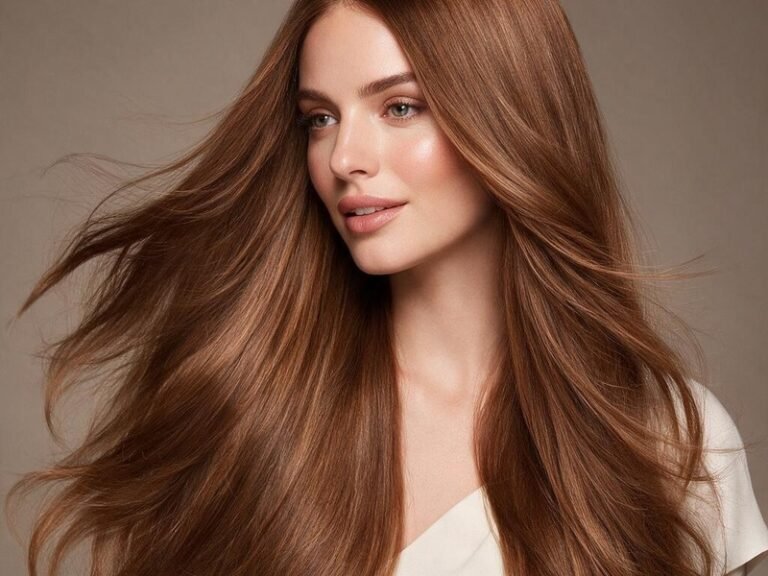
Half the new buyers we talk to use the two terms interchangeably, and that mix-up leads to really avoidable ordering mistakes. Piano color is made of alternating strands (or weft sections) of two solid shades, usually evenly split 50/50, with no soft gradient between them. It’s the crisp, bold highlighted look people asked for a decade ago, perfect for clients who want visible streaks without sitting through 3 hours of foils. Balayage extensions, by contrast, have a rooted, melted finish: darker color concentrated at the top (usually 70% dark, 30% light at the weft root) that gradually shifts to mostly lighter tone at the ends, with zero harsh lines.
Get this wrong, and you’ll end up with a shelf full of high-contrast piano color in a market where every client asks for soft, sun-kissed ends. We saw that happen last year with a salon owner in San Diego who ordered $1,800 worth of #1B/613 piano wefts, assuming “highlighted” meant balayage. She ended up discounting the whole batch 60% off to braiders in LA just to clear shelf space.
What actually sells, by the numbers (no hype)
We crunched 2023 order data from 217 US-based buyers—salon owners, independent braiders, small online resellers—to see which multi-tone SKUs moved fastest, and which sat. Across every region and format, three balayage mixes made up 68% of all balayage orders: #1B/4/27 (natural black root, dark brown melt, honey blonde ends), #2/6/613 (dark brown root, medium brown melt, platinum ends), and #4/12/24 (medium brown root, light golden brown melt, caramel ends). These are the workhorses, the shades clients bring in reference photos of from Instagram and TikTok, over and over.
For piano color, the top sellers are #1B/30 (natural black and auburn, huge for braiders in the Southeast who grab bulk hair for braiding to feed into knotless and boho styles), #1B/613 (high contrast black and platinum, big in Northeast urban markets), and #2/27 (dark brown and honey blonde, steady across every other region). What doesn’t sell? Super pastel piano mixes (think lavender and baby pink) unless you already have a dedicated vivid color client base, and low-contrast dark mixes like #1B/2 piano. Most clients can’t tell the difference between that last one and solid #1B once it’s installed, so it’s a waste of a SKU slot. Also, a quick reality check: 18-inch multi-tone moves twice as fast as 24-inch, across every shade. Clients love the long look, but most don’t want to pay the 35% premium for 24-inch colored hair when they can grab 18-inch and add temporary clip-ins for special events.
How much to stock without wasting cash
We get the hesitation. Multi-tone shades feel riskier than core solids, because you can’t always repurpose a blonde-heavy balayage for a client who wants all dark hair. But you don’t need to go all in on day one.
If you’re a smaller operation (1-2 stylists, or a reseller doing under $5k/month in hair sales), stick to a 70/30 inventory split: 70% core solid shades (#1B, #2, #4, #613) across your most popular lengths, 30% multi-tone. Allocate 2/3 of that multi-tone budget to the three top-selling balayage and piano shades we listed earlier, so you’re not guessing at demand. Our standard MOQ for stock multi-tone shades is 3 bundles per length per shade, which means you can test the top three balayage mixes in 18 and 20 inch for right around $900 total, no custom order required. If you’re curious about bulk pricing breaks for larger multi-tone orders, we cover those thresholds on our FAQ page.
Larger operations (salons with 4+ stylists, resellers doing over $15k/month) can bump that multi-tone share to 40% of inventory, and add one custom mix that your specific client base asks for repeatedly. We have a group of braiders outside Austin, for example, who stock a custom #1B/30/27 piano mix exclusively, because 70% of their boho braid clients request that exact warm blend. Just don’t jump into custom orders too fast. Custom color blends have a 2-week longer lead time than stock shades, and you can’t return them if you guess wrong on demand. Wait to place that first custom order until you’ve had at least 10 separate clients ask for that exact mix in a 30-day window. If you do place a custom multi-tone order, always ask for a 10-gram sample swatch before the full run goes into production. If you’ve ever received a batch of hair that was way more blonde than you ordered, you already know why clear color references are non-negotiable—we break that and other common missteps in our guide to buying wholesale hair from China.
Which formats actually work for multi-tone
Not every extension type shows off multi-tone color well, and we’ve seen buyers waste good money stocking balayage in formats that hide the blend entirely. Here’s the breakdown we share with every new buyer:
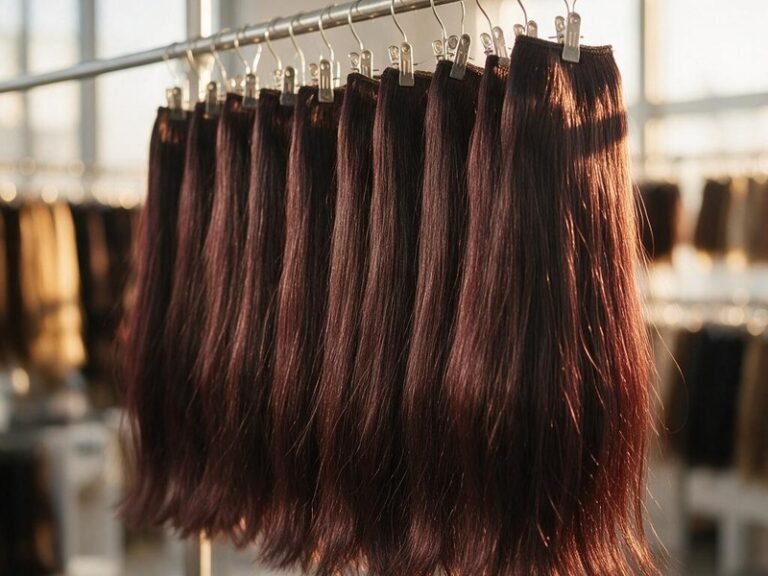
- Weft hair extensions (both machine-tied and hand-tied): The best format for balayage, full stop. The wide, flat lay of the weft shows the root melt and gradient perfectly, and you can cut wefts to customize color placement for each client. This format makes up 60% of our multi-tone outbound orders, mostly for salon installs that clock in under 2 hours.
- Tape-in extensions: A solid second for balayage, especially for clients with fine hair who don’t want the bulk of sewn-in wefts. The only downside is you can’t cut the tape tabs without ruining the adhesive, so you’re stuck with the fixed gradient on each tab. If the blend is too heavy on the root, there’s no way to adjust it without wasting product.
- K-tips and bulk hair: Way better for piano color than soft balayage. The individual strands let you alternate tones for crisp, even highlights, but the soft gradient of balayage gets lost when you’re placing individual bonds or pulling strands for braids.
Skip stocking balayage clip-ins as a small buyer, unless you do a ton of wedding and prom special event work. They sit on shelves 3x longer than permanent install formats, because most clients who buy clip-ins grab solid shades to match their at-home box color.
Quick answers to the questions we get every week
Will multi-tone extensions fade faster than solid shades?
Honestly? If you’re buying properly processed 100% virgin remy hair, no. The lift and deposit process for piano color and balayage is the same pH-balanced formula we use for solid blonde shades, so it holds up just as well to washing and heat styling. The only caveat: The lighter blonde ends on balayage will turn brassy faster if a client uses harsh sulfate shampoo or washes their hair in hard water, same as any other lightened hair. That’s a client education issue, not a product defect.
Should I match multi-tone extensions to a client’s roots or ends?
Always match the root first. The whole point of multi-tone hair is dimension, so if the root shade lines up with the client’s natural growth, the lighter midlengths and ends will blend with their existing highlights even if it’s not a perfect 1:1 end match. If you match the ends but the root is off, the install will have that obvious fake wig line, and there’s no way to fix it without full toning that defeats the purpose of buying pre-colored hair.
Is it cheaper to mix my own multi-tone from solid bundles?
For 90% of buyers, no. Mixing custom blends from solid bundles takes 2-3 hours per client, you’ll waste a ton of cut off-cuts, and you can never replicate that soft, gradual balayage melt without a professional salon color line on hand. The only time self-mixing makes sense is for one-off vivid color clients—like someone wanting a teal and black piano mix for a festival—who are willing to pay a premium for the custom work.
Don’t overcomplicate this. You don’t need 20 different multi-tone SKUs to meet client demand, you just need the 3-4 top sellers in the lengths and formats your clients already book, and a low-risk way to test new shades without dropping a ton of cash on dead stock. If you’re ready to build out your first multi-tone order, you can browse in-stock piano color and balayage shades across all formats on our shop, or shoot our team a note if you want a second opinion on which SKUs make sense for your specific market. We’ve seen too many buyers burn cash on random multi-tone shades they saw go viral on TikTok, only to mark them down 50% six months later, and we’d rather help you get it right the first time.
Send Us Your Hair Inquiry
Need bulk pricing, samples, or a private-label quote? Fill in the form and our team will get back to you within one business day.