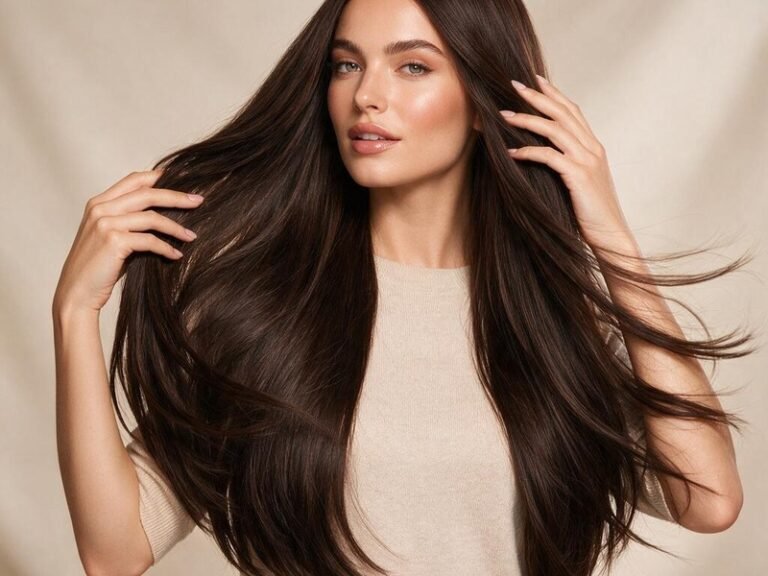
Sourcing Double Drawn Hair: What to Ask Suppliers
If you’ve ever paid a premium for “double drawn” bundles only to open the box and find wispy, tapered ends that look more like single drawn stock sold at a markup, you’re not alone. We see this happen to at least a dozen new salon and vendor clients a year, usually because they didn’t ask the specific, unglamorous questions that cut through supplier marketing speak when sourcing double drawn hair. This isn’t about tricking suppliers into giving you a deal—it’s about making sure you get exactly the hair you’re paying for, no surprises when it lands on your salon floor.
First, stop assuming “double drawn” means the same thing to every factory
I can’t stress this enough. There is no global, enforced standard for what counts as double drawn hair. When you’re comparing quotes, you’ll usually run into three common tiers sold under the same label:
- “Budget double drawn”: 30-40% of strands at full length, trimmed only at the ends, usually 10-20% lighter than labeled weight, priced 50-60% below premium options
- “Standard double drawn”: 60-70% of strands at full length, one pass of short hair removal, thick enough for most everyday styles, mid-range price point
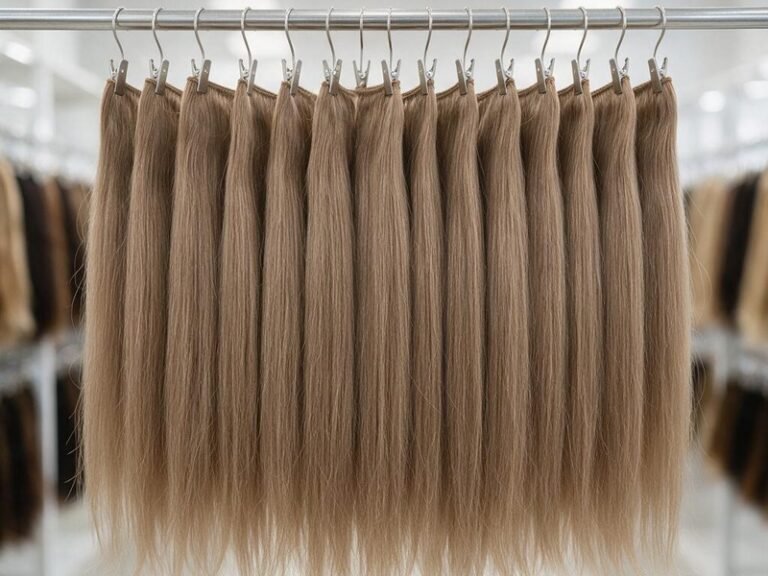
- “Premium double drawn”: 85-90% of strands within 1 inch of labeled length, multiple passes of short hair removal, thick blunt ends, priced at the top of the market
That’s a huge gap. Some factories call hair double drawn if they just trim 10% of the shortest hairs out of the bundle. Others do the full, labor-intensive process of pulling every strand shorter than the labeled length out by hand, so the bundle is thick from root to tip. The price difference between those two options is massive—like, $25 vs $80 per 100g bundle massive, for the same length and origin. If you don’t clarify this up front, you will get the cheaper version 9 times out of 10, because most suppliers will quote you the lowest possible price to win your order unless you specify exact requirements.
Ask for the actual short hair percentage, not just a marketing label
Here’s the question I wish every buyer would lead with: “What percentage of strands in each bundle are within 1 inch of the labeled length?” Real, premium double drawn hair sits at 85-90% of strands hitting that mark. The stuff that’s mislabeled? Usually 40-60%, which means you’ll have those thin, see-through ends that your clients will complain about after one wash.
Don’t accept vague answers like “thick ends” or “full from root to tip.” Ask for a number, and ask them to put it on your order invoice. If they won’t, walk away. We had a client last quarter who switched to us after a different supplier sent her 20 inch double drawn bundles where 30% of the strands were only 12-14 inches long. She lost $1,200 on that order, plus three regular clients who came in for long, thick braid styles using bulk human hair and left with wispy ends that frayed after two weeks.
Get clear on how they sort the hair, and where the waste goes
The double drawn process is tedious. Workers take raw, washed hair, sort it by length with hackles, and repeatedly pull out the shorter strands until the bundle meets the thickness target. That pulled-out short hair isn’t thrown out, usually. A lot of factories will mix those short strands back into lower-grade bundles, or even tuck a few grams of them into the middle of “double drawn” bundles to cut costs.
You want to ask if they sort hair by full length removal, or if they use the faster “root to tip trim” method that leaves short strands hidden under the top layer of hair. Also? Ask for the actual bundle weight after processing. A lot of suppliers will quote you a 100g bundle weight, but that’s the weight before they wash and process the hair, which can shrink the final weight by 10-15g if they cut corners on drying. We weigh every bundle after processing in our warehouse, right before packing, because we’ve had so many buyers tell us they got 88g “100g” bundles from other vendors that felt thin the second they held them.
If you’re ordering directly from overseas factories for the first time, a lot of these little specification gaps are easy to miss, which is why we put together a full list of checks for working with Chinese hair suppliers to avoid the most common missteps.
Don’t skip questions about blend and hair origin
I know, you think you’re ordering 100% virgin Remy double drawn hair, right? But if you don’t ask specifically, you might get a blend of 70% human hair and 30% high-heat synthetic, or a mix of fallen hair and cheaper animal hair processed to feel like human hair at first touch. That stuff looks great right out of the bag, but it tangles after one wash, melts if you use a flat iron over 300 degrees, and will have your clients blowing up your phone with complaints.
You don’t need to demand fancy lab tests for small orders, but you should ask if they will send you a 2g sample strand you can burn test before you place a full order. Real human hair burns to ash, smells like burning hair, and crumbles when you touch it. Synthetic melts into hard, plastic beads, smells like burning plastic, and leaves a sticky residue. We always send free sample strands to new buyers for exactly this reason—if a supplier refuses to send even a tiny test piece, that’s a huge red flag. If you’re not sure what to look for during those checks, we’ve got a quick guide to spotting synthetic blends that walks you through every at-home test you can run in 2 minutes or less.
Ask about MOQ breaks and price tiers, not just the per-bundle cost
A lot of buyers reach out asking for our best price on double drawn hair, then get surprised when the per-bundle price drops 15-20% once they hit 5kg, instead of ordering 10 bundles at a time. Double drawn hair has high fixed labor costs, so the price gets a lot better once you’re ordering enough volume to make a full production run worth it for the factory.
That said, don’t let a supplier push you into ordering way more stock than you can move just to hit a price break. If you’re a small salon just starting to offer double drawn installs, 1-2kg of stock across your most popular lengths is totally reasonable, and any good supplier will work with you on that instead of demanding a 10kg MOQ out the gate. We list our standard MOQs, lead times, and grade breakdowns clearly on our site, but if you have a question that isn’t covered, our FAQ page answers most of the common questions we get about order minimums and custom requests.
Also, ask what lead times look like for in-stock vs custom orders. In-stock double drawn usually ships in 2-3 business days, but custom colors or custom texture runs can take 10-14 days, depending on factory volume. If a supplier tells you they can ship 50kg of custom colored double drawn hair in 2 days? They’re pulling pre-made stock that’s almost certainly lower grade, not the premium stuff you asked for.
Quick answers to the questions we get most
Is double drawn hair worth the extra cost?
For clients who want super thick, blunt ends that hold their style through 3+ installs, absolutely. It’s not for every client, though. If someone wants a soft, layered, natural look with tapered, face-framing ends, single drawn hair will work fine and cost them 30-40% less. Don’t upsell double drawn to every client who walks through the door just because it carries a higher price tag.
Can I get double drawn hair in every extension style?
Yep, though the price varies a lot by construction. Weft hair extensions in double drawn are usually the most affordable per gram, while pre-bonded styles like k-tips cost a bit more because of the extra labor to tip each individual strand. You can also find double drawn stock for tape-ins, bulk braiding hair, and clip-ins, though those tend to sit in the mid-to-high price range depending on length.
What’s the easiest way to verify quality before placing a big order?
Order one sample bundle first. Cut the tie holding it together, run your fingers from tip to root, check for short strands tucked in the middle of the bundle, wash it a couple times, flat iron a small section, and make sure it matches what the supplier promised. It might cost you $50-$100 upfront, but it will save you thousands in bad stock and lost client trust.
You don’t need to be a veteran sourcing expert to get consistent, good quality double drawn stock. You just need to skip the surface-level marketing questions, ask for specific numbers and written guarantees, and don’t be afraid to walk away if a supplier gives you vague, pushy answers instead of straight facts. If you’re ready to browse available grades, lengths, and textures, our full in-stock selection is live on the site, and our team is always available to answer specific questions about strand count, weight, and processing before you place an order.
Send Us Your Hair Inquiry
Need bulk pricing, samples, or a private-label quote? Fill in the form and our team will get back to you within one business day.