Licensed Stylist Wholesale Program: What Salons Should Look For
If you’re a licensed salon owner or lead stylist, you’ve likely sifted through dozens of pitches for a licensed stylist wholesale program, from flashy Instagram ads to too-good-to-be-true discount emails. We talk to 10+ salon owners a week in our warehouse, and most have at least one horror story about a program that locked them into high minimums, sent mismatched hair, or ghosted them when an install went wrong. This isn’t a list of buzzwords — it’s the actual stuff to prioritize before you hand over your license to sign up.
Skip the absurd qualification hoops
Too many programs act like joining their wholesale list is an exclusive VIP club you have to beg to get into. They’ll ask for 3 months of sales receipts, require mandatory branded social posts, and force $1,000+ first orders just to get 15% off retail. That’s a raw deal for small 2-chair salons just trying to restock.
Reasonable requirements are simple: a valid cosmetology license, a quick verification call, and a $150-$200 first-order minimum so you can test quality without overspending. Watch for hidden annual membership fees, too. If they won’t waive the fee for your first trial year, walk away.
Pricing should be transparent, no hidden tier games
We’ve all seen convoluted pricing charts with 7 discount tiers, where the “real” wholesale rate only kicks in once you spend $5,000+ a quarter. For 90% of neighborhood salons, that target is out of reach, leaving you paying barely 10% off retail for hair you could grab locally.
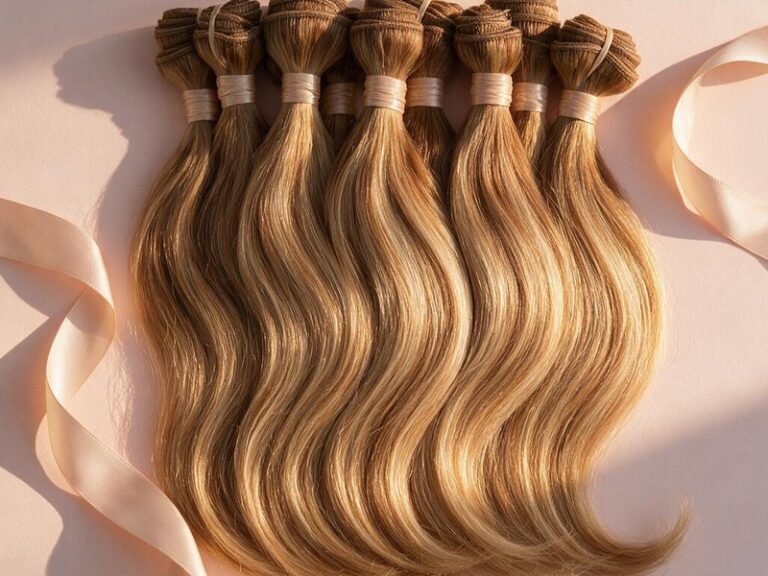
A good program lays out pricing clearly once you’re verified, no fine print, no surprise upcharges. Standard virgin human weft hair should run $28-$45 a bundle for 12-20 inch lengths, with no random “color premium” fees for natural brown shades. You shouldn’t need a custom quote to restock your most used textures.
There’s a clear tradeoff here. $15 bundles are almost always silicone-coated non-remy hair that mats after 2 washes, leaving you to redo installs for free. You don’t need top-shelf pricing for every service, but you need to know exactly what you’re paying for up front.
Hair quality has to match your clients’ expectations
You know your client base better than any vendor. If you mostly serve low-maintenance clients who want long-lasting installs, you don’t need overpriced premium hair for every service. If you do custom blonding, you need hair that lifts evenly without turning brittle. We put together a breakdown of how Russian hair takes color after stylists told us “premium” hair melted when they toned it.
Any good program lets you order 1-2 sample bundles before a large purchase. Test samples hard: wash 3 times with clarifying shampoo, flat iron at 380 degrees, check for shedding, and confirm length. Too many vendors send perfect samples, then ship lower-quality hair for bulk orders.
Variety matters, too. If you offer a mix of services, the program should carry the textures you actually use, not just one SKU. You shouldn’t juggle 3 vendors to stock bulk hair for braiding, tape-ins, and wefts. That means extra shipping costs and more last-minute mix-ups.
Lead times shouldn’t leave you panicking before big appointments
Nothing kills client trust faster than rescheduling a big event install because your order got stuck in transit with no tracking, and no one replies. We see this monthly, usually to stylists who picked the cheapest vendor without asking about turnaround.
Reliable programs share clear lead times up front: 2-3 days for in-stock shipping, 7-10 days for custom orders, with updates for delays. You get a real tracking number when your order ships, not a generic processing email that sits unanswered for weeks.
You should also know who to reach when problems pop up. Big platforms route support to reps who have never touched hair, and can’t tell a k-tip from a tape-in. Look for a consistent contact who can fix issues fast. If you’re comparing China-based suppliers, our guide to safely buying wholesale hair from China covers real factory lead times and red flags.
Don’t skip the fine print on returns
This is the part almost no one reads until there’s a problem, where 80% of programs fall short. Many have strict “no opened returns” rules, which sound reasonable until you find mislabeled or damaged hair.
Stick to programs that offer:
- 7 days to report opened-bundle defects with photo proof
- No restocking fees for unopened returns within 30 days
- Clear rules for covered defects vs. client-caused damage
We get the same two questions from most stylists:
Do I need to stock tons of inventory for good pricing?
Nope. Plenty of small salons place small orders as they book clients, and get the same rate as bigger shops. You only need bulk stock for steady same-day walk-in traffic.
Can I rebrand wholesale hair for my salon retail line?
It depends. Some programs let you add your own tags for free, others ban rebranding, and some charge private label fees. Don’t assume rebranding is allowed unless it’s in writing. Our wholesale FAQ page covers our rules with no sales pitch.
The best licensed stylist wholesale program isn’t the one with flashy ads or huge discounts. It’s the one that fits how you run your salon, doesn’t nickel and dime you, and sends hair you feel confident using on clients. Skip the hype, ask questions, and test hair before you order big.
Send Us Your Hair Inquiry
Need bulk pricing, samples, or a private-label quote? Fill in the form and our team will get back to you within one business day.