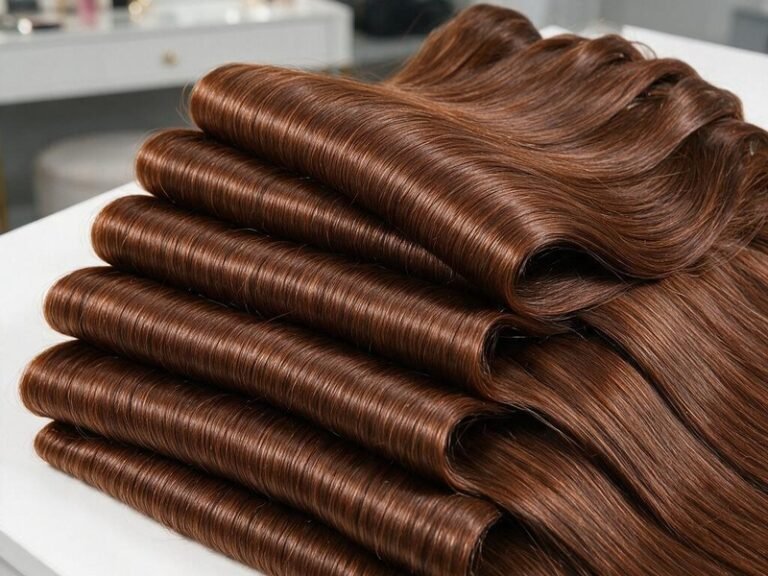
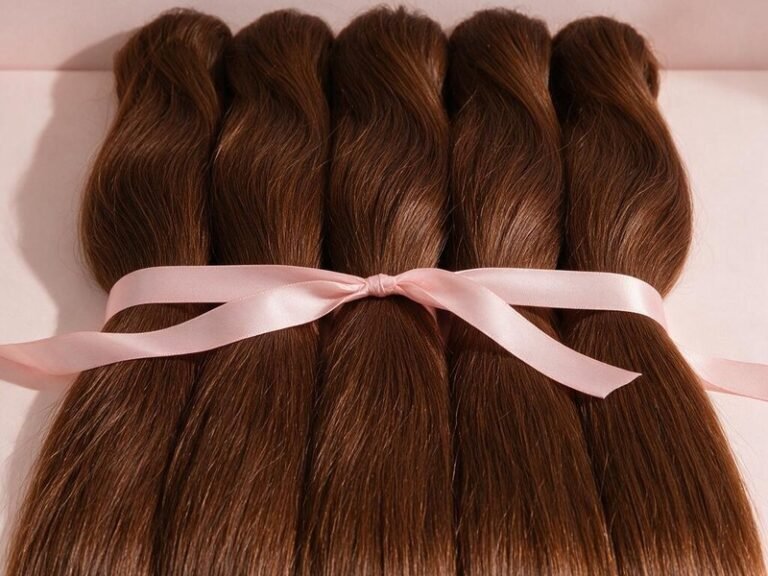
How to Buy Bulk Hair for a Salon
We talk to 20+ new salon owners a week in our warehouse, and 9 times out of 10, people learning how to buy bulk hair for a salon mess up their first order for totally preventable reasons. They either blow half their startup budget on the wrong texture, order too little of their most requested length, or get stuck with hair that mats after one wash because they chased the cheapest per-bundle price. This isn’t a fancy marketing playbook—it’s the stuff we wish every salon owner knew before they place that first bulk order, no fluff, no sales pitches.
The first rule when you buy bulk hair for a salon: Use your booking data, not viral trends
It’s so easy to scroll Instagram or TikTok and see a stylist going viral for neon pink boho braids, then drop a third of your inventory budget on 20 inch pink bulk that sits on your shelf for 6 months because none of your regular clients actually book that look. Before you even look at a supplier’s website, pull your last 3 months of service logs. If 70% of your braid clients ask for 18 inch natural black deep wave for knotless styles, that’s where 60% of your initial bulk budget should go. Don’t sink more than 10% of your budget into trend colors or lengths you haven’t had at least 3 confirmed, paid pre-bookings for. If you’re still sorting out the difference between loose bulk for braiding and wefted hair for sew-ins, our bulk hair basics guide breaks it down without jargon.
Skip the sample trap (but don’t skip samples entirely)
We see two opposite mistakes all the time. Some owners order 15 different sample bundles from 8 different suppliers, waste $300 on samples they never actually test, and drag their feet on placing a full order for 2 months while they hunt for “perfect” hair that doesn’t exist. Others skip samples entirely, drop $2,000 on a pallet of hair from the cheapest supplier they found online, and open the box to find it’s mixed with synthetic fibers that melt when a client uses a curling iron.
The sweet spot is simple. Pick 2-3 suppliers that match your price point, order one 100 gram sample bundle of your most requested length and texture from each, then run real, practical tests on it. Wash it 3 times, brush it when wet, flat iron it at 350 degrees, leave it in a test braid on a mannequin for 2 weeks. If it tangles badly, sheds more than a few strands per brush stroke, or has a weird chemical smell that doesn’t wash out after two rinses? Cross that supplier off your list. We’ve had salon owners tell us they skipped this step once and lost $1,800 on hair they couldn’t use on a single client. Not worth the risk.
Match your hair grade to your service price point
You don’t need top-tier raw virgin hair for every single client, and buying the most expensive stock across the board will kill your margins faster than a bad review. The right quality level lines up exactly with what your clients pay, and what they expect from their service:
- If your average braid service is $180-$250 and clients expect their style to last 6-8 weeks, standard Remy bulk hair works perfectly. It holds a curl, has minimal shedding, and won’t break your budget. If you’re fuzzy on what counts as true Remy (hint: a lot of suppliers lie about this), our Remy bulk hair guide clears up the common marketing tricks around the term.
- If your average sew-in or custom braid service is $350+, and clients regularly come back for reinstalls with the same hair, raw unprocessed bulk is worth the extra cost, since it can last 12+ months with proper care.
- If you run student discounts or quick, high-volume walk-in styles, non-Remy 100% human hair is fine—just be upfront with clients that it will last 4-6 weeks, and won’t hold up to frequent high heat styling.
The biggest flub we see here is salon owners buying the cheapest possible hair to save a few bucks per bundle, then having to fix 10+ client complaints a month about matting and shedding. That kills your word of mouth faster than anything. On the flip side, buying premium raw hair for a $150 quick braid service means you’re making $20 an hour at best. You can browse standard and premium bulk hair for braiding to compare price points side by side before you commit to a full order.
Get your order quantities right (no, you don’t need 50 bundles of every length)
A lot of new salon owners see wholesale MOQs and panic, thinking they have to order 10 of every single length, texture, and color to qualify for bulk pricing. Let’s be real: For a 2-chair salon just starting out, your initial bulk order should total 30-40 bundles max, split across your top 3 textures and top 3 lengths. If most of your clients book 18 inch boho braids, you’ll go through roughly 2 bundles per client, so 12 bundles of that length/texture will cover 6 clients your first month, which is more than enough when you’re first building your book.
Order 8 bundles of your second most requested length, 6 of your third, and 2 bundles each of 2-3 fun trend colors to show off on your Instagram and give clients options. Most domestic suppliers ship stock orders in 2-3 business days, so you don’t need 3 months of inventory sitting on your shelf tying up cash. If you wait until you’re down to 3 bundles of your top seller to reorder, you’ll never run out. If you already offer sew-in services, you can add small quantities of weft hair to your first order to test client demand without hitting a huge MOQ.
One non-negotiable step when your order arrives: Weigh random bundles. A standard bulk bundle should weigh 100 grams, no exceptions. We’ve heard from dozens of salon owners who ordered “bundles” from random overseas sellers that came in at 65 grams each, meaning they needed 3 per client instead of 2, and their per-service cost jumped 50% overnight. If a bundle is under the advertised weight, reach out to your supplier immediately for a replacement or credit.
Build a backup plan for supply chain snags
Every couple of years, there’s a port delay, a factory shutdown, or a random rush on 22 inch curly hair right before festival season, and salons that only work with one supplier end up canceling 2 weeks of bookings because they can’t get stock. The fix isn’t to hoard 6 months of inventory—it’s to have two reliable suppliers on call. Use one primary supplier for 80% of your stock (the one you tested samples from, that has consistent quality and fast shipping), and one secondary supplier you’ve also vetted with samples, that you can lean on if your primary is out of the length or texture you need.
Don’t wait until you’re in a pinch to vet that second supplier. Order a couple bundles from them every quarter, just to make sure their quality stays consistent and their shipping times hold up. If you’re wondering about our restock schedules, shipping cutoffs, or return policy for salon orders, all of that is laid out plain and simple on our FAQ page so you don’t have to wait on a sales rep to email you back.
Quick answers to the questions we get every week
What’s a normal MOQ for salon bulk orders?
It depends on the supplier, but be wary of any supplier that forces you to order 100+ bundles on your first go. For most small to mid-sized salons, a MOQ of 10 total bundles (any mix of lengths and textures) is totally reasonable, and lets you test stock without dropping thousands upfront. If a supplier won’t budge on a sky-high MOQ for your first order, keep shopping.
How much should I expect to pay per bundle?
This ties directly to quality. For non-Remy 100% human hair bulk, you’re looking at $20-$35 per 100g bundle. Remy bulk runs $40-$75 per bundle, depending on length and texture. Raw unprocessed bulk is $80-$150 per bundle, depending on sourcing. If you see prices way below those ranges? There’s a catch—usually mixed synthetic fibers, short hair filler, or mislabeled cuticle direction that will mat the second a client washes it.
Should I order custom colors in bulk?
Only if you have at least 5 pre-paid bookings for that specific color. Custom dyed bulk can’t usually be returned, and custom colors (like pastels, bright reds, or highlighted blends) only make up about 5% of average salon bookings, per what we see across our salon accounts. Start with 1-2 sample bundles of custom colors to show clients during consultations, then order as needed to avoid dead stock.
At the end of the day, buying bulk hair for your salon isn’t about finding the cheapest hair or the fanciest grade. It’s about matching what you stock to what your clients actually ask for, testing before you commit, and not tying up all your cash in inventory you don’t need. We’ve seen 1-chair home salons build six-figure client bases just by nailing this part, and we’ve seen fancy downtown salons close 6 months in because they blew their entire budget on viral trends no one booked. If you’re ready to put together your first salon order, take your time browsing, mix and match lengths and textures to fit your client base, and don’t be afraid to reach out with questions before you hit checkout.
Send Us Your Hair Inquiry
Need bulk pricing, samples, or a private-label quote? Fill in the form and our team will get back to you within one business day.