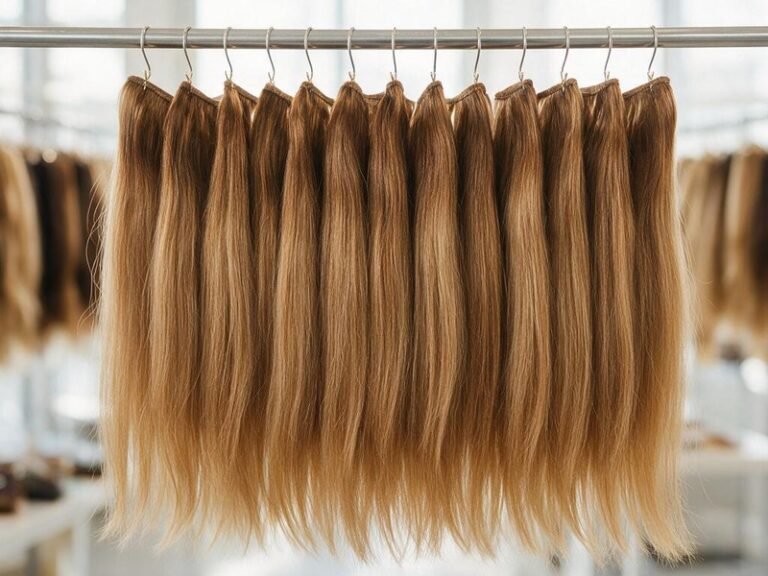
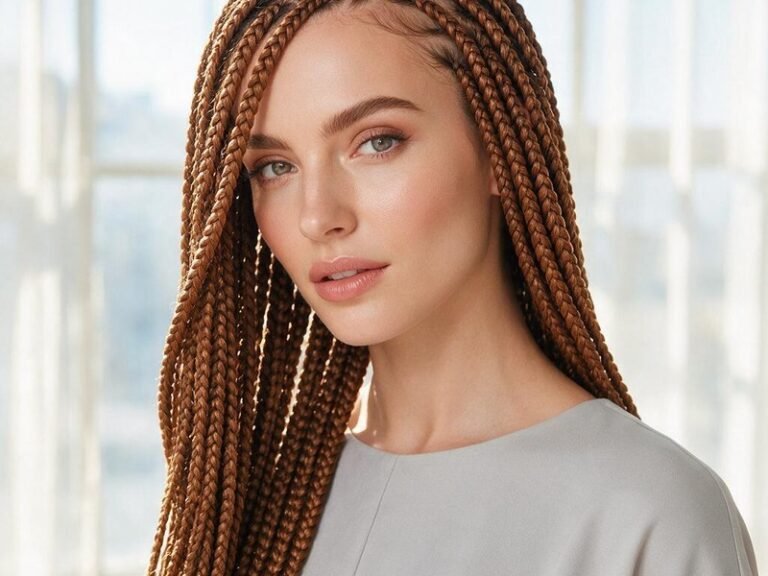
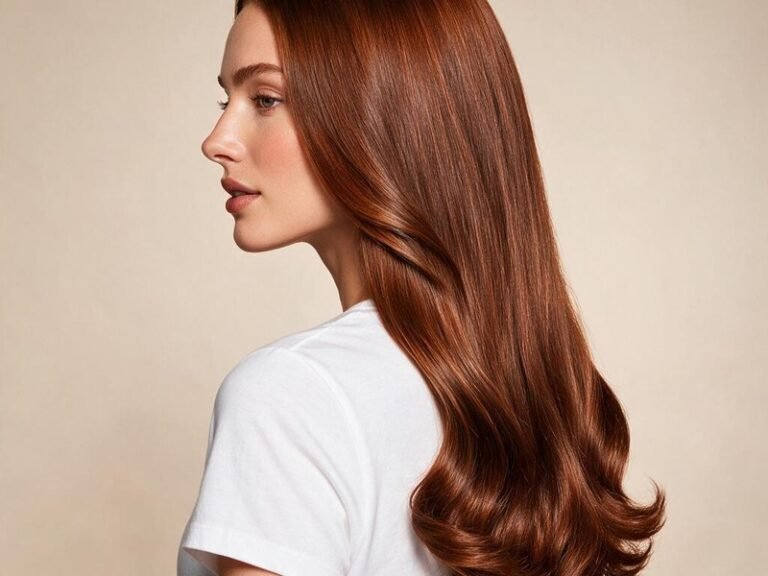
If you’ve spent any time scrolling through hair extension pages, you’ve probably seen “cuticle aligned” tossed around like it’s the golden ticket of the hair world. Maybe you’ve wondered whether it’s a real difference or just a meaningless buzzword. The short answer: it’s a very big deal. But to understand why, you need to know a little about how hair is built, why the wrong kind of extension eventually turns into a matted mess, and how the right kind can keep you looking polished for well over a year.
Hair grows out of your scalp covered by a protective layer of overlapping scales called the cuticle. Under a microscope, those scales look like roof shingles, and on a healthy strand of hair, they all lie flat and face the same direction—from the root down to the tip. That neat arrangement is what makes hair feel smooth to the touch and keeps moisture locked inside the strand. When a bundle of hair is labeled “cuticle aligned,” it means the strands come from a single donor or from donors whose hair has been kept flowing in the same direction, so every root-to-tip scale pattern lines up the way nature intended. This overlaps with what many brands mean by “Remy hair,” though Remy is more of an industry term than a regulated certification. Cuticle aligned goes a step further: not only are the cuticles intact, but they’re also uniformly oriented. Why does that matter so much? Because the cuticle isn’t just there for looks. It’s the hair’s defense system. When cuticles face opposite directions inside a bundle, every tiny movement creates friction between strands. The scales catch on each other, lift up, and open the hair’s porous cortex. Once that happens, the strand loses moisture quickly, takes on humidity from the air, and turns dry, brittle, and prone to tangling. Brushing becomes a fight, washing creates more knots, and within a few weeks, even expensive hair can turn into a nest of frizz. That’s why I always tell friends to check the cuticle direction before they spend a dime on extensions. You can feel it by running your fingers from the middle of a weft toward the ends; if it snags, the cuticle is mixed or heavily damaged. High-quality vendors understand this, which is why most of the bulk hair sold through serious suppliers is cuticle aligned by default. If you’re curious why that specific form factor tends to be the most consistent, the guide on what is bulk hair breaks down how bulk bundles are sorted and why cuticle direction is part of the sorting process. One thing worth understanding is that the hair industry often hides poor cuticle quality under a heavy silicone coating. Strands that have lost their cuticle entirely feel soft in the store only because they’re drenched in coating. But the very first wash strips that away and leaves behind rough, matted fiber. Cuticle aligned hair, on the other hand, doesn’t need that artificial mask, because the natural outer layer is already doing its job. In short, cuticle alignment isn’t a luxury feature; it’s the foundation that determines whether your extensions will feel like natural hair or like an expensive tangle magnet.
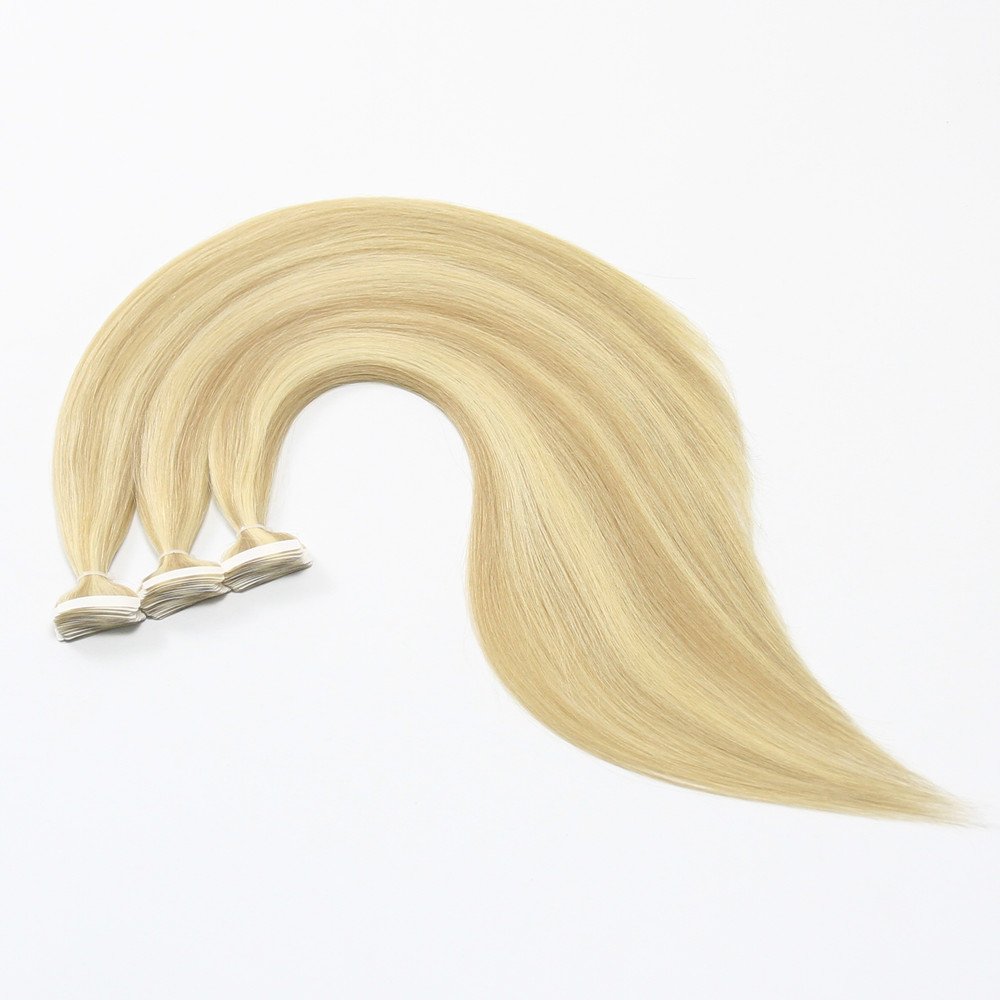
Now let’s talk about the visible difference between cuticle aligned hair and regular extensions. The first thing you’ll notice is texture. Run your fingers through a bundle of ordinary, non-aligned hair and you’ll feel resistance almost immediately, especially near the ends. Some strands are smooth, some feel coarse, and the bundle as a whole has a slightly dry or sticky quality. Cuticle aligned hair, by contrast, feels dense and silky from top to bottom, and when you pinch a strand and slide your fingers down, it moves without snags. That tactile difference carries over to how the hair behaves on your head. Regular extensions tend to tangle at the ends first because the cuticle edges are already compromised and raised. You end up trimming off an inch or two much sooner than expected just to keep the ends looking presentable. Cuticle aligned extensions stay smooth for months because the outer layer continues to seal, which means strands don’t grab each other, brushes glide through, and whatever lightweight oil you apply stays where it’s supposed to. There’s also a dramatic difference in how the hair responds to washing. Non-aligned or heavily processed hair is porous: it drinks water and product like a sponge, then expands unevenly and dries frizzy. Cuticle aligned hair behaves far closer to the hair growing out of your own head. It repels water at first, lathers up evenly, and dries into a smooth sheet when you let it air dry or use a round brush. That makes it much easier to style, whether you’re going for loose beach waves or an almost glassy straight blowout. An intact cuticle also holds color better. If you decide to tone your extensions, the pigment penetrates evenly, whereas damaged cuticles can leave you with blotchy patches. And if you’re thinking about tape in hair extensions or keratin tip hair, aligned cuticles matter even more because those methods rely on smooth, uniform strands to sit flat and stay blended. With misaligned strands, the tapes or bonds can look lumpy, and the hair is more likely to split right at the attachment point. The shine factor deserves its own mention, too. Because aligned cuticles all point the same way, they reflect light like a single sheet of satin. Misaligned cuticles scatter the light, which is why that hair looks dull no matter how much gloss spray you pile on. You can actually test this at home: hold a strand up to a window and tilt it back and forth. If part of the strand catches the light and part doesn’t, the cuticle is mixed. Once you’ve worn both side by side, honestly, the difference is impossible to ignore. Trust me, I’ve spent too many evenings hiding the ends of a cheap set in a bun. With properly aligned hair, that thought doesn’t even cross my mind.
Because the cuticle is the part that takes the most abuse, how you care for cuticle aligned hair determines how long it lasts. A well-made set of aligned extensions can easily stay beautiful for a year or more, but ordinary extensions often start looking rough after three or four months—not because the hair fiber itself dies, but because the cuticle layer erodes from friction, heat, and harsh sulfates. The good news is that a handful of simple habits can protect it. First, wash with sulfate-free shampoo and always condition from mid-length to ends, avoiding the roots if you have tape-ins or keratin bonds. Rinse with lukewarm water, because hot water raises the cuticle scales and speeds up moisture loss. After rinsing, squeeze excess water with a microfiber towel and let the hair air dry whenever possible. If you’re in a hurry, use a blow dryer on low heat with the nozzle pointed downward so the airflow flattens the cuticle instead of lifting it. And don’t over-wash. Once or twice a week is plenty, since the hair no longer receives natural oils from your scalp. Over-washing strips the tiny lipid layer that keeps the cuticle supple. Brushing is the biggest source of cuticle damage after heat, and the culprit is usually the wrong brush. A soft boar-bristle brush or a wide-tooth comb distributes natural scalp oils down the hair while keeping the strands aligned; cheap plastic brushes with rough seams tear the scales. And never fight a tangle. Start from the tips and work your way up in sections, holding the hair above the spot you’re brushing to reduce pulling force on the bonds. For heat styling, apply a protectant every single time and keep the temperature at or below 350 degrees for fine to medium hair. Anything hotter will literally lift the cuticle scales and cause the exact matting that most people blame on the hair itself. Yes, cuticle aligned hair can handle color processing, but it should be done by someone who recognizes that the intact cuticle needs a low-volume developer and minimal processing time. If you’re wondering whether a specific method or product is safe, the FAQ page at LoveAngelHair is a goldmine of care instructions and troubleshooting. I also like weft hair for women who want a durable everyday option, because a well-sewn weft distributes weight evenly across the head, which reduces tugging on individual strands and preserves the cuticle in the long run. At night, braid the hair loosely or sleep on a silk pillowcase. Cotton pillowcases create friction that roughens the cuticle while you toss and turn, and that kind of damage adds up way faster than people realize. It sounds small, but this single change has stretched the life of my own sets by several months.
Cuticle alignment also opens up far more hairstyles. Misaligned hair tends to look stringy and frizzy in loose waves, but can pass in a tight slicked-back bun because the frizz gets hidden by tension. Cuticle aligned hair, on the other hand, excels in styles that put the hair in motion: long beachy waves, high ponytail swishes, half-up braids, center part curtain bangs, and even open-backed updos. Because all the strands reflect light the same way, the color also looks richer in braided styles that wrap the hair around itself. If you’re planning a wedding chignon or pageant updo, cuticle alignment is basically non-negotiable; it gives you that thick, smooth, expensive-looking finish under bright event lighting. For everyday wear, long layers or face-framing curtain bangs flatter almost every face shape, and they’re much easier to blend when the hair isn’t fighting its own scale direction. Before you buy, there are some checks worth doing. Ask the vendor about the donor origin, whether the hair is single or double drawn, and whether the wefts are machine-made or hand-tied. Hand-tied wefts are gentler on the cuticle and lay flatter against the head, making them ideal for fine hair or thinning areas. Check whether the company offers tape-in hair extensions or K-tip hair options that match your preferred application method, because not all cuticle aligned hair comes in every form. If you like to switch things up seasonally, buying bulk hair and having a stylist craft custom tapes or wefts gives you total control over texture and quality. A good way to test quality before committing is to take a few strands and try to tangle them together with your fingers, then pull them apart. If they release easily, the cuticle is likely aligned. If they stick like velcro, you’re looking at mixed cuticle. Don’t be afraid to ask for a swatch or a video in natural light before ordering. Color matching is another place where cuticle alignment helps: healthy cuticles hold pigment uniformly, so the blend line between your natural hair and the extension stays invisible, even in direct sunlight. That alone can save you a trip back to the salon. The selection process can feel overwhelming, especially the first time, but there’s a reason stylists recommend starting with a vendor who walks you through it. At LoveAngelHair, for instance, the focus is on helping clients choose the right length, density, and method without pushing them toward the priciest option. A brand that answers questions honestly, even when that means recommending a less expensive choice, is exactly the kind you want to trust. That level of transparency is rare in this industry, and it makes all the difference once you’re untangling a cheap bird’s nest on a Saturday night, wondering where it all went wrong.
At the end of the day, cuticle aligned hair isn’t an upgrade you can skip. It’s the baseline that separates extensions that genuinely pass as natural hair from extensions that draw stares for the wrong reasons. Whether you go with tape-ins, keratin tips, wefts, or a bundle of bulk hair for a custom install, paying attention to cuticle direction will save you money, time, and a lot of frustrating detangling sessions. Start by asking questions. Read the care guides. Feel the hair with your own hands if you can. If you want to dig deeper before making a decision, the FAQ page is a solid getting-started point. So, which method are you leaning toward: tape-ins for speed, wefts for volume, or a custom bulk bundle?