Remy Hair vs Raw Hair: What Is the Difference?
If you are shopping for human hair, the terms “Remy” and “raw” can make the decision seem more complicated than it really is. Both are widely used in the hair industry, but they describe different characteristics. When comparing Remy hair vs raw hair, the first thing to understand is that neither term should automatically be treated as a universal quality ranking. The actual quality of a product depends on the hair itself, how it was collected, how it was processed, and how carefully it is sorted and manufactured.
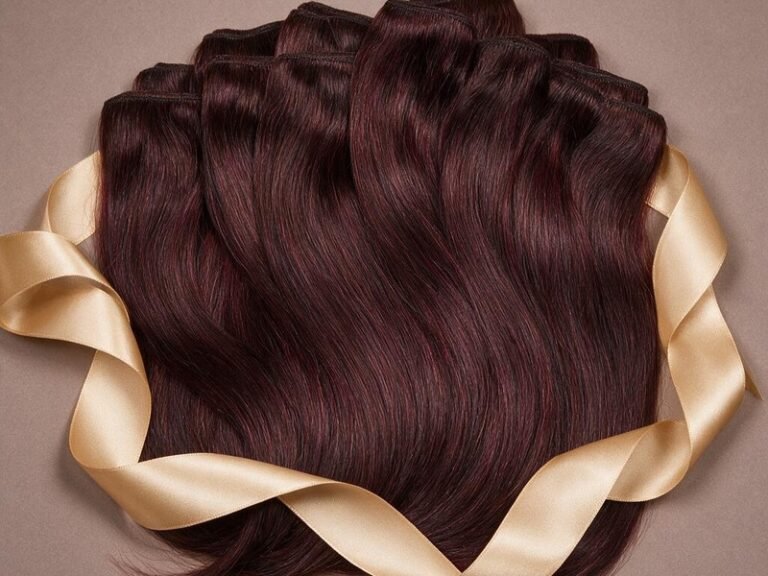
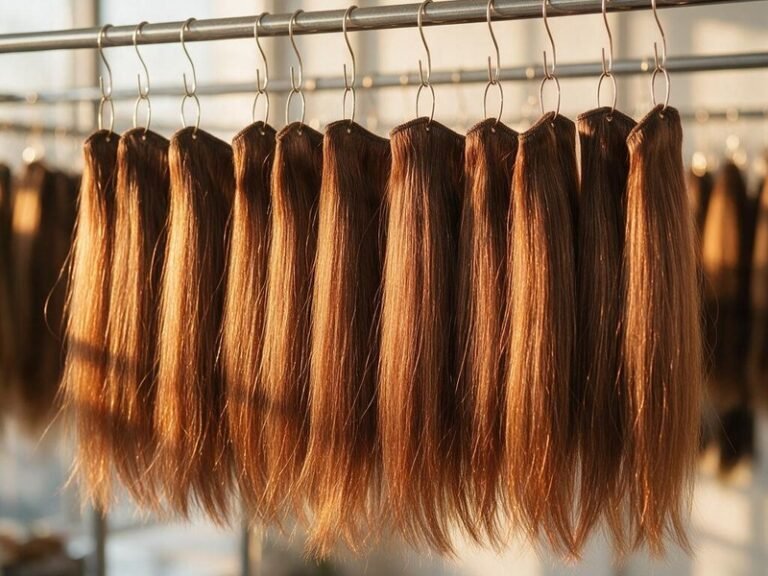
Remy hair generally refers to human hair that has been collected and handled so that the cuticles remain aligned in the same direction. This alignment can help the hair feel smoother and behave more naturally because the cuticle layers are not randomly facing opposite directions. Remy hair may be sold as loose hair or as finished extensions, depending on the supplier and product.
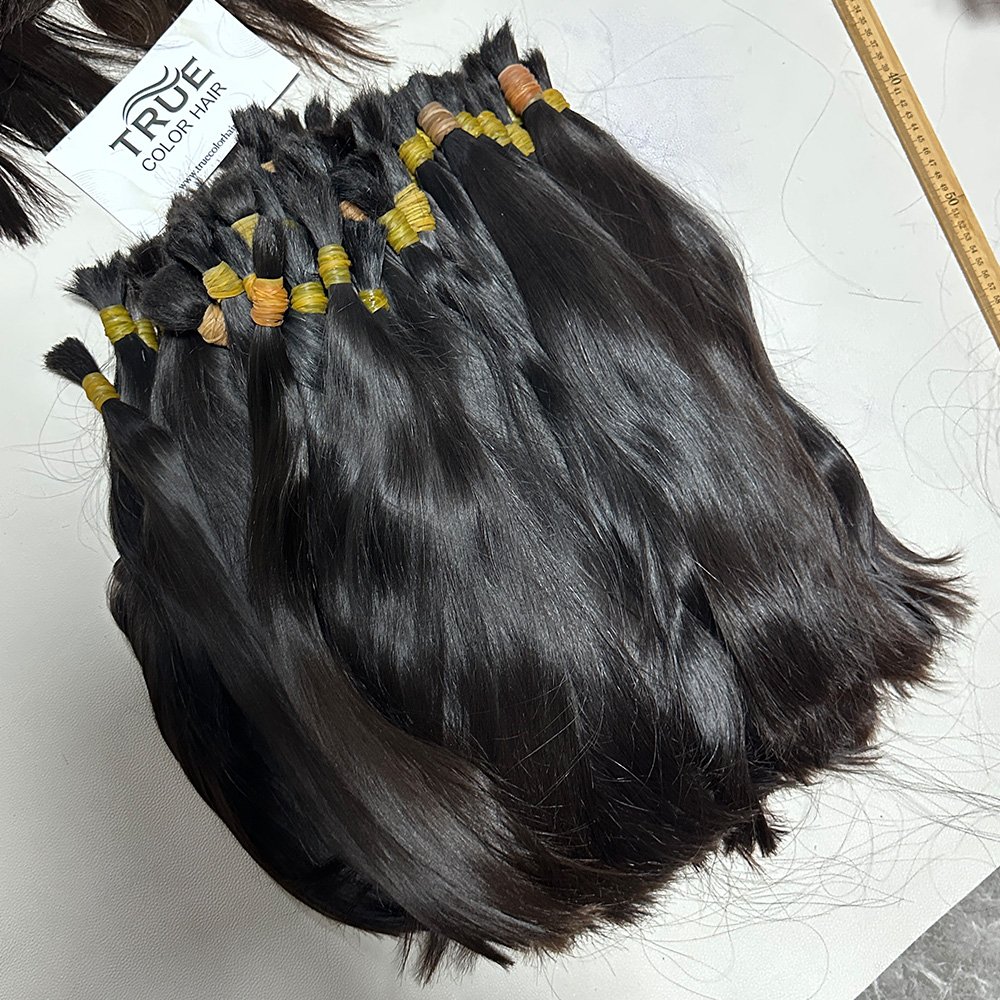
Raw hair is generally described as human hair that has undergone little or no chemical processing and retains many of its natural characteristics. It is often sold as loose hair, including raw bulk hair, which can later be manufactured into different extension formats. Raw hair may still be cleaned, dried, sorted, and prepared for production. “Raw” does not mean the hair has never been touched or prepared; it mainly refers to the degree of processing being claimed.
This is why the two categories can overlap. Raw hair can also be cuticle aligned, and a Remy product can be chemically processed after the hair is collected. The labels answer different questions: Remy focuses largely on cuticle direction, while raw focuses on the level of processing and preservation of natural characteristics. For buyers, that distinction is much more useful than simply asking which label sounds better.
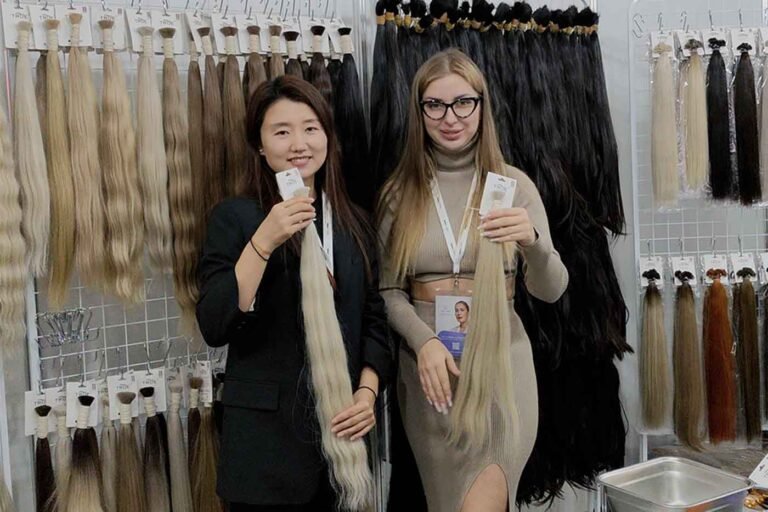
When evaluating a product, ask the supplier what the terms mean for that specific hair. A trustworthy bulk hair supplier should be able to explain sourcing, processing, sorting, cuticle handling, and available specifications clearly. If those details are vague, the label alone is not enough to judge the product.
Cuticle Alignment, Processing, and Hair Quality
One of the most important differences between Remy and raw hair is the way the hair is handled. With Remy hair, maintaining the cuticle direction is a central part of the product definition. The strands are arranged so the cuticles generally point in the same direction. This matters because the cuticle is the outer protective layer of the hair shaft. When strands are arranged consistently, they can feel smoother and move more naturally against one another.
Raw hair is different because its main selling point is usually the limited processing and preservation of the hair’s natural characteristics. A raw product can still be sorted by length, texture, and color. It can also be cleaned and dried before sale. The important distinction is whether chemical treatments have been used to alter the hair. Buyers should ask exactly what preparation the supplier performs instead of assuming that “raw” means completely untouched.
This also explains why cuticle aligned hair is a useful term when comparing suppliers. Cuticle alignment and raw status are not the same thing. A raw hair product may have aligned cuticles, but buyers should confirm this rather than assume it. Likewise, Remy hair can be available in many textures and finished products, and the word Remy alone does not tell you everything about processing history.
For businesses, consistency is another major consideration. If you are buying hair for repeated production, you need more than one good sample. You need a supplier who can maintain similar specifications across future orders. This is especially important when purchasing bulk human hair for a growing brand or manufacturing operation.
The best way to compare the two is to look at the actual sample. Check the feel, ends, texture, movement, cleanliness, and overall condition. If the hair will be colored or processed, ask what the starting material has already been through. A product with less chemical processing may give you a different starting point than hair that has already been altered, but final results will always depend on the individual hair and the processing method used.
Which Is Better for Extensions and Custom Hair Products?
There is no single answer to which is better between Remy and raw hair because the right choice depends on how you plan to use it. Remy hair can be a practical choice when consistent cuticle direction and a smooth feel are important. It can be used in finished extensions as well as in manufacturing, depending on the product. Raw hair can be especially useful for businesses that want a more natural starting material and greater flexibility in creating custom products.
For example, a salon looking for ready-to-install extensions may be more interested in finished products than in loose raw material. A manufacturer or private-label brand, however, may want loose hair that can be turned into a specific extension design. If you are researching weft hair, tape-in hair extensions, or K-tip hair extensions, remember that these terms describe finished extension formats rather than whether the underlying hair is raw or Remy.
Coloring is another consideration. Some buyers choose raw hair because they want a less processed starting material for custom coloring. However, this does not mean every raw product can automatically achieve every color or that results will be identical. The hair’s natural color, structure, previous handling, and the coloring technique all matter. Always test the specific hair you intend to use before making broad production assumptions.
If you are new to loose hair, our guide to What Is Bulk Hair explains how bulk hair differs from finished extension products. Understanding that distinction can make it easier to decide whether you need a raw material for manufacturing or a finished extension for installation.
In short, Remy is often a strong fit when cuticle alignment is a priority, while raw hair may be a better fit when minimizing chemical processing and preserving natural characteristics are more important. Neither description guarantees superior performance on its own. The supplier’s actual handling and the quality of the individual hair matter just as much.
How to Choose Between Remy and Raw Hair
Start with the end product you want to create. If you are a salon, decide whether you need ready-to-install extensions. If you are a hair brand, manufacturer, or wholesale buyer, decide whether you need loose hair for production or finished extensions. Your answer will narrow the choice before you even compare Remy and raw specifications.
Next, create a simple specification sheet. Include length, texture, natural color, quantity, desired processing, and target extension format. Then ask suppliers whether the hair is chemically treated, how the cuticles are handled, how it is collected, and how the hair is sorted. Do not hesitate to ask what they mean by “raw” or “Remy.” Clear terminology is important because these labels are not used identically by every seller.
Samples should be part of the buying process, especially for wholesale orders. Compare the hair side by side and test it in the way you expect customers to use it. Look at the ends and texture, check how it moves, and evaluate how it responds to washing and styling when appropriate. If coloring is part of your business, test the exact process you intend to use rather than relying on a general claim.
You should also evaluate the supplier, not just the hair. Look at product information, communication, quality-control practices, and the ability to support repeat orders. The company’s About Us page can provide background, while the FAQ page may help with common product, ordering, and shipping questions.
Ultimately, the better choice is the one that matches your needs and can be supplied consistently. Remy hair and raw hair are not competing labels where one always wins. Remy focuses on cuticle alignment; raw focuses on minimal processing and natural characteristics. Once you understand that difference, you can compare samples more objectively and choose the hair that makes sense for your salon, brand, or production process.