# === 20261112-011242 auto_refill keyword-expansion ===
The # === 20261112-011242 auto_refill keyword-expansion === plan means restock wholesale human hair SKUs that already sell, then test one related item buyers search for. It prevents stockouts on core money makers without tying cash to ten unproven textures. Here’s how we’d run it from our warehouse.
How does auto-refill work for wholesale hair orders?
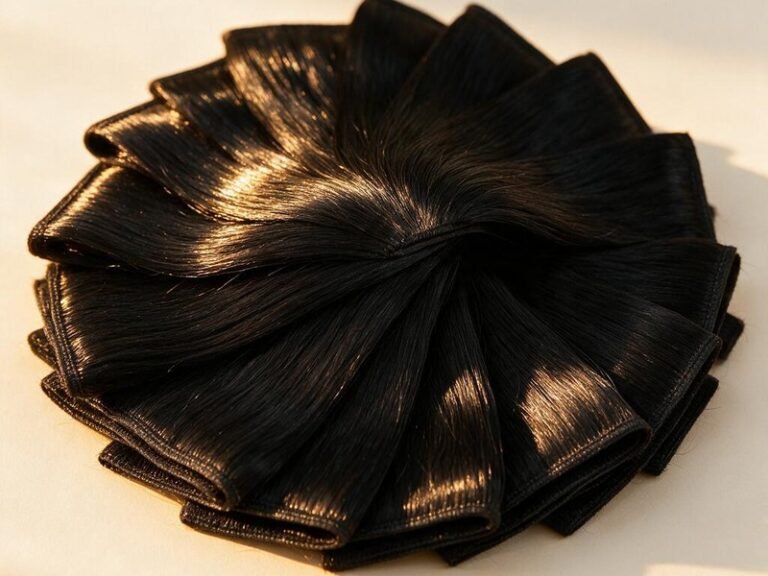
Pull 90 days of sales and reorder lengths and textures that repeatedly sell, not ones that looked good online. For most US buyers, that’s straight or body wave in 18, 20, and 22 inches, usually as machine-weft hair for sew-ins. A weft is hair sewn onto a track for sew-in installs. Stock colors often ship in 7-10 business days; custom colors or long lengths may take 2-4 weeks, so reorder before you’re down to two pieces.
Which keyword expansions are actually worth buying?
A keyword expansion is a nearby term buyers already use—like “loose deep wave” if you sell body wave, or “26 inch” if 24 inches sells out. Don’t chase a viral term just because search volume looks big; check DMs, salon notes, requests, and local competitors. The safest test sits next to something you already move, since clients trust your quality and may just want a new curl or length. If braiders keep requesting hair they can boil or seal, that beats a trend report.
Which products are safest to add first?
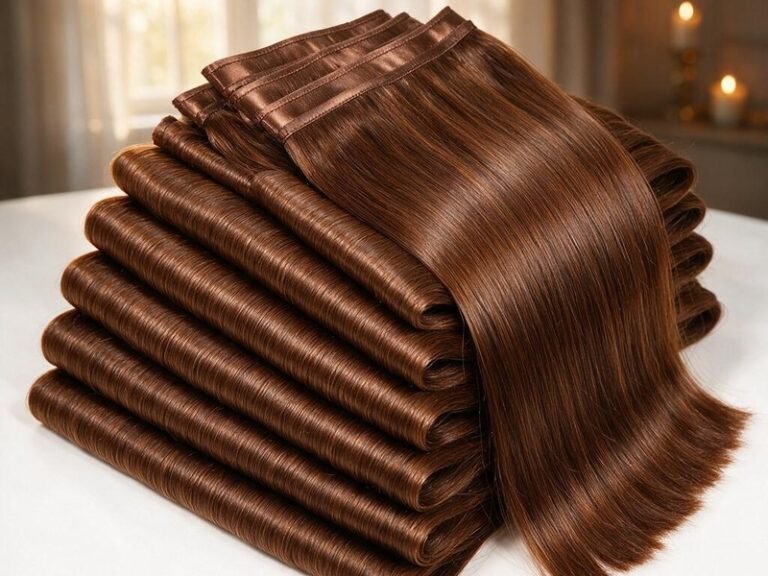
If your core line is sew-in wefts, adjacent textures and lengths are safest because quality and installs stay familiar. For braiders, bulk hair for braiding—loose, track-free human hair for knotless or box braids—sells to the same audience without new tools. Tape-in hair, small sandwich wefts applied with adhesive tabs, is another smart add, but you’ll need shade matching and training. Clip-ins can work for retail too; this clip-in hair extensions for resale guide explains tradeoffs, but don’t launch every type at once.
How much of your order should go toward new SKUs?
Use roughly 70% of your budget on refills, 20% on adjacent expansion, and 10% on one test. On a $5,000 order, that’s $3,500 protecting known sellers, $1,000 testing nearby items, and $500 for a wild card. Minimum order quantities (MOQs) often start near 50 pieces per texture or length, so keep tests narrow. Samples cost more upfront, but they beat sitting on 50 bundles that shed or tangle. These tips can also help you avoid overpaying for wholesale weave.
Why do cheap bundles sometimes cost more later?
The cheapest quote often uses mixed cuticles or hair processed so heavily it dries after one wash. Cuticle aligned means outer scales run one direction, reducing matting; Remy means cuticles stay aligned, though quality varies. A 100-gram bundle is about 3.5 ounces; longer bundles can look skimpy because they weigh the same with tapered ends. If a supplier won’t send samples or list grams, length, and processing honestly, keep looking. You can shop wholesale hair extensions with those details shown instead of trusting a filtered photo.
How often should I place a wholesale refill order?
Review inventory every 30 days and refill every 6-8 weeks if sales are steady. That leaves time for production, shipping, and customs without panic-buying locally. Move the order up two weeks before prom or paid ads.
Should I expand based only on search volume?
No. Search volume shows buyer language, but it doesn’t prove they’ll pay your price or like your quality. Start with client requests, then test samples before a full MOQ.
Pull 90 days of sales, refill the winners, and test only one nearby product. If weights or textures feel unclear, send us your current list and we’ll help you separate real demand from noise.
Send Us Your Hair Inquiry
Need bulk pricing, samples, or a private-label quote? Fill in the form and our team will get back to you within one business day.