What Is Considered Virgin Hair: Everything You Need to Know
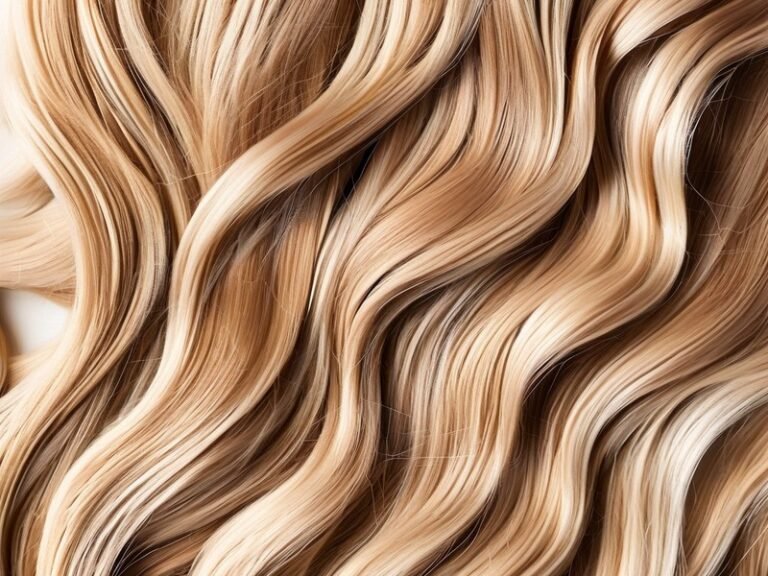
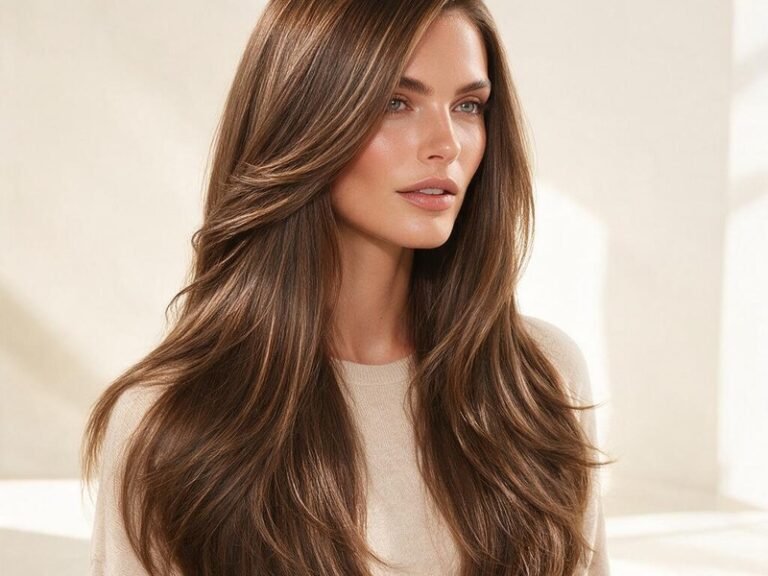
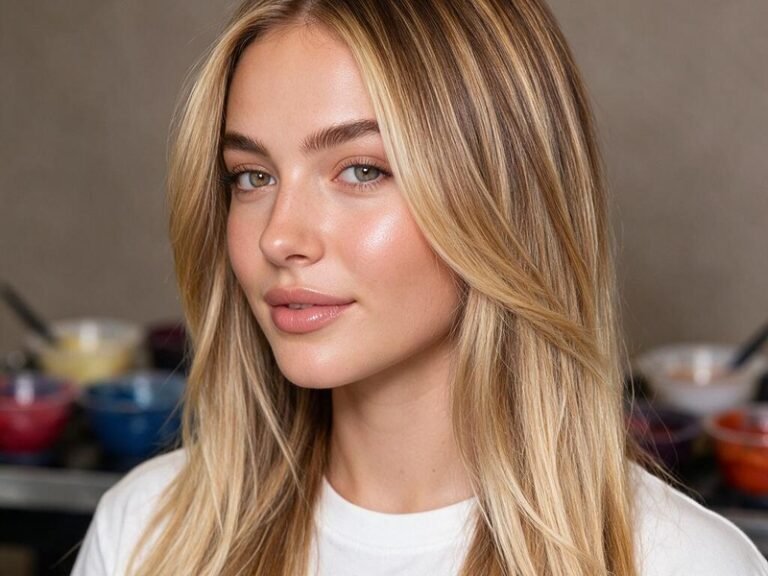
Virgin hair is unprocessed human hair that has not been chemically treated, dyed, permed, bleached, relaxed, or coated to change its natural look. For B2B buyers, the key point is simple: real virgin hair should come from one donor or a controlled donor pool, keep its natural cuticle, and arrive without silicone or acid baths hiding damage.
What Exactly Counts as Virgin Hair?
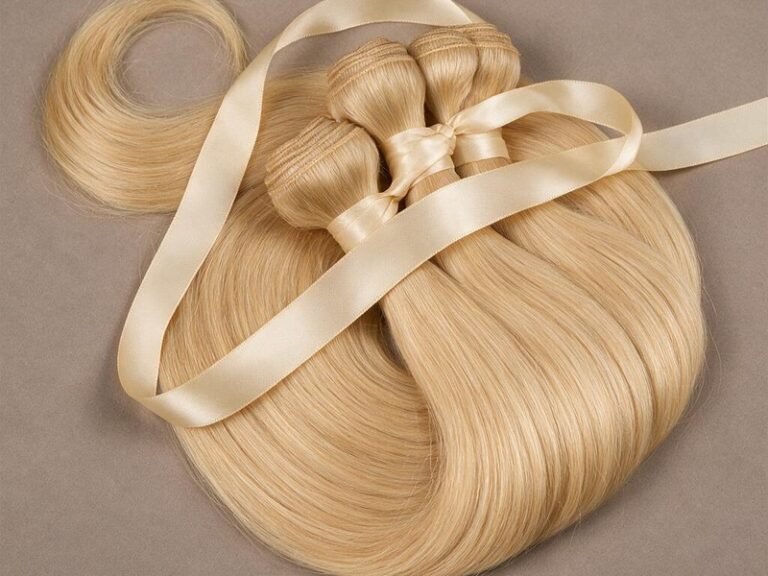
In the extension business, virgin hair means the hair has kept its original state from donor to weft. A weft is the stitched or machine-sewn track that bundles loose hair into an installable piece. An install is the salon method used to attach extensions, such as sew-in, glue-in, tape-in, clip-in, or fusion.
True virgin hair can still be washed, sorted, sanitized, combed, sewn, and steam-shaped. Those are normal manufacturing steps. What it should not have is permanent chemical processing, including permanent color, bleach, perm, relaxer, keratin straightening, or harsh texturizing.
Natural color matters, too. Most virgin hair is not pure black. Depending on the source, it may be natural dark brown, natural off-black, or soft brown with natural highlights. If every bundle from a supplier is the same blue-black shade with an unusually glossy finish, ask whether the hair has been dyed or coated.
Virgin hair is not automatically perfect hair. It can have natural dryness, shorter filler hairs, split ends, curl variation, or color variation. Those traits do not disqualify it. Chemical processing, mixed synthetic fibers, stripped cuticles, and fake donor stories do.
For wholesale, the safest definition is operational: unprocessed, fully human, cuticle intact, ethically collected, and honestly labeled. If a vendor cannot explain how the hair is collected or processed, the “virgin” tag may just be marketing.
Is Virgin Hair the Same as Raw Hair?
No. Raw hair usually means hair collected directly from a donor with very little processing beyond washing, sorting, and sewing. It is often described as the most natural category because it has not been steam-styled into uniform curl patterns or heavily standardized for mass production.
Virgin hair can be lightly steam-processed to create a consistent body wave, straight, curly, or deep-wave pattern while still avoiding chemical treatment. That means all raw hair should be virgin if the label is truthful, but not every virgin-hair product is marketed as raw hair.
Raw hair tends to show more donor variation. Two raw curly bundles may differ in curl size, fullness, and response to humidity. Virgin hair lines sold in standard textures are often blended within a controlled donor group and steam-set so salon owners receive more predictable inventory.
The buyer trade-off is consistency versus natural character. Raw hair can give a very natural result and excellent longevity, but matching multiple bundles may require more hands-on sorting. Standard virgin hair is easier to merchandise and reorder, yet some factories use that term loosely after dyeing or coating the hair.
If you are selling premium collections, ask your supplier whether texture is created by steam only, whether the hair is single-donor or multi-donor, and what kind of color variation your clients should expect. Those answers tell you more than a swatch card.
Virgin Hair vs. Remy Hair: What Buyers Should Not Confuse
Remy means the hair cuticles are kept aligned in the same direction, usually from root to tip. Remy is primarily about cuticle direction; it does not automatically mean the hair is unprocessed. Remy hair can be dyed, lightly processed, or color-treated and still be Remy if the cuticles remain aligned.
Cuticle aligned means the outer protective scales of the hair all run the same direction. That helps prevent tangling, matting, and excessive shedding. Virgin hair should be cuticle aligned when properly handled, but “cuticle aligned” by itself is not a promise that the hair was never colored.
Non-Remy hair is collected from mixed sources, often with roots and tips going different directions. Factories may acid-wash the cuticles to reduce tangling and then add silicone to make the hair feel soft. That finish can look good at first, but after a few washes the coating fades and tangling often shows up.
Here is a practical buying checklist:
- Virgin: no chemical color, bleach, perm, relaxer, or texturizer.
- Remy: cuticles aligned in one direction, but processing may still exist.
- Raw: minimally handled donor hair with natural texture and more variation.
- Cuticle aligned: a quality condition, not a complete grade by itself.
- 100% human hair: may still be processed, mixed, or low-quality.
- “Virgin Remy”: should mean both unprocessed and cuticle aligned; verify before private labeling.
Do not let a supplier use these words interchangeably. A clear vendor should be able to tell you the donor source, processing method, cuticle direction, color process, texture process, and expected lifespan under normal salon care.
How Can You Tell if Hair Is Really Virgin?
Start with smell and feel. Freshly opened virgin hair may have a slight sterilization or factory scent, but it should not smell strongly of chemicals, perfume, or burnt plastic. It should feel soft because of natural hair oils and clean processing, not because of a heavy oily or waxy coating that comes off on your hands.
Run your fingers upward from tip to root gently. Healthy cuticle-aligned hair should feel slightly resistant in that direction, then smoother when you run your fingers root to tip. If both directions feel unnaturally slick, especially before washing, the hair may be silicone-coated. If it feels chalky or squeaky, the cuticle may have been stripped.
Wash a sample before placing a large order. Use a gentle sulfate-free shampoo, avoid heavy conditioner near the weft, and let the hair air dry. Coated hair often changes dramatically after two or three washes: it becomes drier, frizzier, more tangled, or much duller. Good virgin hair should still move naturally and remain manageable.
Check shedding honestly. A few loose hairs from sewing or cutting are normal, especially right after installation. Continuous widening of the weft, clumps of hair in the comb, or matting at the nape are not normal. Also inspect the weft construction: tight machine stitching, reinforced edges, and clean fold-over work reduce installation loss.
A burn test is sometimes mentioned, but it only helps identify obvious synthetic or heavily mixed fibers; it does not prove hair is virgin. Human hair burns quickly with a curled ash and a keratin smell, while synthetic hair often melts and forms a hard bead. Do not rely on this test alone, and never damage saleable inventory without a sample.
Color response is another useful signal. True virgin hair can be colored, but it lifts differently based on donor origin, natural depth, and porosity. Hair that claims to be virgin but refuses color evenly, releases odd dye, or has an unnatural blue-black cast deserves a closer conversation with the factory.
What Should Wholesale Buyers Check Before Ordering Virgin Hair?
Before you commit to a private-label line, order samples from at least three production batches if possible. A vendor can send one perfect bundle, but consistent weight, length, texture, weft quality, and color matching are what protect your salon or retail reputation. Reorder the same texture after a few weeks to see whether batch two matches batch one.
Verify length and weight the way your customers will. Bundle length is measured when the hair is straight, even for curly and wavy textures. Common machine weft bundle weights are around 95 to 105 grams per bundle, though some premium lines use 100 grams or 3.5 ounces as a standard. Ask for exact weight instead of accepting “full bundle” language.
Understand the pieces your clients may need. A closure is a small lace or silk base piece, often 4×4 inches, used to close a sew-in without leaving natural hair out. A frontal is a wider ear-to-ear piece that recreates the front hairline. Bulk hair is loose hair without a weft, commonly used for braiding or custom fusion work.
Other extension methods need matching quality standards. A tape-in uses adhesive tabs near the root; a k-tip is a keratin-bonded strand applied with heat. For these, cuticle quality matters even more because the hair stays in the client’s hair for weeks and cannot be replaced as easily as a sew-in bundle.
Density refers to how full a wig, closure, frontal, or set of extensions looks. Higher density uses more hair, changes cost, and can affect comfort. Do not confuse density with length: a 28-inch bundle at low density will look stringy even if the length measurement is correct.
Ask direct sourcing questions:
- Is the hair single-donor, dual-donor, or blended from a controlled donor pool?
- Has it been dyed, bleached, permed, relaxed, or chemically straightened?
- Are textures created by steam setting, chemical texturizing, or both?
- Are cuticles kept root-to-tip aligned, and how does the factory verify that?
- What is the exact gram weight, length tolerance, and standard bundle ratio?
- What is the MOQ for stock hair, custom packaging, and private labeling?
- What is the lead time during normal and peak seasons?
- What happens if a batch has weft defects, excessive shedding, or major texture mismatch?
For most B2B orders, stock virgin bundle MOQs can start around 10 to 50 pieces depending on the supplier, while custom labels and boxes often require higher minimums. Production lead times may range from 2 to 7 business days for stocked textures and 2 to 4 weeks for custom packaging or special orders. Peak sale seasons can stretch those timelines, so book early.
Price is also a signal. Premium virgin hair costs more because donor collection, sorting, cuticle alignment, hand inspection, and controlled processing take labor. A price that seems too low often means non-Remy hair, short filler hair, weak wefts, mixed fibers, or heavily coated processed hair sold under a virgin label.
Does Virgin Hair Last Longer, and What Are the Downsides?
Quality virgin hair can last longer than cheap processed hair because the intact cuticle gives better strength, moisture balance, and styling flexibility. Many clients can get multiple uses from good bundles, especially with a gentle install, proper cleansing, and regular moisturizing. Still, lifespan depends on texture, length, maintenance, styling heat, color work, and how the hair is stored.
The honest downside is that virgin hair is less uniform. Natural donors produce different curl patterns, hair densities, porosity levels, and natural shades. If your brand promises that every bundle will look exactly like a single influencer photo, you will create returns and salon complaints.
Virgin hair is also not maintenance-free. Clients must avoid heavy oils on lace, excessive glue, harsh shampoo, repeated high heat, and sleeping on wet hair. Curly textures need more hydration and detangling than straight textures. Long lengths are more vulnerable to dry ends because the hair has been growing for years before collection.
Color services add risk. Even unprocessed hair can be over-bleached by a stylist, and going from natural dark brown to platinum in one session can weaken bonds and create shedding. Advise salon customers to lift gradually, use quality products, and keep lightener away from wefts, knots, tape tabs, and keratin tips.
Recommended care is straightforward: detangle from ends upward, wash in lukewarm water, use sulfate-free shampoo and moisturizing conditioner, rinse thoroughly, and air dry when possible. Clients should braid or wrap curly hair before sleep, avoid repeated 450°F styling, and use a low-heat setting for tape or bond maintenance.
A realistic wholesale position is to sell virgin hair as a premium, natural, colorable product with expected variation—not as an indestructible product. Your product pages and salon consultations should explain texture, density, length measurement, color lift, and care before purchase.
Common Questions About Virgin Hair
Can virgin hair be dyed and still be virgin?
Before dyeing, it can be virgin. Once the hair is permanently colored or bleached, it is chemically processed and should no longer be sold as virgin. It may still be high-quality Remy human hair, but the label needs to change.
Is all virgin human hair Remy?
Virgin hair should ideally be Remy or cuticle aligned, but the terms do not mean the same thing. A supplier could technically sell unprocessed hair with mixed cuticle directions, though it would usually tangle and feel rough, so it would not be considered premium extension quality.
If you are sourcing virgin hair for your salon, boutique, or resale brand, send us your target texture, length range, gram weight, and order quantity. We can help you compare realistic batch options, MOQs, lead times, and care expectations before you commit inventory.
If you want the full background before you order, our guide on What Does Double Drawn Hair Mean: Everything You Need to Know walks through it in plain terms.
Send Us Your Hair Inquiry
Need bulk pricing, samples, or a private-label quote? Fill in the form and our team will get back to you within one business day.