How to Pick Hair Extension Textures for Humid U.S. Markets
If your clients are in Atlanta, Houston, Miami, New Orleans, Charlotte, or even coastal parts of the Northeast, humidity changes what sells. Hair that looks perfect in a dry salon can puff, tangle, or lose its bend by the time a client walks to the car. Here’s how we’d suggest buying hair extension textures for markets where moisture is the normal problem, not an exception.
Start with what humidity actually does to the hair
Humid air adds moisture back into the hair shaft, so textures that are over-straightened, over-processed, or heavily styled tend to fight the weather first. That’s why a pin-straight bundle can frizz at the crown while a softer wave just gets a little bigger. You also have to consider the client’s routine: someone who wraps her hair every night has a different result from someone who gyms, sweats, and pulls it up.
We see buyers assume coarse texture means low maintenance, but that’s not always the answer. A tight curl can hide frizz better, but it can also knot if the cuticle is weak. For humid markets, spend more of your budget on cuticle quality and less on a perfect showroom curl pattern.
The textures that usually work harder in sticky weather
If you want a practical starting order, think body wave, loose deep wave, kinky curly, and yaki or kinky straight for textured-hair clients. Body wave is forgiving because some expansion looks natural, though it can loosen in long lengths. Loose deep and curly patterns hide swelling and reversion better, but they need moisture and detangling; otherwise the return claim says “bad hair” when the real issue was dryness.
Kinky straight is strong in humid cities because it already matches a blown-out or natural-pressed look that isn’t supposed to be glassy straight. If you serve relaxed, natural, or color-treated clients, this texture-matching guide can help you compare finishes without guessing. Just don’t promise a heat-free silk press in 80% humidity; that’s how clients get disappointed.
Straight hair still sells, but buy it differently
Straight bundles aren’t off-limits in Houston or Miami, but they need realistic expectations and better installation advice. Silky straight looks amazing for special events, yet fine, processed straight hair is usually the first to react when dew points climb. If clients want daily wear, choose fuller-density straight hair, suggest fewer leave-outs, and recommend wrapping or rolling at night.
Yaki straight usually performs more naturally than silky straight for everyday clients because minor texture and volume fit the environment. It also blends better with relaxed hair and natural hair that has been blown out. Our yaki stocking guide breaks down which markets usually favor light yaki versus coarser kinky straight.
Pick the construction before you chase curl names
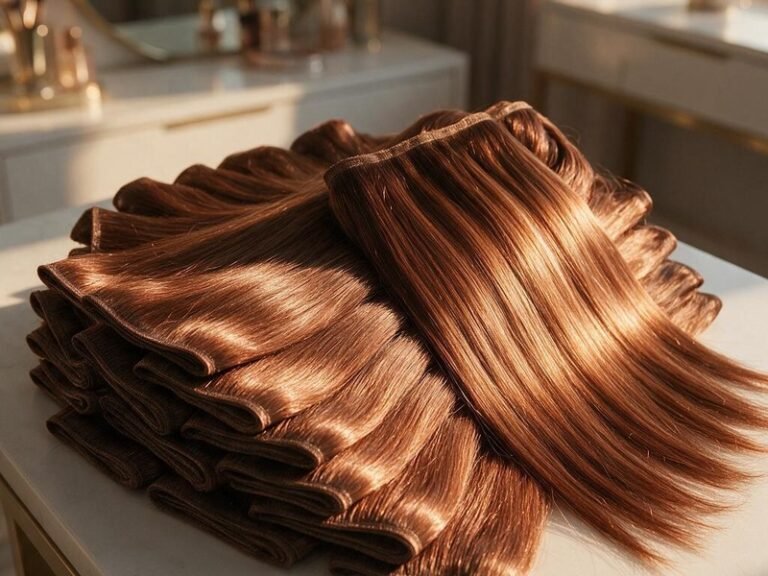
The texture is only half the order; the product type changes how humidity feels to the client. If you’re stocking sew-ins and salon bundles, weft hair gives you easy inventory and reliable margins, especially in 18–26 inch. For braiders building boho and knotless styles, bulk hair for braiding should be tested in curly and deep-wave patterns because those curls get touched and washed constantly.
Tape-ins can work well, but high heat, sweat, and oily leave-out can affect tape hold, so application and replacement timing matter. K-tips are popular for clients who want wear-up versatility, but they’re a bigger service investment and need a certified stylist. If you’re comparing methods, our shop all hair extensions page is an easy place to organize stock by category instead of mixing every style into one order.
A simple stock list for a humid-city launch
- Body wave: 12–22 inch, 100g bundles, because it moves well and hides light frizz.
- Loose deep wave: 18–26 inch for clients who want volume without a tight curl.
- Kinky curly: start with 3–5% of inventory if your market is new to natural curls.
- Light yaki: strong everyday seller for relaxed and blown-out natural hair.
- Kinky straight: stock shorter lengths first; 28 inch and up costs more and tangles easier.
- Straight: keep it, but position it as sleek-event hair, not zero-frizz daily hair.
- Bulk curly: order sample colors first, then scale the 1–2 patterns your braiders actually use.
For a first container or wholesale run, don’t buy every curl pattern in every length. We’d usually put about 40–50% into body wave and straight basics, 30–35% into deeper waves and curls, and 15–20% into yaki or kinky straight. That mix changes by city, but it keeps cash from getting trapped in 30-inch curly hair nobody tested. Lead times matter too: custom labels and mixed textures often take longer than a basic bundle reorder, so plan around salon season instead of ordering after demand starts.
Which hair texture is best for very humid weather?
For most everyday clients, body wave, loose deep wave, and kinky curly are safer than silky straight because some fullness looks intentional. The real “best” texture also depends on her natural hair, lifestyle, and whether she’ll moisturize and detangle regularly. If you need help matching the finish to relaxed, natural, or colored hair, read this extension texture guide.
Will curly hair tangle more in humidity?
Curly hair can tangle more when it’s dry, and humidity often makes clients wet it, sweat in it, or manipulate it more often. Good cuticle hair tangles less, but no curly texture is maintenance-free. Give clients a wide-tooth comb, moisturizing routine, and realistic nighttime advice before they leave the chair.
Before your next wholesale order, pick two or three textures, test them in actual local weather, and ask your stylists for honest feedback. If you’re unsure about MOQs, processing time, or sample orders, check the FAQ page or tell us your market and target price range; we’ll help you build a sensible stock mix.
Send Us Your Hair Inquiry
Need bulk pricing, samples, or a private-label quote? Fill in the form and our team will get back to you within one business day.