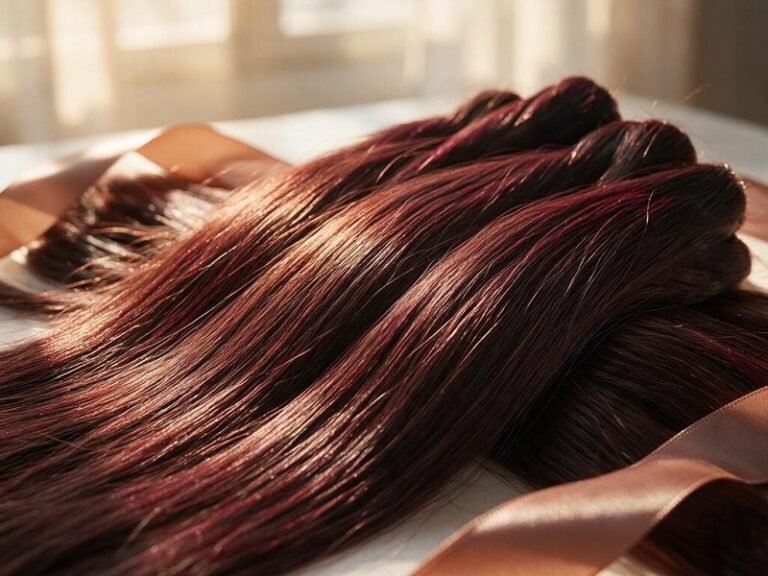
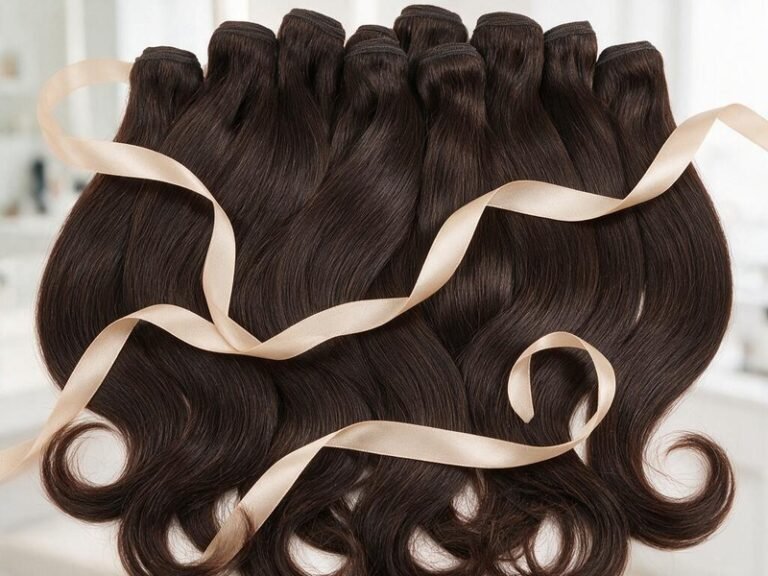
How to Market Tape-In Hair to High-End Clients
To market tape-in hair to high-end clients, sell confidence, craftsmanship, and consistent quality—not discounts. Your ideal client pays for natural movement, a clean installation, and hair you can maintain over 6–10 weeks. The rest is sourcing well, pricing the experience, and caring for her before she sits in your chair.
What do high-end tape-in clients actually care about?
Tape-in hair uses thin adhesive wefts, about 1.5 inches wide, sandwiched around small sections of natural hair. Luxury clients want 100 percent Remy human hair—Remy means cuticles face the same direction—because it sheds and tangles less and styles like their own. A full application usually takes 40 to 60 pieces, or 2 to 3 packs around 50 grams each. They also notice tabs, weight, and placement, so cheap hair or mismatched texture will cost you trust.
How should you price tape-ins for a luxury client?
Use package pricing instead of an à la carte menu that invites haggling over grams. A premium 50-gram pack may cost $80 to $150 wholesale, and salons can charge $600 to $1,200 for hair, install, cut, and style. Charge $150 to $300 for move-ups every 6 to 10 weeks; that is skilled labor, not a free follow-up. If her hair is fine or damaged, recommend fewer pieces and shorter wear instead of overselling. That restraint is what wealthy clients remember.
The consultation is where the premium relationship starts
Before ordering, check her density, hairline, part width, workouts, and styling habits. Explain that root oils weaken tapes, then show how to sleep, wash, and pull hair up without exposing tabs. Match swatches in natural light to her ends, not just her roots. If she wants more length than her hair can support, suggest a safer length or another method. Let serious clients touch and compare tape-in hair samples before they commit.
Market the result without making clients feel exposed
Ask permission before sharing her appointment, and use anonymous video if she prefers privacy. Post bond close-ups in natural light, clean partings after weeks of wear, and movement shots—not only filtered before-and-afters. Short washing and move-up clips prove you know the method and attract clients tired of stylists practicing on them. Keep offers private; a free toner or travel brush feels exclusive, while a public 20 percent coupon cheapens the service. If tapes aren’t right, our guide to virgin hair wefts—unprocessed human hair—helps you position sew-ins as an upgrade.
Retention comes from maintenance and predictable supply
Luxury marketing fails if texture or color shifts between reorders, so choose a supplier who can match hair over time. Stock 18, 20, 22, and 24 inches, but go light on highlights until local demand is clear. Quality tape-ins often last 6 to 12 months with care; cheaper hair may matte or loosen after a few washes. Record grams, color, install date, and next move-up, then text her before tabs lift. When comparing suppliers, our supplier FAQ covers ordering basics, lead times, and quality questions.
FAQ
How many packs do I need for a full head?
Most adults need 2 to 3 packs, or 40 to 60 pieces, for a full application. Fine hair may need 1 to 2 packs, while long or thick hair can need 3 or more. Confirm density during the consultation instead of promising a fixed number online.
How long do tape-in extensions last?
Tabs usually stay in 6 to 10 weeks before they need a move-up. With gentle washing and little root oil, hair can often be reused for 6 to 12 months. Results vary by texture, lifestyle, and home care.
Start small, document the work honestly, and let consultations guide each sale.
When you’re ready, shop all extensions to compare weights and textures before your next luxury appointment.
Send Us Your Hair Inquiry
Need bulk pricing, samples, or a private-label quote? Fill in the form and our team will get back to you within one business day.