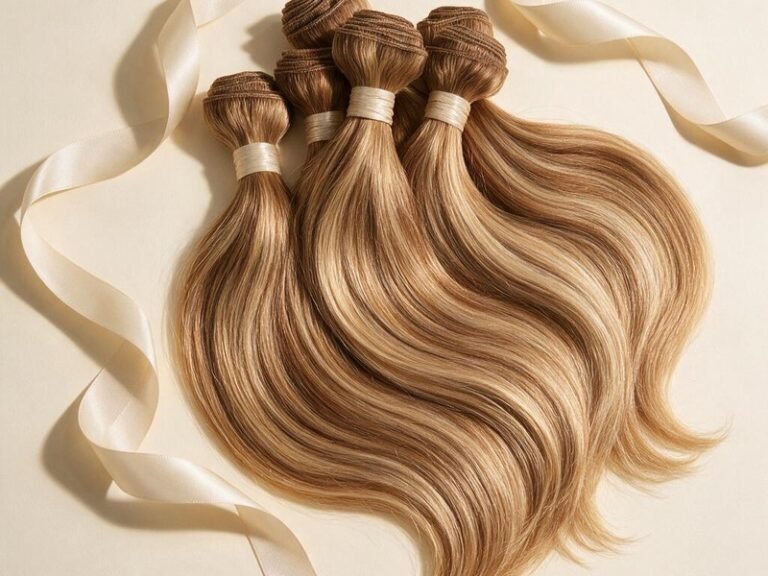
How to Buy Wholesale Raw Indian Hair from China Without Quality Surprises
You can buy solid wholesale raw Indian hair through China-based suppliers, but only if you verify donor processing, bundle weight, texture consistency, cuticle direction, and factory claims before placing a full order. The short version: do not buy from a photo album; buy from a supplier that will show batches, explain processing, and accept a small paid sample order with clear quality standards.
Raw Indian hair usually means unprocessed or minimally processed human hair collected from Indian donors, often sold in natural wave, curly, or coarse textures. In real wholesale buying, “raw” is used loosely, so treat it as a quality claim you need to inspect, not a guarantee on the label.
Is wholesale raw Indian hair from China actually real hair?
Yes, a lot of hair sold by China-based human hair extension suppliers is real Indian-origin or Indian-market hair, even if sorting, sterilizing, wefting, coloring, and packaging happen in China. China has a mature supply chain for washing, disinfecting, sorting, sewing wefts, making closures and frontals, and exporting finished hair goods. Some factories source raw donor hair directly from temples or collectors, while others buy already sorted hair through Indian traders.
The problem starts when buyers assume every bundle called “raw Indian” came straight from a temple donation with no processing. That is rarely how repeatable wholesale works. Hair may be washed, steamed into texture, deloused, fumigated, treated for lice or bacteria, lightly conditioned, or sorted by length and curl pattern. Those steps do not automatically make the hair bad, but they should be disclosed.
A trustworthy supplier will distinguish between several categories. Virgin hair generally means hair that has not been chemically processed, colored, permed, or silicone-treated. Remy hair means the cuticles are mostly kept in the same root-to-tip direction, reducing tangling. Raw hair usually means less steam and chemical processing than standard market hair, with more natural texture variation. Cuticle aligned means the hair cuticles run one direction; that is the claim most connected to less matting and longer wear.
Those terms overlap, and suppliers sometimes use them interchangeably. Your job is not to win a vocabulary argument. Your job is to define the product in the purchase order: 100% human hair, no synthetic mix, no animal hair, cuticle aligned, donor origin, steam use, chemical treatment, bundle weight, length, texture, grade, and accepted tolerances.
What quality checks should you run before a bulk order?
Always start with two to five sample bundles, preferably from the same production run you expect to reorder. One perfect sample can be selected from stock, so the sample is useful only when the supplier agrees that mass production must match it. Ask for videos under daylight, wet hair videos, combing videos, and close-ups of the weft, top track, ends, and curl pattern after washing.
Run practical checks instead of relying on package labels. Burn tests are not enough because processed hair, protein fibers, and some blends can be misleading. Use the checks below, then compare the results with the supplier’s written specification.
- Smell: A mild factory or sterilization smell can fade after washing. Strong perfume, heavy oil, chemical odor, or burnt hair smell can signal rushed processing or掩盖 low-quality stock.
- Shedding: Pull the weft gently and comb from ends upward. A few loose hairs are normal, but continuous shedding means weak stitching, thin wefts, or poorly secured hair.
- Tangling: Wet the hair, lightly shampoo it, and let it air dry. Cuticle-aligned hair should comb through without locking into mats, especially around the nape-length area.
- Texture return: Raw wavy and curly hair should curl back after washing and air drying. If the pattern becomes limp, frizzy, or noticeably straighter, the texture may have been heavily steamed.
- Ends: Check for split ends, short hairs mixed into long bundles, or thin “spaghetti” tips. Full ends cost more because they require longer, healthier donor hair.
- Weight: Weigh bundles on a gram scale. A common bundle is 100 grams or 3.5 ounces, but some suppliers sell 95 grams, 105 grams, or 4 ounces. Confirm exact grams, not just “one bundle.”
- Mix test: Look for unnatural shine, overly uniform fibers, plastic-like flyaways, or hair that melts or balls up under low heat. A fiber test from a reputable lab is worth it for large container orders.
How do Indian raw textures differ after factory sorting?
Authentic raw hair is not perfectly uniform. Donors have different hair density, coarseness, wave pattern, color, exposure to well water, and styling habits. If you expect every 22-inch natural wave bundle to have the same curl as a factory mannequin, you may be happier buying steam-processed hair, but it should not be marketed as untouched raw hair.
Common raw Indian textures include natural straight, natural wave, body wave, deep wave, curly, and coarse curly. In practice, “natural wave” can range from soft S-bends to a tighter, slightly frizzy wave after washing. Indian curly often dries fuller and may need more moisture than straight hair. Closures and frontals, which are lace or silk pieces with ventilated hair used to close a sew-in or protect leave-out, may not match the bundle curl perfectly unless they are custom matched or set together.
Ask how the supplier controls texture batches. Mature suppliers sort hair by curl family, length, color, and feel, then create matched sets. Cheaper offers may combine multiple donor textures in one order, leaving your client with one bundle that dries wavy and another that dries coily. That is one of the most common complaints behind “bad raw hair.”
Color variation is normal too. Raw Indian hair is often dark brown to near-black, not a single jet-black shade. If all bundles look blue-black, glassy, or identical under light, ask whether they have been dyed or coated. For salon clients and braiders, natural color variation can be acceptable if sets are matched; for retail sellers, consistency may matter more than the word “raw.”
Which products should salons, braiders, and resellers order?
The right product depends on your install method and client expectations. An install is the application method used to attach extensions, such as sew-in, tape-in, fusion, wig, quick weave, or braided style. Buying the wrong construction creates waste even if the donor hair itself is good.
Weft hair is hair sewn onto a track for sew-ins, wigs, and quick weaves. Machine wefts are standard for bundles and usually more affordable; hand-tied wefts are thinner and flatter but can be more delicate. Ask about reinforced stitching, return policy on cut wefts, and whether the hair is double drawn or single drawn. Double drawn means shorter hairs are removed so the bundle looks thicker from top to ends, but true double-drawn raw hair costs more.
Bulk hair is loose hair without a weft, used for braiding, knotting, or some custom wig work. Braiders buying bulk should check short-hair ratio, tangle behavior when wet, and whether the hair has been coated to feel soft. A 100-gram bulk bundle can look very different from a 100-gram weft because there is no track holding it together.
Tape-in extensions use thin adhesive tabs and are popular for clients wanting reusable rows. K-tip extensions, also called keratin tips or fusion bonds, use small pre-bonded strands attached with heat. Raw Indian hair can be made into both, but the tipping and taping process matters as much as the hair. Ask about keratin type, tab weight, strand count per pack, shedding at the bond, and whether coloring or steam processing affects adhesion.
Closures usually cover a small section at the top or crown, while frontals run ear to ear across the hairline. If you sell wigs or offer installs, decide closure size, frontal size, lace color, knot work, stretch, and density—the amount of hair in the wig or lace piece, often described as 130%, 150%, 180%, or higher. Density percentages are not standardized across every supplier, so approve a physical sample and define grams per cap instead of trusting the number alone.
What MOQ, pricing, and lead-time terms are realistic?
Wholesale pricing varies a lot by length, donor quality, texture, construction, cuticle retention, packaging, and whether the hair is in stock or custom made. Very short hair may have a lower entry price, while curly and coarse textures can cost more because sorting is labor intensive. Long lengths from 24 inches upward jump in price because healthy donor hair becomes scarce.
MOQ means minimum order quantity. Some suppliers advertise low MOQs such as 10 bundles, 1 kilogram, or one sample set, while larger factories may require 50 to 100 pieces per style or a minimum dollar amount. Low MOQ is useful for testing, but do not expect deep factory pricing on ten bundles. Factory-level pricing usually comes with volume, repeat orders, standardized specs, or private-label packaging.
Stock orders may ship in 2 to 7 business days after quality checks. Custom texture sets, colored hair, custom wigs, tape-ins, k-tips, or private-label packaging can take 2 to 6 weeks depending on the factory and season. Busy periods around major holidays, trade shows, and peak salon seasons can add delay. Build buffer time into your launch; do not promise clients delivery before the goods pass your inspection.
Get the quote in writing. It should list product type, hair origin claim, percentage of human hair, cuticle direction, processing method, length in inches, bundle grams, texture number or sample code, color, weft style, packaging, MOQ, unit price, sample policy, production lead time, shipping terms, payment schedule, and quality dispute process. If a supplier only answers “10A raw hair, top quality,” that is not enough to protect a repeat business.
How can you avoid mixed, coated, or mislabeled hair?
Coated hair feels unusually slippery and shiny when new, then becomes dry or tangled after a few washes. Heavy silicone can temporarily make lower-quality hair feel soft. Wash sample bundles with a gentle sulfate-free shampoo, condition the mid-lengths and ends, and let them air dry before judging softness. Good raw hair should still feel manageable after the coating is removed.
Mixed hair is a bigger risk on unusually cheap offers. Synthetic or animal-hair mixes may show up as unnatural shine, heat resistance, strange melting behavior, inconsistent texture, or excessive tangling. For large recurring orders, consider third-party fiber identification testing and include a “no synthetic or animal hair” clause in your purchase paperwork. Testing costs money, but it is cheaper than building a brand on returns.
Another common issue is cuticle direction. Hair collected carelessly may be placed root-to-tip and tip-to-root, causing cuticles to catch against each other. Acid baths can strip cuticles to reduce tangling, but the hair may become dry and depend on coating. Remy or cuticle-aligned hair should feel smoother when you run fingers from roots to ends and may feel slightly rougher in the opposite direction; that rough check is not definitive, but it helps.
Ask direct sourcing questions: where the hair is collected, whether it comes from single or multiple donors, how cuticles are kept aligned, what washing or sterilization steps are used, whether steam sets the curl, and whether the hair can be colored. A knowledgeable salesperson should answer specifics without becoming defensive. If every question gets the same “100% virgin raw, no tangle, no shed” response, keep looking.
What should your first raw hair purchase order include?
Your first commercial order should be small enough to test but structured like a long-term program. Start with one supplier, two to three textures, and a limited length range such as 16, 18, and 20 inches or 18, 20, and 22 inches. That lets you check matching, weft quality, end fullness, and customer feedback without tying up cash in dozens of SKUs.
Approve a sealed sample before production. Label it with the supplier name, texture code, length, grams, date, and batch number. When bulk goods arrive, compare them side by side with the approved sample in daylight. Keep your own record photos and videos, especially if you later need to discuss a quality issue.
Set tolerances in advance. A bundle marked 100 grams should weigh close to 100 grams after accounting for packaging; decide whether plus or minus 1 to 2 grams is acceptable. Length should be measured straight on the weft for wavy and curly hair, not pulled according to visual shrinkage only. Natural hair will have some shorter strands, but excessive short hair changes the look and value.
Do not forget aftercare. Raw hair is not maintenance-free. Advise clients to detangle gently with a wide-tooth comb or flexible brush, wash in lukewarm water, use moisturizing conditioner, avoid harsh alcohol products, air dry when possible, and protect hair at night. Curly textures need more moisture and should not be brushed dry unless the style calls for expansion. Good aftercare reduces chargebacks and helps you tell the difference between hair failure and rough handling.
FAQ
Is raw Indian hair better than Remy Indian hair?
Raw Indian hair can be better for buyers who want less processing and more natural texture, but it is not automatically more consistent. Remy Indian hair can be an excellent choice if it is genuinely cuticle aligned and processed responsibly, especially for clients who want predictable wave patterns or colored shades.
How many grams do I need for a full sew-in?
Many clients need about 200 to 300 grams for a full sew-in, depending on length, desired fullness, head size, and whether a closure or frontal is used. Longer styles over 22 inches or very full looks often need three to four bundles, while shorter bob styles may need two to three bundles plus a closure.
If you are ready to test wholesale raw Indian hair, send us your target texture, lengths, grams, and order quantity so we can recommend a practical sample first. We would rather help you approve the right batch than have you reorder blindly and learn the hard way.
If you want the full background before you order, our guide on # === 20261113-234453 auto_refill keyword-expansion === walks through it in plain terms.
Send Us Your Hair Inquiry
Need bulk pricing, samples, or a private-label quote? Fill in the form and our team will get back to you within one business day.