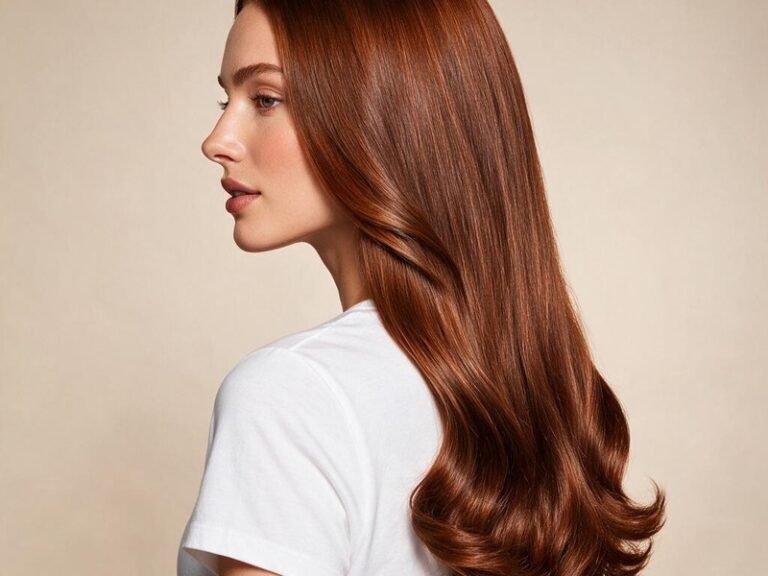
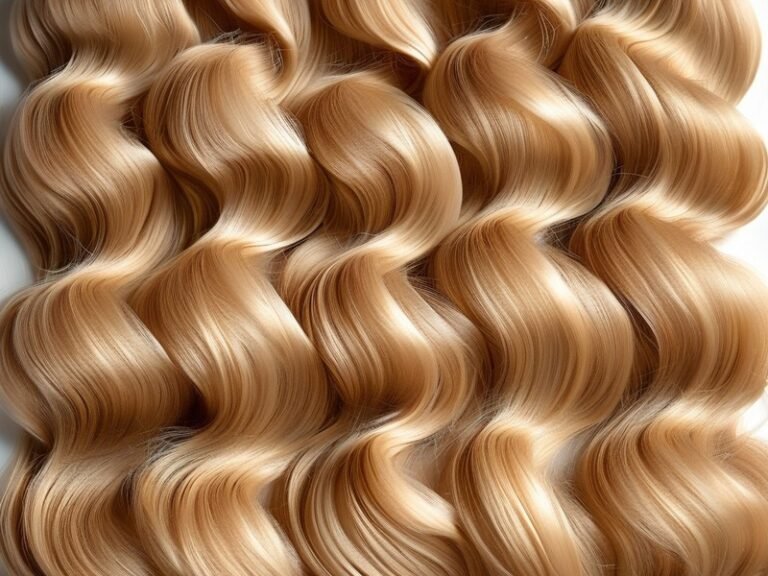
Frontal Wigs Human Hair: Vendor Selection Checklist for Buyers
Choosing frontal wigs human hair vendors comes down to verified hair quality, lace construction, realistic MOQs, and clear defect policies. A frontal is an ear-to-ear lace piece at the front, so lace and knot work determine how natural the unit looks. Use this checklist before ordering in bulk.
What hair quality and grade claims should you actually verify?
Grade labels like 10A aren’t regulated, so ignore them as proof. Ask if it is virgin (unprocessed), Remy (cuticles one direction), or cuticle aligned, meaning the outer layer runs one way to limit tangling. Using those terms interchangeably is a red flag. Wash a sample twice, comb it wet, and check tangling and frontal shedding. If you sell installs, this human hair extensions vendor checklist helps compare loose hair too.
Can the vendor prove lace, bleaching, and cap construction?
Frontal wigs usually use 13×4 or 13×6 lace; density is hair packed in the cap, often 150%, 180%, or 200%. Ask about bleached knots, Swiss or HD lace, straps, combs, an elastic band, and stretch panels. Request a phone video in natural light; stock photos hide thick lace and weak knots. When you shop all hair extensions, confirm the spec sheet matches the listing. A 150% unit costs less, but 180% is the common sweet spot; 200% can feel bulky short.
What MOQ and pricing make sense for frontal wigs human hair?
Don’t check only unit price; shipping, upgrades, packaging, and fees change landed cost. A fair vendor may sell one sample near retail and deduct part of it from a 10–30 piece order; demanding 500 units upfront is a bad sign. A basic 10–14 inch 13×4 unit often wholesales for $45–$90; 13×6 HD, 200% density, or 24+ inches can hit $120–$220. Much lower quotes usually mean mixed hair, thin tracks, or lace that won’t bleach. Our guide on how to avoid overpaying helps compare full quotes.
How will defects, lead times, and custom orders be handled?
Stock may ship in 3–7 days; custom density, curls, logos, or labels often need 15–30 days. Get defect terms in writing; 1–2% can be normal, but torn lace, wrong lengths, or heavy shedding should earn credit. Lace shedding differs from loose tracks in the machine-sewn weft hair at the back, so send photos quickly. A published FAQ should state return windows, custom changes, and return shipping; if not, email for answers. “Zero defects” sounds nice, but handmade units aren’t perfect and no-remedy sellers are risky.
Should you start with a trial order or private label?
After a good sample, run a 5–15 piece trial before private labeling. It shows whether weight, curl pattern, lace color, and packaging stay consistent beyond one perfect unit. Private label often starts at 50–100 pieces, plus box and tag costs, so separate those from hair cost. Use stock caps first, then custom packaging once reorder times and density sales are proven. A vendor pushing full branding immediately usually wants a bigger deposit, not healthier cash flow.
How can I tell if a frontal wig is good quality?
Check cuticle direction, shedding after two washes, intact knots, flat-lying soft lace, and secure fit for a 21.5–22.5 inch head. A few loose hairs are normal, but wet tangling, plastic shine, or scratchy lace means move on. Always verify this on a sample before buying multiple units.
What is the best MOQ for a first wholesale order?
Most new buyers should start with one sample then 5–15 stock units instead of a 50–100 piece private-label run. Keep looking if standard textures require very high MOQs unless you have confirmed pre-orders. Cash flow matters as much as unit cost.
Send the same checklist questions to two or three vendors so answers are easy to compare. Browse our current stock and request one sample in the length your clients request most.
Send Us Your Hair Inquiry
Need bulk pricing, samples, or a private-label quote? Fill in the form and our team will get back to you within one business day.