Clip in Hair Extensions Real Human Hair Blonde: Sourcing Tips for Vendors and Salons
For clip in hair extensions real human hair blonde, source quality human hair in rooted, multi-tonal shades, and test samples before ordering. The biggest risk is not the clip—it’s overprocessed hair that tangles, sheds, or turns brassy after one wash. Below is what we actually check in the warehouse when buyers order blonde clip-ins.
What should blonde clip-in hair actually be made of?
Blonde is not a low-risk color. Most light blonde hair has been bleached or toned, even when labeled human hair. Ask for Remy hair—strands collected with cuticles facing the same direction, so they tangle less. Cuticle aligned means the same in practice; if a factory can’t explain it, yellow flag. True virgin blonde—hair never chemically treated—is rare and pricier.
How do you keep blonde shades from looking fake?
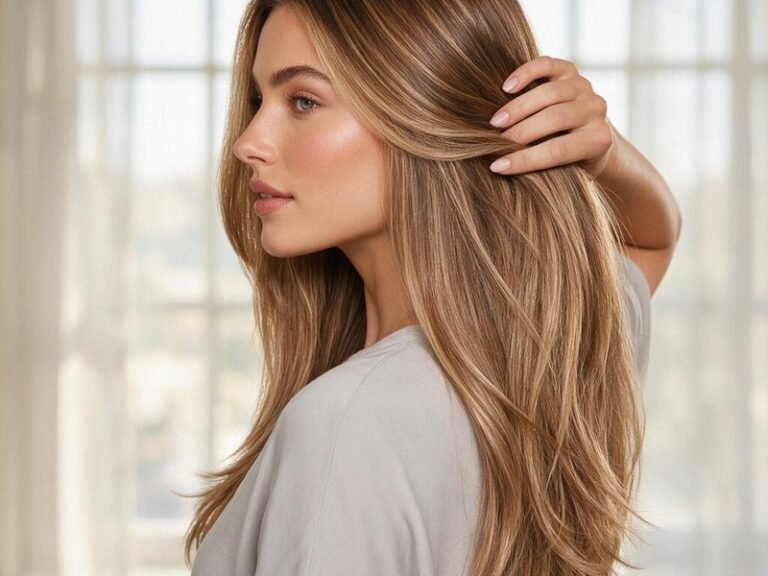
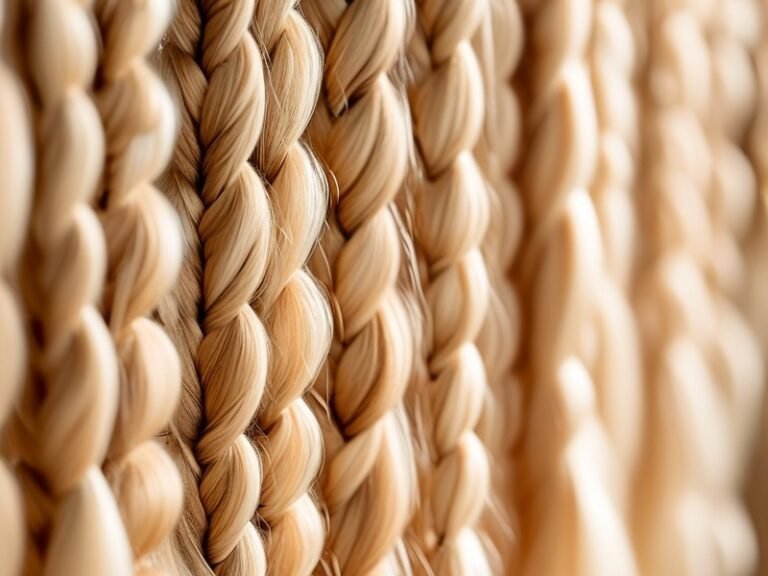
Single-process #613, a very light platinum blonde, can look costumey unless the client wants that finish. Most clients judge color in natural light, so offer rooted, ash, golden, honey, and strawberry blondes with lowlights. 10–14 pieces at 120–160 grams gives enough coverage without heavy clips. Have your supplier send color rings or sample wefts—sewn tracks—first; photos won’t match daylight. If you offer sew-ins, our weft sourcing guide compares blonde shades across installation types.
What weight and length do salons usually stock?
- 14–16 inches is your everyday volume range and usually fits clients adding fullness more than length.
- 18–22 inches sells well, but expect more breakage claims if the hair is thin at the ends.
- 120 grams works for fine hair or highlight pieces; 160–220 grams is safer for a full installation on thicker hair.
- Stock darker-rooted blondes first because they blend with more natural colors and hide regrowth.
- Keep bright #613 as a special order rather than tying cash into inventory that may turn brassy.
Cheap blonde hair: where the savings show up later
A cheap blonde clip-in set can look perfect in the bag and mat after one wash. Bleaching removes protein, so lower-grade hair may feel dry, lose curl, or shed at the weft. You may save $15–$30 per set, but one bad salon review costs far more. Silicone coatings feel soft at first, then fade after shampooing. If a price seems too low, ask for grade, donor source, processing, and return policy in writing.
How should vendors test a new clip-in supplier?
Order exact blonde shade samples, not one dark control piece. Wash them three times, air-dry, brush from the ends up, and check clips, stitching, shedding, and tone. Test one set in daylight and indoor light; blonde shifts. Ask about MOQ, or minimum order quantity—often 50–100 pieces for custom branding—and stock lead times, usually 7–15 business days. When you’re ready, you can shop all hair extensions and see how clip-ins compare with tape in hair.
Is blonde real human hair harder to source than dark hair?
Yes, because most hair donors have dark hair and light shades require controlled bleaching and toning. That makes blonde more expensive and more sensitive to poor processing. Work with a supplier who acknowledges that instead of promising flawless virgin platinum at dark-hair prices.
Can clients dye blonde clip-ins?
Usually they can go darker or add lowlights, but lifting already blonde hair is risky and can cause dryness or breakage. Tell clients to do a strand test and use a professional colorist rather than box dye at home. Remind them that custom coloring may void your return policy.
If you’re comparing specs or shipping terms, our FAQ page covers minimums, production times, and sample orders. Start with three blonde shades, test them on real clients, then scale the winners.
Send Us Your Hair Inquiry
Need bulk pricing, samples, or a private-label quote? Fill in the form and our team will get back to you within one business day.