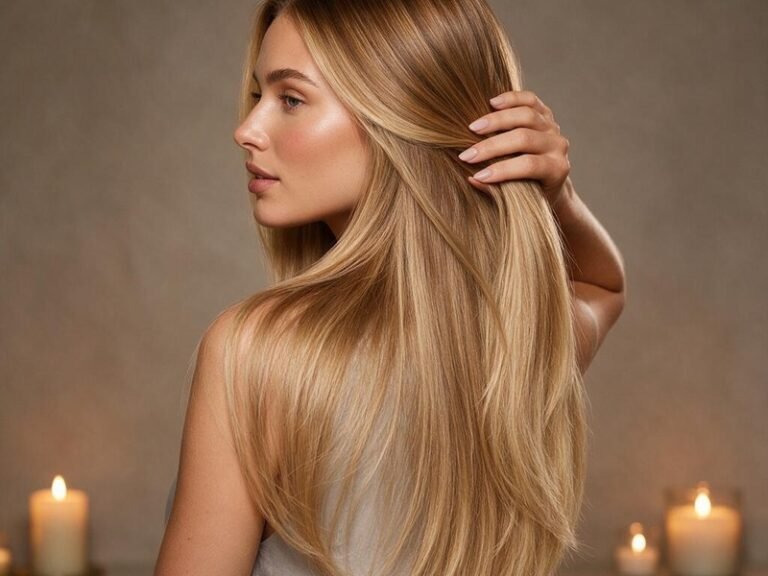
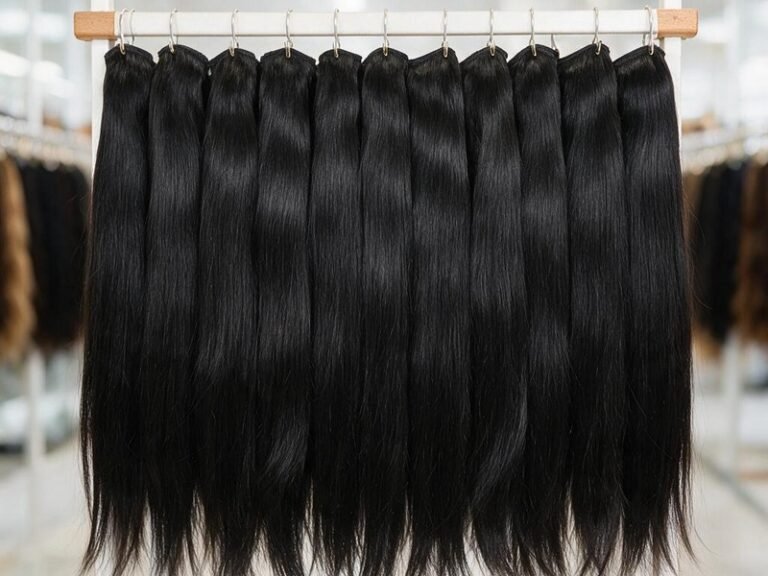
Brown Human Braiding Hair: A Complete Buyer’s Guide
Brown human braiding hair gives braiders and resellers a more natural finish than synthetic fiber because it can usually be washed, heat-styled, and color-matched like real hair. The short version for buyers: choose human bulk hair with the right brown level, texture, cuticle quality, and bundle weight before comparing price per pack.
“Bulk hair” means loose human hair without a weft, made for braiding, twists, and loc repairs rather than sew-in extensions. This guide covers what actually matters when buying wholesale brown braiding hair: color, texture, quality, quantities, lead times, and the honest trade-offs your salon or brand should plan for.
What Is Brown Human Braiding Hair, and How Is It Different?
Brown human braiding hair is loose human hair sold in bulk, usually in bundles of 50 grams or 100 grams, with no attached track. Braiders use it for knotless braids, box braids, boho styles, twists, feed-in braids, ponytail work, and loc extensions. Because there is no weft—the stitched or glued track used for sew-in bundles—stylists can pull smaller amounts directly from the bundle.
It differs from synthetic braiding hair in behavior and maintenance. Human hair is lighter in motion, has a more natural taper, and can be shampooed with the braids, but it can also frizz, tangle, or dry out if the cuticles are poor. Synthetic hair often holds a slippery manufactured curl and costs less, but it cannot be safely heat-restyled and may look shinier than the client’s own hair.
Within human hair, buyers will see several labels. Virgin hair means hair that has not been permmed, dyed, bleached, or otherwise chemically processed. Remy means the hair strands are kept with cuticles facing the same direction, which reduces tangling. Raw hair usually refers to minimally processed donor hair, while cuticle aligned means the outer cuticle layer runs consistently from root to tip. These terms are useful, but they are not always enforced, so inspect samples instead of trusting a label alone.
Which Brown Shade Should You Stock?
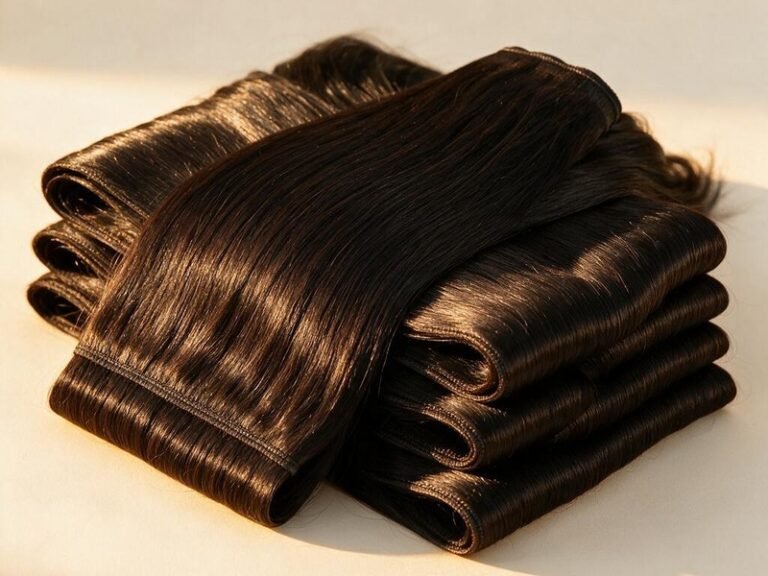
Brown is not one color. For B2B buying, use the professional level system where possible: level 1 is black, level 10 is palest blonde, and the brown family generally falls around levels 3 through 7. A level 3 dark brown is close to off-black, level 4 is classic dark brown, level 5 is light brown or medium brown, level 6 is a warmer light brown, and level 7 tends toward dark blonde.
The safest starter inventory is not one universal brown. Most brands do well with four to six core shades: natural dark brown, chocolate brown, medium brown, warm chestnut, auburn brown, and highlighted brown with lighter ends. If your market mainly serves clients who wear natural black or dark brown hair, level 3 and level 4 will move fastest. If your clients regularly balayage their leave-out, level 6 or a brown-and-honey blend may be more useful.
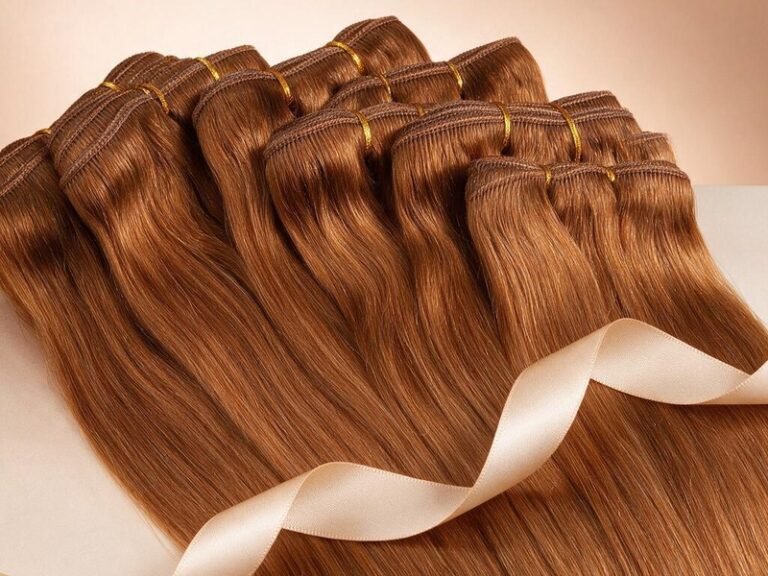
Undertone matters as much as depth. Cool brown has ash or muted cocoa tones; neutral brown is balanced without strong red or gold; warm brown has chestnut, caramel, amber, or auburn reflect. Ask the factory for shade rings or color photos taken in daylight and indoor lighting. Monitor photos can make dark brown look black and warm auburn look red, so written color codes are safer than relying on names like “chocolate” or “honey.”
For highlighted or ombre braiding hair, decide whether the contrast should be soft or bold. A T4/27 style, meaning dark brown roots blended with honey-blonde lengths, is common for boho braids, but blends vary by factory. If exact shade matching matters for your brand, approve a physical sample before placing a full wholesale order.
What Texture and Length Work Best for Braids?
The best texture depends on the finished style and the client’s leave-out. Straight bulk hair gives sleek knotless braids and a clean drape. Body wave or loose wave adds a softer boho finish. Kinky straight, coarse yaki, light yaki, and curly textures blend better with relaxed, natural, textured, or transitioning hair. The term install refers to the full application method, such as braiding or attaching the hair, and texture choice affects both installation speed and daily upkeep.
Length is measured while the hair is pulled straight unless the supplier specifically states otherwise. Common braiding lengths run 14 inches to 30 inches. Short lengths around 14–18 inches are practical for bob braids and shoulder-length looks; 20–24 inches is the everyday salon range; 26–30 inches creates more drama but adds weight, cost, and longer styling time. Curly hair will appear shorter in its natural spring state, so confirm stretched length before ordering.
Weight matters because clients feel braiding hair all day. A full head may use roughly 150–300 grams of human bulk hair depending on braid size, desired fullness, head size, and whether the style includes curly ends. Small, numerous braids usually require more hair because more strands are fed through more braids. Jumbo braids may be quicker but can feel heavier and put more tension on the scalp, especially beyond 24 inches.
For wholesale, do not assume every “100-gram bundle” has the same usable amount. Factory differences in end fullness, short-hair ratio, and taper can make two bundles look very different. A bundle with lots of short pieces may feel thick near the top but thin out quickly, leaving braid ends sparse. Ask for gram weight, length, hair-to-short-hair ratio if available, and sample photos of the complete bundle fanned out.
How Do You Judge Quality Before Placing a Bulk Order?
Quality control is where many private-label orders go wrong. Start with a paid sample order in the exact shade, length, and texture you plan to stock. Run your fingers from root to tip and then tip to root. Cuticle-aligned hair should feel smoother going downward; rough friction in both directions can mean cuticles are mixed or stripped.
Wash the sample gently and let it air dry. Good human bulk hair may soften after washing, but it should not mat into clumps, shed excessive loose fibers, or release strong chemical odor. A slight steam or processing smell can happen with colored hair, but a persistent sour or harsh smell is a warning sign. Test heat on a small section at a moderate setting, because brown-dyed hair may be drier than unprocessed black hair.
Check the color through the whole bundle, not just the top layer. Some bulk hair looks consistent at the band but becomes lighter, redder, or more uneven toward the ends. Also inspect for flyaways, split ends, overly sharp synthetic-looking tips, filler hair, and strange gray or blonde strands mixed into a brown order. If you plan to resell under your own brand, packaging consistency matters as much as the hair itself.
- Cuticle direction: Remy or cuticle-aligned hair usually tangles less, but verify by washing and braiding a test section.
- Processing level: Light brown and highlighted shades are more processed than natural dark brown and may need more conditioning.
- Texture match: Compare the sample to the client’s leave-out in natural light, not only under salon bulbs.
- End fullness: Thick tops and thin ends cause scrawny braids and more complaints.
- True weight: Confirm whether listed grams refer to hair only or include bands, tags, and packaging.
- Batch consistency: Ask how the factory controls shade from one production run to the next.
- Return policy: Wholesale hair is often final sale once opened, so approve samples before committing.
Remy, Virgin, Raw, or Non-Remy: Which Trade-Off Fits Your Buyers?
For a premium braiding service, Remy cuticle-aligned bulk hair is usually the safer default because the strands run in one direction and resist tangling during long-term wear. That does not mean every Remy label is honest, and it does not mean the hair is unprocessed. Brown shades are often dyed to reach level 5, level 6, auburn, or highlighted colors, so they may be Remy but not virgin.
Virgin brown hair exists, but the supply is more limited in uniform lighter shades. Natural donor brown hair can vary, and matching hundreds of grams in one exact tone is harder than matching natural black. If a supplier offers large quantities of cheap “virgin light brown” hair with perfect uniform color, ask more questions. It may simply be processed hair sold with a stronger label.
Raw hair can be excellent for softness and longevity, but it is usually higher priced and less uniform. That variability can work for luxury custom services, but it is harder for a reseller that needs repeat orders to look identical. Non-Remy hair is budget-friendly because cuticles may be mixed or stripped, often treated with silicone to feel smooth initially. After a few washes, the coating can diminish and tangling may increase.
The realistic buying decision is margin versus complaint risk. A salon serving clients who keep knotless braids for six to eight weeks may be better off paying more for aligned hair. A beauty supply shop selling lower-priced one-time styling hair may choose processed non-Remy, but the packaging and product description should be honest. Mislabeling processed hair as virgin or raw creates chargebacks, bad reviews, and lost stylist accounts.
How Much Brown Human Braiding Hair Do Clients Need?
There is no single gram count for every client, but clear guidance helps prevent underordering. For medium-size knotless braids around mid-back length, many stylists plan for about 200–250 grams of human bulk hair. Waist-length styles, micro braids, or extra-full looks may need 300 grams or more. Shoulder-length or jumbo styles can sometimes use 150–200 grams, depending on desired thickness.
Boho styles need separate calculations if only a few braids get curly ends. A stylist might use straight bulk hair for most of the head and add one or two 50-gram bundles of curly bulk hair for accents. Selling 50-gram accent bundles can be a smart wholesale option because clients do not always need a full 100-gram curly bundle. Resellers should list both total grams and recommended style use, not just “one pack” or “two packs.”
Head size and leave-out also change consumption. Clients with larger heads, thinner natural hair, or very small braids may need more hair for coverage. Clients who want a less bulky finish or who leave out more of their own texture may need less. Train your customers to buy a backup bundle in the same batch because later orders may not match perfectly, especially in highlighted brown shades.
For wholesale planning, stock the fastest lengths together rather than ordering every length evenly. Many buyers begin with 18, 20, 22, and 24 inches in dark brown and medium brown, then add 26–30 inch lengths after testing demand. Pre-braided sample boards can help salon owners sell upgrades because clients can see the difference between 50 grams, 100 grams, straight ends, and curly ends.
What MOQs, Lead Times, and Wholesale Terms Should You Expect?
Wholesale MOQ means minimum order quantity, the smallest number of pieces or grams a factory or supplier will accept. Stock shades may have low MOQs, sometimes around 10–50 pieces depending on the supplier, while custom colors, private labels, or special textures may require 50–100 pieces or more. These numbers vary widely, so get the MOQ per shade, length, and texture rather than one total-order number.
Ready brown shades may ship within a few business days if the supplier keeps US or local warehouse stock. Factory production for custom dyed brown, highlighted blends, private-label packaging, or special curly textures often takes longer, commonly two to six weeks, with extra time for shipping and customs around peak season. Chinese New Year, holiday shipping delays, and major salon seasons can shift timing, so place orders before spring break, wedding season, and back-to-school demand.
Price should be compared by gram and quality, not only by pack. A cheaper 50-gram pack is not a bargain next to a fuller 100-gram bundle with better cuticles. Ask whether pricing includes hair only, packaging, labels, customs fees, shipping, or replacement for defective bundles. If you are building a brand, confirm whether the supplier can provide consistent bundle bands, hangtags, satin bags, and waterproof outer packaging.
Before paying, request batch photos or a pre-shipment video. Ask the supplier to show the shade in daylight, the bundle weight on a scale, the lengths, the weftless bulk band area, and the ends. For larger orders, agree in writing on acceptable variation, defective replacement policy, and who pays shipping for issues. Human hair is a natural product, so perfect uniformity is unrealistic, but major color differences, matting, odor, and weight shortages are legitimate quality problems.
How Should Clients Care for Brown Human Hair Braids?
Human braiding hair lasts longer when clients treat it like their own hair, especially in processed brown shades. They should shampoo the scalp and braids gently with a moisturizing or sulfate-free cleanser, rinse thoroughly, and avoid piling the braids up while washing. Heavy conditioner directly at the braid roots can cause buildup or looseness, but lightweight conditioner or diluted leave-in spray through the lengths helps prevent dryness.
Drying matters. Braids that stay wet near the base for too long can develop odor or mildew, so clients should squeeze out excess water with a microfiber towel and dry under a hooded dryer or cool-medium airflow if needed. Sleeping with a satin scarf or bonnet reduces friction at the hairline. A silk pillowcase helps, but it does not replace protecting loose ends from rubbing against car seats, jackets, and rough cotton tops.
Heat can be used on human hair, but brown and highlighted hair is more vulnerable to dryness than natural black hair. Recommend lower heat settings, heat protectant, and avoiding repeated curling on the same ends. Curly bulk hair needs more moisture and water-based refreshing to keep the pattern from becoming frizzy. Clients should also avoid heavy gels that cake inside the braids and make washing difficult.
Set realistic expectations with your customers. Even good human hair can frizz around the roots because the client’s own new growth grows out. Knotless braids and twists are usually worn for weeks, not months on end without maintenance. Stylists should advise clients on take-down timing and remind them not to cut their own braids too close to the ends where the added human hair is secured.
Common Buying Mistakes That Hurt Salons and Resellers
The most common mistake is ordering by color name instead of color level. “Chocolate” from one factory can be a cool level 4, while another factory uses the same name for a warm reddish brown. Build a shade code system and keep sample hair labeled with supplier, batch, texture, length, and date. That simple record saves time when a client needs extra bundles months later.
The second mistake is chasing the lowest factory quote. Hair that feels silky in a sealed sample may be coated non-Remy hair that tangles after shampooing. Test the exact product before launching it to braiders or online customers. A small sample budget is much cheaper than a 200-piece order with returns, negative reviews, and salon clients asking for redo appointments.
Third, many new buyers overstock highlighted colors and extra-long lengths before proving demand. Light brown, auburn, and piano highlights are beautiful, but they sell more slowly in some markets than natural dark brown. Start with a tight core line, collect stylist feedback, and add seasonal shades once you know turnover. Track which grams and lengths customers reorder instead of guessing from social media trends.
Finally, do not confuse products made for different attachment methods. Tape-in hair comes on adhesive wefts, k-tip hair has keratin bonds for fusion, and a closure or frontal is a lace piece used to close a sewn-in or wig style. Those products are not substitutes for loose bulk braiding hair. If your customer needs braiding hair, order bulk; if they need sew-ins or wig components, order wefts or lace pieces separately.
Frequently Asked Questions
Is brown human braiding hair better than synthetic?
For natural movement, heat styling, and longer-wearing boho or knotless styles, human hair usually looks and behaves more naturally. It also costs more and can frizz or dry out if the quality is weak, so synthetic may still make sense for short-term budget styles.
How many bundles of brown human braiding hair do I need to buy?
Many full-head styles need about 150–300 grams depending on length, braid size, and fullness. A safe starting point for medium mid-back braids is 200–250 grams, but buy an extra matching bundle for longer or micro braid styles.
Can brown human bulk hair be dyed again?
Some human bulk hair can be colored, but brown hair may already be processed, especially lighter and highlighted shades. Test a small section first, lift cautiously, and understand that dyeing can change texture, increase dryness, and void the supplier’s wholesale policy.
What brown shade sells best for braiding?
Dark brown and medium brown usually have broader everyday demand because they blend with natural off-black, relaxed, and color-treated hair. Warm chestnut, auburn, and honey-highlighted browns are strong add-on shades, but test them locally before ordering large custom batches.
Send us your target shade, texture, length range, and order quantity, and we can help you compare realistic bulk-hair options for your salon or brand. Sample testing first is the best way to protect your margins and keep braiders confident in the hair they install.
If you want the full background before you order, our guide on Sourcing Brown Human Braiding Hair: A Practical Guide for Hair Businesses walks through it in plain terms.
Send Us Your Hair Inquiry
Need bulk pricing, samples, or a private-label quote? Fill in the form and our team will get back to you within one business day.