Private Label Raw Hair Vendor: What New Brands Should Know
A private label raw hair vendor sells unprocessed human hair that your brand resells under your own labels and packaging. New brands should prioritize consistent quality, realistic minimum order quantities (MOQs), and honest lead times over the cheapest bundle. Here’s where most first orders go wrong.
What actually counts as raw hair?
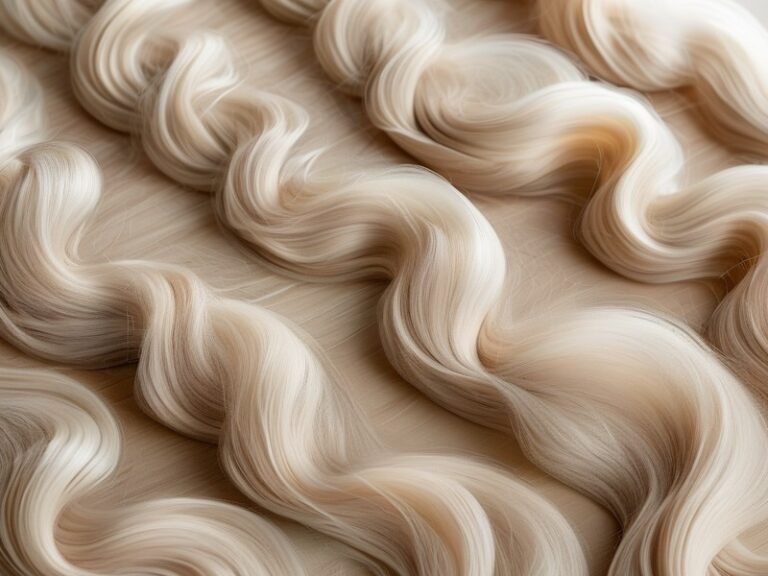
Raw hair is human hair that hasn’t been steamed, permed, dyed, or silicone-coated. Cuticle aligned means all strands run the same direction, so it tangles less and can last over a year with proper care. Virgin hair usually means one-donor hair with no chemical processing, though it may still be steamed for texture. Raw hair brings fewer complaints but costs more, and batches can vary slightly in pattern. We compare the tiers in this raw hair extensions article.
What MOQ should a new private label brand expect?
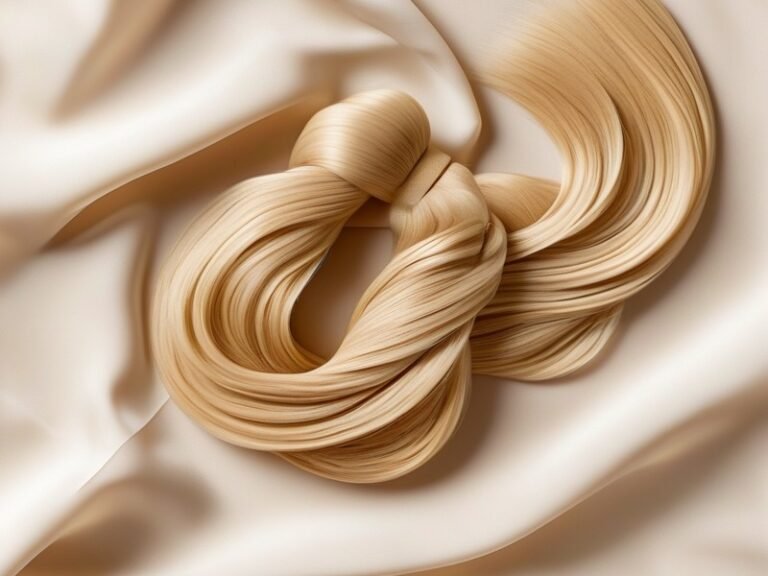
Most vendors don’t require thousands of bundles; a realistic first order is 50–100 pieces per texture or length, often starting with weft hair for sew-ins. A bundle weighs 95–100 grams across 10–30 inches, so longer hair looks thinner—that’s normal. Custom hangtags or satin bags carry their own MOQ, usually 100–500 units, so start with printed labels if cash is tight. Stock hair ships in 7–15 business days; custom packaging takes 25–40. Anyone promising every length and custom boxes in five days is reselling stock, not producing your order.
Test these samples before a full order
Before ordering, test samples like a customer would:
- One 12-inch and one 24-inch bundle to compare thickness.
- A closure or frontal (lace pieces that cover the leave-out); check knots, lace, and shedding.
- Bulk hair for braiding, tested dry and wet, if braids fit your line.
- Wash twice, air dry, and check the true wave pattern.
- Flat-iron one section; raw hair bounces back after washing.
- Check the weft for short hairs and smell wet hair for chemicals.
- Photograph samples in the same light for later batch checks.
Is that vendor a factory or just a trader?
Plenty of sites say factory direct but are really traders buying from several workshops—not always bad, but know who you’re paying. Ask for recent warehouse videos, exact weights, and current stock photos instead of polished catalog shots. A reliable vendor answers awkward questions about steam processing, donor origin, and returns in writing. Their FAQ page should match what the rep tells you. If every answer is “best quality, my friend,” move on.
The private label costs buyers forget
Bundle price isn’t your total cost, and new brands keep learning this the hard way. Labels, hangtags, satin bags, and boxes each carry setup fees or 100–500-unit MOQs. Samples, freight, payment fees, and replacements can add 15–25% on top of product cost. Launch with two textures in three top lengths, not eight textures across ten. You can expand later; sitting on $4,000 of 30-inch loose wave is hard to fix.
Quick answers
Is raw hair worth the higher cost for a new brand?
Usually, yes, if your customers pay for hair that lasts. Raw hair means fewer tangling complaints when reviews matter most. If you mainly sell low-priced event styles, a processed line can work—just label it honestly.
Do I really need to order samples first?
Always. Samples cost $20–$60 per bundle plus shipping, much cheaper than a $2,000 shedding reorder. Test two vendors and keep samples to compare future batches against the hair you approved.
When you’re ready, browse the available textures and lengths and pick a few that fit your brand. Then reach out with your launch date, and we’ll tell you honestly whether the MOQ and timeline make sense.
Send Us Your Hair Inquiry
Need bulk pricing, samples, or a private-label quote? Fill in the form and our team will get back to you within one business day.